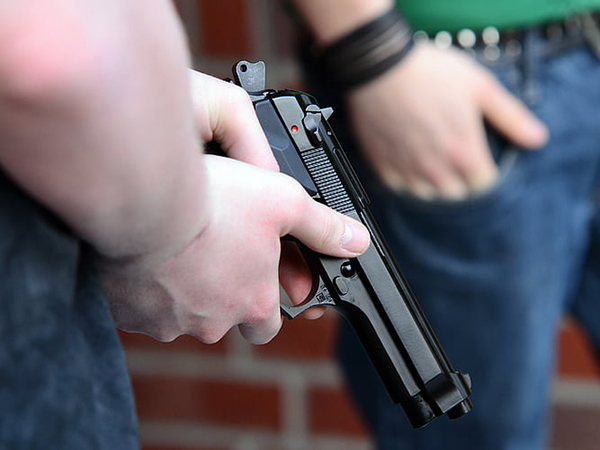
On-Body vs. Off-Body Carry: Key Safety Considerations for Gun Owners
- By the dedicated team of editors and writers at Newsletter Station.
For responsible firearm owners, deciding how to carry a firearm is a serious decision that involves more than convenience or personal preference. The carry method can affect security, accessibility, comfort, and the risk of unauthorized access.
Whether someone chooses on-body or off-body carry, safe storage, consistent training, awareness of surroundings, and compliance with applicable laws should remain priorities. There is no single carry method that is appropriate for every person or situation.
On-Body Carry
On-body carry means carrying a firearm directly on your person, typically using a properly designed holster attached to clothing or a belt.
Potential considerations include:
Accessibility
Keeping a firearm on your body means it remains with you rather than being placed in a separate bag or accessory. However, accessibility also creates an important safety responsibility: the firearm must remain secured and inaccessible to unauthorized people.
Security
Because the firearm stays with you, on-body carry can reduce some risks associated with leaving it unattended in a bag, vehicle, or other location. A secure, appropriate holster can help keep the firearm in place during normal movement.
Concealment
Some people choose concealed on-body carry. Clothing, body type, climate, and daily activities can all affect whether a particular approach is practical.
Concealment should never come at the expense of safe firearm handling or secure retention.
Consistency
Using the same safe carry setup consistently can make it easier to establish predictable habits. Any training should emphasize safe handling, secure storage, and compliance with applicable laws rather than simply focusing on speed.
Potential Drawbacks
On-body carry isn't comfortable or practical for everyone. It may require adjustments to clothing and daily routines, and some people may experience discomfort depending on their physical condition, activities, or the equipment being used.
Off-Body Carry
Off-body carry means transporting a firearm in a bag, purse, backpack, or another dedicated carrying container rather than directly on your body.
While this approach may be convenient in some circumstances, it creates additional responsibilities.
Comfort and Convenience
Some people may find carrying a firearm in a dedicated bag more comfortable than carrying it on their body. It can also accommodate clothing or situations where on-body carry isn't practical.
However, convenience should never override security.
Increased Security Concerns
A bag or purse can be misplaced, forgotten, stolen, or accessed by another person. For that reason, anyone using an off-body method needs to maintain control of the bag at all times and take appropriate precautions to prevent unauthorized access.
A firearm should never be left unattended in an unsecured bag.
Accessibility Considerations
An off-body firearm may not be immediately available if the bag isn't within your control. This is one reason that anyone considering this method should carefully evaluate whether it is appropriate for their circumstances.
Important Safety Considerations for Either Method
Regardless of how a firearm is carried, several basic principles should always apply.
Keep the Firearm Secure
A firearm should remain under the owner's control and away from children, unauthorized individuals, and anyone who should not have access to it.
When the firearm isn't being carried, use secure storage appropriate to your circumstances and follow applicable laws.
Understand Local Laws
Firearm and concealed-carry laws can vary significantly by state and locality and can change over time. Requirements may address permits, prohibited locations, transportation, storage, vehicle carry, and other circumstances.
Before carrying a firearm, consult current official government resources or qualified legal counsel to understand the laws that apply to your specific situation.
Consider Your Environment
Your daily activities can affect whether a particular carry method is practical. Workplaces, schools, government buildings, private businesses, sporting venues, and other locations may have restrictions on firearms.
Always determine whether firearms are permitted before entering a location.
Practice Safe Handling
Safe firearm handling should be based on established safety principles and manufacturer guidance. Avoid unnecessary handling, keep the firearm pointed in a safe direction when handling it, and keep your finger away from the trigger until you have decided to fire.
Professional, safety-focused firearms instruction can help owners develop responsible habits appropriate to their circumstances.
Plan for Secure Storage
Carry is only one part of responsible firearm ownership. When a firearm isn't under your direct control, secure storage becomes particularly important.
This is especially relevant in homes or vehicles where children, visitors, or other unauthorized individuals may be present.
On-Body vs. Off-Body: Which Is Better?
There isn't a universal answer. On-body and off-body carry each present different considerations. Still, the most important question is whether the method allows you to maintain secure control of the firearm and comply with the law.
For some people, on-body carry may provide greater control over the firearm. Others may have circumstances where off-body transportation is more practical. In either case, security and responsible handling should take precedence over convenience.
If you are considering carrying a firearm, a qualified firearms-safety instructor can help you understand safe handling, storage, and legal considerations without encouraging unnecessary risk.
Responsible Carry Starts With Safety
Choosing how to carry a firearm is ultimately a personal decision, but it comes with significant responsibility. The right approach should account for your circumstances, applicable laws, ability to maintain secure control, and commitment to safe firearm handling.
Whether carried on the body or transported in a secure container, firearms should never be left accessible to unauthorized people. Regular safety education, secure storage, situational awareness, and staying informed about current laws are all important parts of responsible firearm ownership.