How to Help Storm-Damaged Trees: A Guide to Restoration and Recovery
- By the dedicated team of editors and writers at Newsletter Station.
Storms can be a force of nature that leaves a trail of destruction in their wake. One of the casualties of severe weather events is often our beloved trees. These majestic giants not only enhance the beauty of our landscapes but also provide essential ecological benefits.
When a storm damages a tree, it's necessary to take prompt and proper action to help it recover. In this blog, we will discuss the steps you can take to assist storm-damaged trees in their journey to restoration.
Assess the Damage:
Before you jump into action, assess the extent of the damage to the tree. Look for:
Broken branches or limbs: Determine if the tree has any limbs or components that are broken or hanging loosely. These should be pruned or removed to prevent further damage or injury.
Uprooted or leaning tree: Trees that have been uprooted or are leaning precariously may need immediate attention to stabilize them. Professional help may be required for larger trees.
Bark damage: Examine the trunk for significant bark damage or wounds. Damaged bark can expose the tree to diseases and pests.
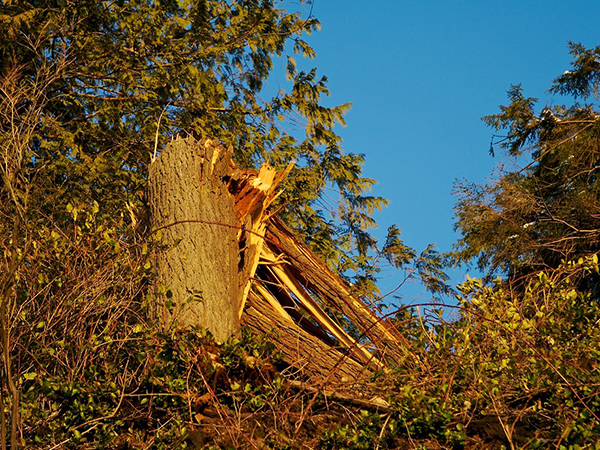
Split trunks: If the tree's trunk has split, assess whether it can be salvaged. Smaller splits may be repairable, while larger ones may require professional intervention.
Safety First:
Safety should always be your top priority when dealing with storm-damaged trees. Before you start any work, ensure the area around the tree is safe and free from hazards. Remember that hanging branches or damaged limbs can fall unexpectedly, so take precautions and use appropriate safety gear.
Prune Damaged Branches:
Trimming and pruning damaged branches is critical in helping a storm-damaged tree recover. Use sharp and clean pruning tools to make clean cuts. Remove broken or hanging branches back to the main stem or a lateral branch. Prune just outside the branch collar to promote proper healing and wound closure.
Support Uprooted or Leaning Trees:
If a tree has been uprooted or is leaning, consider these options:
Stake the tree: Install stakes opposite the lean side and attach tree straps to provide support. Be careful not to over-tighten, as this can cause further damage to the tree.
Root ball realignment: Attempt to gently realign the root ball with the hole, if possible. Water the soil thoroughly to help settle it around the roots.
Professional help: For large or severely damaged trees, it's best to consult an arborist or tree specialist who can assess the situation and provide appropriate assistance.
Protect Wounds and Pruning Cuts:
After pruning, protecting the tree's wounds and cuts from pests and diseases is essential. Apply a tree wound dressing or a pruning sealant to create a barrier that prevents pathogens from entering the wound.
Provide Adequate Care:
To aid in the recovery process, continue providing proper care to your storm-damaged tree:
Watering: Keep the tree well-watered, especially during dry periods, to help it recover and reduce stress.
Mulching: Apply a layer of organic mulch around the tree's base to retain moisture and protect roots. Avoid piling mulch against the trunk.
Fertilization: If necessary, consult an arborist about the appropriate fertilizer to promote growth and recovery.
Storm-damaged trees can be nursed back to health with proper care and attention. By assessing the damage, ensuring safety, pruning carefully, and providing the necessary support, you can help your trees recover and thrive again.
Remember that it's always best to seek professional assistance from arborists or tree care experts for significant damage or large trees. By taking these steps, you not only aid in the recovery of individual trees but also contribute to the overall health and beauty of your local environment.