How Color Can Make a Room Look Bigger (or Smaller)
- By the dedicated team of editors and writers at Newsletter Station.
The colors we choose for our interior spaces profoundly impact how a room looks and feels. One of the most intriguing aspects of color psychology in interior design is its ability to create the illusion of space.
By carefully selecting and coordinating colors, you can make a room appear larger or smaller than it is. In this blog, we'll explore the fascinating world of color and how it can transform the perception of space in your home.
Light Colors for a Spacious Feel
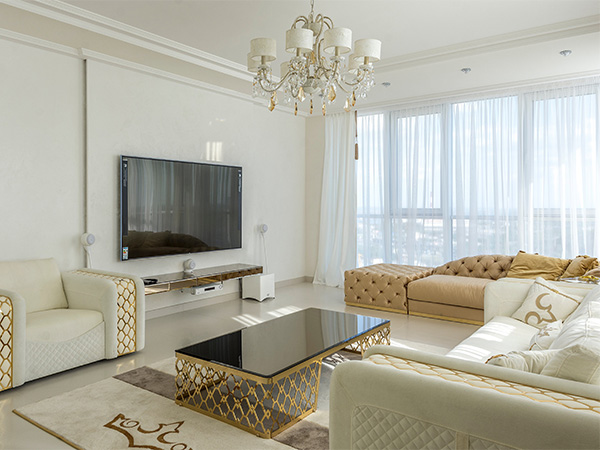
One of the most commonly used techniques to make a room appear larger is to use light colors on the walls and ceilings. Light shades like whites, pale blues, soft yellows, and light grays reflect more natural light, creating an open, airy atmosphere. Light colors bounce around the room, reducing shadows and expanding the space.
Dark Colors for Coziness
Conversely, using dark colors can make a room feel smaller and cozier. Deep blues, rich greens, warm browns, and charcoal grays can create an intimate and snug ambiance. Dark colors absorb light, which can help diminish the perception of space. They also provide a sense of enclosure, making large rooms feel cozier and more inviting.
Monochromatic Schemes
A monochromatic color scheme involves using varying shades of a single color. This design approach can be used to visually elongate a space. When you paint the walls, ceilings, and even the furniture in similar shades of a single color, you eliminate visual boundaries, creating a seamless flow. This gives the illusion of an uninterrupted expanse, making the room seem more spacious.
Contrasting Colors
Using contrasting colors strategically can also impact the perceived size of a room. The key is to create focal points that draw the eye. For example, you can paint an accent wall boldly or use contrasting colors for trim and moldings. These visual distinctions break up the space and add depth, making the room feel larger by creating a sense of dimension.
Horizontal and Vertical Color Techniques
Horizontal and vertical color techniques involve painting stripes or patterns on the walls. Horizontal stripes can make a room appear wider, while vertical stripes can make it seem taller. Consider using subtle color variations or neutral shades to avoid overwhelming the space when using this technique.
Utilizing Natural Light
Natural light plays a significant role in how color interacts with a room's size perception. Large windows and strategically placed mirrors can amplify the effects of color. Reflective surfaces, such as mirrored furniture or glass tables, can bounce light around, making the room feel more open.
Consider the Ceiling
Don't forget about the ceiling when thinking about color. Painting the ceiling a lighter shade than the walls can create the illusion of height, making the room feel taller. Conversely, a dark ceiling can make a room feel cozier and more intimate.
Color is a powerful tool in interior design that can transform how we perceive space. Choosing the right colors and employing various techniques can make a room appear larger or smaller to suit your preferences and needs.
Whether you want to create an open, spacious living area or a cozy, intimate bedroom, your chosen colors can help you achieve the desired effect. So, next time you're considering a room makeover, think about how color can be your ally in creating the perfect ambiance.