- By the dedicated team of editors and writers at Newsletter Station.
When it comes to maintaining your car, there are a few essential tasks that every responsible car owner should regularly perform. Among these, checking and supporting the various fluids in your vehicle is crucial for its overall health and longevity.
These fluids play vital roles in keeping your car running smoothly, ensuring safety, and preventing costly repairs down the road. This blog will examine the fluids you should check in your vehicle and why they are essential.
Engine Oil
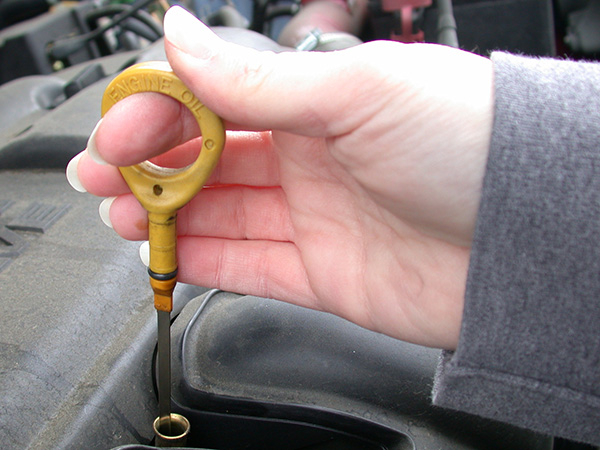
Engine oil is often considered the lifeblood of your car's engine. It lubricates moving parts, reduces friction, and helps dissipate heat. Over time, oil can become contaminated and lose its effectiveness. Regularly checking your engine oil level and quality is crucial to prevent engine damage and extend your vehicle's lifespan. Consult your car's owner's manual for the recommended oil change intervals and the type of oil your vehicle requires.
Transmission Fluid
Transmission fluid is crucial for your car's transmission system to function correctly. It lubricates the gears, cools the transmission, and facilitates gear shifting. Check the transmission fluid level and quality periodically, as low or dirty transmission fluid can lead to costly transmission repairs. Like engine oil, transmission fluid should be changed according to the manufacturer's recommendations.
Coolant (Antifreeze)
Coolant, also known as antifreeze, regulates your engine's temperature, preventing it from overheating or freezing. Low coolant levels or coolant with the wrong mixture can result in engine overheating and severe damage. Check the coolant level regularly and ensure it's at the appropriate level and mixture ratio specified in your car's owner's manual.
Brake Fluid
Brake fluid is vital for your car's braking system, as it transmits the force from your brake pedal to the brakes. Contaminated or low brake fluid can lead to brake failure, compromising your safety and security. Check your brake fluid level and condition periodically to ensure it remains within the recommended range.
Power Steering Fluid
Power steering fluid makes turning the steering wheel easier and smoother. Without it, steering your car can become extremely difficult. Check your power steering fluid level and condition regularly to avoid power steering system problems.
Windshield Washer Fluid
While not directly related to your car's mechanical performance, windshield washer fluid is essential for visibility and safety. Ensure that your windshield washer fluid reservoir is filled regularly, especially before long trips. Clean windshields are crucial for clear vision while driving.
Differential Fluid
If your vehicle has a differential (common in rear-wheel drive and all-wheel drive vehicles), the differential fluid should be checked periodically. It helps lubricate and cool the differential's gears and bearings. Neglecting differential maintenance can result in costly repairs.
Regularly checking and maintaining the fluids in your car is a simple yet crucial aspect of responsible car ownership. Neglecting these essential fluids can lead to mechanical failures, reduced safety, and costly repairs.
Following your car's owner's manual and performing routine fluid checks and changes as recommended allows you to keep your vehicle running smoothly, extend its lifespan, and ensure a safe and enjoyable driving experience for years. When in doubt, consult a professional mechanic for guidance and assistance with fluid maintenance tasks.