Common Exhaust System Issues: Why Maintenance Matters for Your Vehicle
- By the dedicated team of editors and writers at Newsletter Station.
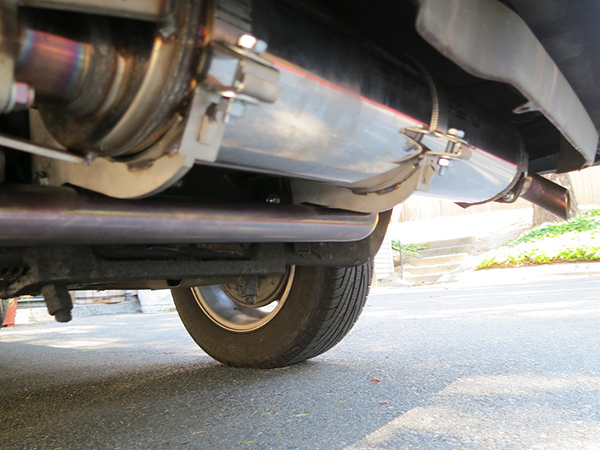
A car’s exhaust system often operates quietly beneath the vehicle, yet it plays a critical role in performance, safety, and environmental protection. Responsible for channeling harmful gases away from the engine, reducing noise, and supporting fuel efficiency, the exhaust system is essential for optimal vehicle operation.
Like all mechanical systems, however, it is subject to wear and tear over time. Regular inspections and timely maintenance are key to avoiding costly repairs and ensuring your vehicle runs smoothly.
Corrosion
Corrosion is one of the most common exhaust system problems. Moisture, road salt, and exposure to the elements can gradually rust exhaust pipes, mufflers, and other components. Left unchecked, rust weakens the metal, causing holes or cracks that allow toxic gases to escape. This not only reduces fuel efficiency and engine performance but also poses serious health risks. Preventive measures such as regular inspections, rust-proofing, and protective coatings can extend the lifespan of your exhaust system.
Exhaust Leaks
Exhaust leaks often result from corrosion, loose connections, or damaged gaskets. Leaks can produce loud, unusual noises and compromise the vehicle’s emissions system. They also reduce engine efficiency and increase fuel consumption. Promptly identifying and repairing exhaust leaks is critical for maintaining safety, optimal performance, and compliance with emissions regulations.
Catalytic Converter Failure
The catalytic converter is vital for reducing harmful emissions by converting toxic gases into less dangerous substances. Overheating, contamination, or physical damage can lead to failure. Symptoms include increased emissions, reduced engine performance, and illumination of the check engine light. A failing catalytic converter can also cause a vehicle to fail emissions testing. Timely replacement ensures regulatory compliance, improves fuel efficiency, and protects the environment.
Exhaust System Hangers
Hangers secure exhaust system components, preventing sagging or excessive movement. Over time, hangers may deteriorate, causing the exhaust to hang too low or sway, potentially damaging the system or undercarriage components. Regular inspections and replacement of worn hangers help prevent costly damage and ensure proper exhaust alignment.
Oxygen (O2) Sensor Malfunction
O2 sensors monitor oxygen levels in exhaust gases, allowing the engine control unit (ECU) to adjust the fuel-air mixture for optimal combustion. A malfunctioning O2 sensor can reduce fuel efficiency, increase emissions, and cause poor engine performance, and it can trigger the check engine light. Replacing faulty sensors promptly is essential to maintain engine efficiency, pass emissions tests, and reduce environmental impact.
Maintaining Your Exhaust System
The exhaust system may operate quietly, but its importance cannot be overstated. Corrosion, leaks, catalytic converter failure, worn hangers, and faulty O2 sensors can all compromise performance, safety, and efficiency. By scheduling regular inspections, addressing issues promptly, and investing in preventive maintenance, car owners can extend the life of their exhaust systems, reduce emissions, and enjoy smoother, safer driving.
Regular maintenance isn’t just about compliance—it’s an investment in your vehicle’s longevity, fuel economy, and overall performance.