- By the dedicated team of editors and writers at Newsletter Station.
Proper maintenance is crucial for running your car smoothly and extending its lifespan. One of the most essential aspects of car maintenance is changing the oil regularly. However, there has been a long-standing debate about how often to change your car's oil.
This blog post will delve into this topic and provide valuable insights to help you decide about oil changes.
Follow the Manufacturer's Recommendations
The most reliable source of information regarding oil change intervals for your specific vehicle is your car's manufacturer. Car manufacturers invest significant resources in research and development to determine the optimal intervals for their engines. They consider various factors, including engine design, oil quality, and driving conditions. You can find these recommendations in your vehicle's owner's manual.
The Traditional 3,000-Mile Myth
For many years, the standard advice was to change your car's oil every 3,000 miles or every three months, whichever came first. This practice was based on older engine technologies and lower-quality oils. However, modern engines and improved synthetic oils have changed the game. Most vehicles built in the last few decades can safely go longer between oil changes.
The 5,000 to 7,500 Mile Rule
Today, the general guideline for oil changes is around 5,000 to 7,500 miles for most cars, though this can vary depending on your driving habits and the type of oil you use. Synthetic oils tend to have longer change intervals compared to conventional oils. High-performance and luxury vehicles may also require more frequent oil changes.
Driving Conditions Matter
Your driving conditions play a significant role in determining how often you should change your car's oil. Your oil may degrade faster if you primarily drive in severe conditions, such as stop-and-go city traffic, extreme heat, or frequent short trips. In such cases, changing your oil more frequently is often recommended, possibly every 3,000 to 5,000 miles.
Regularly Check Your Oil Level
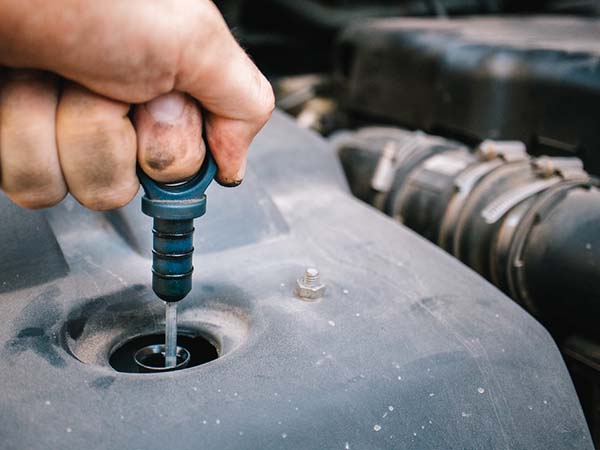
Even if you follow the manufacturer's recommended oil change interval, checking your oil level regularly is essential. Low oil levels can lead to engine damage. If your oil level drops between changes, consider topping it up to keep your engine running smoothly.
Synthetic vs. Conventional Oil
As mentioned earlier, the type of oil you use can affect your oil change intervals. Synthetic oils are known for their durability and ability to withstand higher temperatures. They often have longer change intervals compared to conventional oils. Be sure to use the oil type recommended by your vehicle's manufacturer.
Listen to Your Engine
In addition to following manufacturer recommendations and considering driving conditions, paying attention to your car's engine is wise. If you notice any unusual noises, decreased performance, or a sudden increase in oil consumption, it may be time to change your oil sooner than scheduled.
The frequency of oil changes for your car depends on several factors, including the manufacturer's recommendations, your driving conditions, the type of oil you use, and the age of your vehicle. It's essential to strike the right balance between changing your oil often enough to protect your engine and avoiding unnecessary oil changes that can be a waste of time and money.
By staying informed and attentive to your vehicle's needs, you can ensure that your car's engine stays healthy and reliable for years. Always consult your owner's manual and a trusted mechanic for personalized advice on oil change intervals for your specific vehicle.