- By the dedicated team of editors and writers at Newsletter Station.
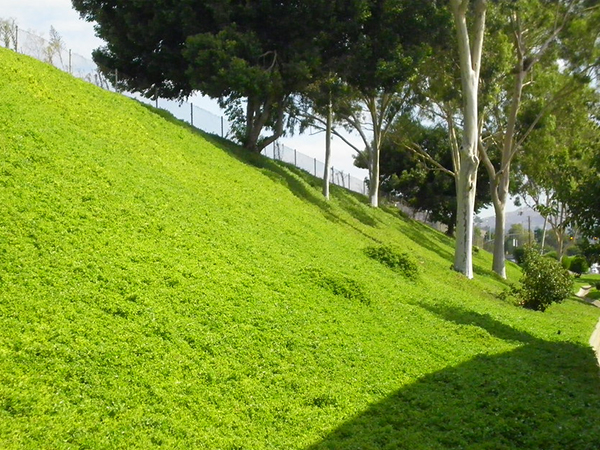
Maintaining a lush, green lawn is a point of pride for many homeowners. However, if your property includes a hill or slope, lawn care can become a bit more challenging. Cutting grass on a mountain requires special attention to safety, equipment, and technique to ensure your lawn looks its best and you avoid any mishaps.
This blog will explore the best methods for cutting grass on a hill.
Why Cutting Grass on a Hill Requires Special Attention
Cutting grass on a hill is different from mowing a flat surface for several reasons:
Safety Concerns: Hills can be treacherous. Slip and fall accidents are common, and accidents with mowers rolling over are not unheard of. Safety should be your top priority.
Grass Health: How you cut your grass can impact its health. Mowing improperly on a slope can damage the grass and soil.
Equipment Needs: You may need different equipment or attachments to cut grass on a hill effectively.
Aesthetics: Sloped lawns require more attention to detail to achieve a neat, attractive appearance.
Tips for Safely Cutting Grass on a Hill
Safety should always be your foremost concern when tackling lawn care on a slope. Here are some safety tips to keep in mind:
Wear Appropriate Footwear: Choose sturdy, slip-resistant footwear with good traction.
Inspect Your Equipment: Make sure your mower is in good working condition and the blades are sharp. Now, when the grass is dry, to prevent slips.
Mow in Dry Conditions: Wet grass can make slopes even more slippery. Avoid mowing on damp or rainy days.
Take Your Time: Slow and steady wins the race on a hill. Move at a comfortable pace and avoid rushing.
Stay Hydrated: Mowing on a hill can be physically demanding. Keep yourself hydrated and take breaks as needed.
Equipment and Tools
The right equipment can make a significant difference when mowing on a hill:
Self-Propelled Mower: Using a self-propelled mower can make navigating the slope easier, as you won't have to exert as much effort to push the mower uphill.
Walk-Behind String Trimmer: For steeper slopes or areas your mower can't reach, a walk-behind string trimmer can be a handy tool.
Safety Gear: Consider wearing safety gear like goggles and hearing protection.
Techniques for Mowing on a Hill
Now that you're prepared with the right safety precautions and equipment, let's explore some techniques for effectively mowing on a hill:
Mow Across the Slope: Instead of mowing up and down the hill, mow across the slope horizontally. This reduces the risk of slipping and gives you more control.
Go Slow and Steady: Maintain a slow, steady pace to maintain control of the mower. Avoid sudden movements or jerks.
Watch Your Footing: Be mindful of your footing and maintain good balance. Take extra caution when turning.
Overlap Your Passes: Overlapping your mowing passes by a few inches ensures you don't leave uncut strips of grass.
Choose the Right Height: Adjust your mower's cutting height to remove no more than one-third of the grass blade at a time. Taller grass can help prevent soil erosion on slopes.
Trim Edges Manually: For the edges and steep sections, use a walk-behind string trimmer or trim these areas manually.
Maintain a Consistent Pattern: Stick to a consistent mowing pattern to ensure even grass cutting and a neat appearance.
Stay Alert: Always be aware of your surroundings and potential hazards.
In conclusion, cutting grass on a hill requires careful planning, the right equipment, and a focus on safety. By following these tips and techniques, you can maintain a healthy, attractive lawn while minimizing the risks associated with mowing on a slope.
Safety should always be your top priority, so take your time and stay cautious when tackling this challenging task.