- By the dedicated team of editors and writers at Newsletter Station.
The kitchen is often considered the heart of the home—a place where meals are prepared, conversations happen, and memories are made. However, daily cooking can also create a variety of messes, from greasy stovetops and food splatters to stubborn stains and lingering odors.
Keeping your kitchen clean does not have to mean spending hours scrubbing every surface. With the right techniques and a few simple household supplies, you can quickly tackle everyday kitchen messes and maintain a fresh, welcoming cooking space.
Here are some practical kitchen cleaning tips to help you keep your home looking its best.
Cleaning Greasy Stovetops and Range Hoods
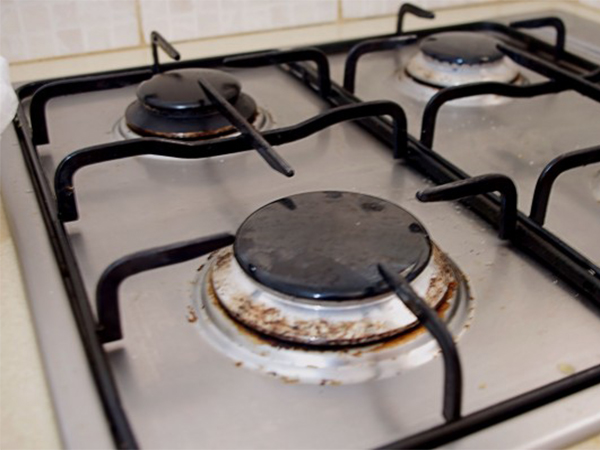
Cooking oils and food splatters can quickly build up on stovetops, backsplashes, and range hoods. Regular cleaning prevents grease from becoming difficult to remove.
To clean greasy surfaces:
Remove loose crumbs and debris with a damp cloth.
Mix equal parts warm water and white vinegar in a spray bottle.
Apply the solution to greasy areas and allow it to sit for several minutes.
Wipe with a microfiber cloth or non-abrasive sponge.
For stubborn grease buildup, create a paste using baking soda and water. Apply it gently, let it sit briefly, and wipe away the residue.
Avoid harsh abrasives that may scratch delicate surfaces such as glass cooktops or stainless steel.
Removing Microwave Splatters
Microwave spills can become baked-on messes if they are not cleaned regularly. Fortunately, steam makes this task much easier.
Try this simple method:
Fill a microwave-safe bowl with water.
Add lemon slices or a small amount of white vinegar.
Heat the mixture for several minutes until steam forms.
Let it sit for a few minutes before opening the door.
Wipe the interior with a soft cloth.
The steam loosens dried food particles, making them easier to remove without heavy scrubbing. For stubborn spots, a small amount of baking soda can help lift residue.
Tackling Burnt Pots, Pans, and Oven Spills
Burnt-on food can make cookware and ovens seem impossible to clean, but a few simple tricks can help.
For pots and pans:
Fill the pan with warm water and a few drops of dish soap.
Bring the mixture to a gentle simmer.
Allow it to cool slightly before scrubbing away loosened residue.
For oven spills:
Wait until the oven is completely cool.
Remove loose debris.
Apply a baking soda paste to stubborn areas.
Allow it to sit before wiping clean.
Cleaning spills soon after they happen can prevent them from becoming harder to remove later.
Refreshing Sinks and Countertops
Kitchen sinks and countertops collect food particles, grease, and bacteria throughout the day. Regular cleaning helps maintain a healthier food preparation area.
For stainless steel sinks:
Sprinkle baking soda over the surface.
Scrub gently with a soft sponge or cloth.
Rinse thoroughly.
Dry with a microfiber towel to prevent water spots.
For countertops, always use a cleaner designed for the specific material. Granite, quartz, marble, and other stone surfaces may require specialized products to prevent damage.
A quick wipe-down after cooking helps prevent buildup and keeps surfaces looking polished.
Cleaning Coffee Makers and Kettles
Coffee makers and electric kettles can develop mineral deposits over time, especially in areas with hard water. These deposits can affect performance and the taste of your drinks.
To clean a coffee maker:
Fill the reservoir with equal parts water and white vinegar.
Run a brewing cycle.
Follow with two cycles of clean water to remove any remaining vinegar.
For kettles:
Fill with water and vinegar.
Heat the solution.
Let it sit before rinsing thoroughly.
Regular cleaning helps extend the life of these appliances and keeps beverages tasting fresh.
Eliminating Kitchen Odors
Even a clean kitchen can develop unwanted smells from food waste, drains, or cooking.
To keep your kitchen smelling fresh:
Empty trash regularly.
Clean garbage disposals with ice cubes and citrus peels.
Wash reusable kitchen towels frequently.
Open windows or use ventilation while cooking.
Clean refrigerator spills promptly.
Small habits can make a noticeable difference in maintaining a fresh environment.
Create a Simple Kitchen Cleaning Routine
The easiest way to keep kitchen messes under control is through regular maintenance.
Consider these habits:
Daily tasks:
Wipe countertops.
Wash dishes or load the dishwasher.
Clean cooking surfaces.
Sweep high-traffic areas.
Weekly tasks:
Clean appliances.
Wipe cabinet fronts.
Mop floors.
Deep clean sinks and fixtures.
A consistent routine prevents small messes from becoming overwhelming cleaning projects.
A clean kitchen does not require complicated products or hours of effort. With simple techniques and regular maintenance, you can easily manage grease, spills, stains, and everyday buildup.
By incorporating these kitchen cleaning tricks into your routine, you can keep your cooking space organized, hygienic, and inviting. A little daily care goes a long way toward creating a kitchen that is ready for family meals, entertaining guests, and making new memories.