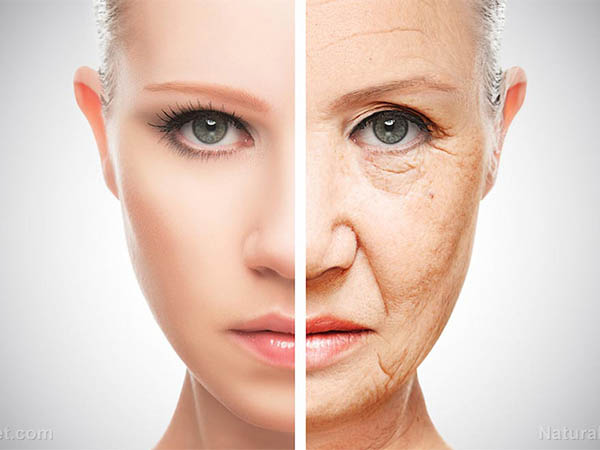
Signs Your Skin May Be Aging Faster Than It Should
- By the dedicated team of editors and writers at Newsletter Station.
As we journey through life, our skin naturally changes, reflecting the passage of time and our experiences. Fine lines, changes in texture, and gradual loss of firmness are normal parts of aging. However, certain factors—including sun exposure, smoking, environmental stressors, genetics, and skincare habits—can contribute to premature skin aging, also known as photoaging.
The good news is that many of the habits that contribute to premature aging can be changed. A consistent skincare routine, daily sun protection, healthy lifestyle choices, and appropriate treatments can help protect your skin and maintain a healthy, vibrant appearance.
Here are some common signs that your skin may be experiencing premature aging, along with practical steps that can help.
Fine Lines and Wrinkles
Fine lines and wrinkles are among the most recognizable signs of skin aging. Although they naturally become more noticeable over time, repeated exposure to ultraviolet (UV) radiation can accelerate their development. Smoking can also contribute to premature wrinkles and changes in skin texture.
A simple first step is to protect your skin from the sun every day. Dermatologists recommend using a broad-spectrum sunscreen with SPF 30 or higher on exposed skin. Wearing protective clothing, seeking shade, and avoiding tanning beds can provide additional protection.
For existing fine lines, moisturizers can temporarily make the skin appear smoother by helping it retain water. Retinoids, including retinol, are another class of ingredients that may help improve fine lines, uneven pigmentation, and skin texture. Because retinoids can irritate some skin types, introduce them gradually and consider speaking with a dermatologist about which product is appropriate for you.
Uneven Skin Tone and Dark Spots
Dark spots, age spots, and uneven pigmentation can make skin appear older or more sun-damaged. UV exposure is a major contributor, while inflammation and certain hormonal changes can also contribute to pigmentation concerns.
Consistent sun protection is essential when addressing dark spots because continued UV exposure can make pigmentation more noticeable. A broad-spectrum SPF 30 or higher sunscreen can help protect against additional sun damage. Tinted sunscreens containing iron oxide may provide additional protection from visible light, which can contribute to hyperpigmentation, particularly in people with darker skin tones.
Depending on your skin type and concerns, ingredients such as vitamin C, niacinamide, or retinoids may also help improve the appearance of uneven skin tone. Introduce new products gradually to reduce the risk of irritation.
Loss of Firmness and Elasticity
Over time, skin naturally becomes less firm as collagen, elastin, and other structures that support it change. Premature sun exposure and smoking can accelerate these visible changes. Sun-damaged skin may eventually develop wrinkles, loose skin, age spots, and a blotchy complexion.
While no cream can completely stop the natural aging process, a consistent skincare routine can help your skin look healthier. Daily sunscreen, moisturizer, and carefully selected ingredients such as retinoids can support smoother-looking skin.
If significant sagging or loss of firmness concerns you, a dermatologist can discuss treatment options based on your skin, goals, and overall health.
Dullness, Rough Texture, and Dryness
Healthy skin does not have to look perfectly smooth or glowing every day, but persistent dryness, rough texture, or dullness may indicate that your skin barrier needs more attention.
Harsh cleansers, over-exfoliation, very hot water, cold or dry weather, and certain skincare products can contribute to dryness and irritation. Instead of using multiple aggressive treatments, focus on a gentle cleanser and a moisturizer formulated for your skin type.
Moisturizers are particularly useful because they help trap water in the skin, which can temporarily soften the appearance of fine lines and improve the overall look of the complexion.
If you use exfoliating ingredients such as glycolic acid, start slowly and avoid combining too many potentially irritating products at once. More products do not necessarily mean better results.
Under-Eye Lines, Bags, and Dark Circles
The skin around the eyes is delicate, so changes in this area can become noticeable with age. Fine lines, puffiness, and dark circles can have many causes, including genetics, allergies, sleep habits, pigmentation, and normal changes in the tissues around the eyes.
Getting adequate sleep, managing allergies when appropriate, staying hydrated, and protecting the area from sun exposure can support healthier-looking skin.
Eye creams containing moisturizing ingredients such as hyaluronic acid may temporarily improve the appearance of dryness and fine lines. However, no eye cream can eliminate every type of dark circle or under-eye bag. Genetics and structural changes often play a significant role.
Sagging Skin Around the Face and Neck
Some loss of firmness around the jawline, cheeks, and neck is a normal part of aging. Changes in collagen and elastin, cumulative sun exposure, genetics, and significant changes in body weight can all influence the appearance of skin over time.
Maintaining a stable, healthy weight, avoiding smoking, eating a balanced diet, exercising regularly, and protecting your skin from UV exposure can support overall skin health.
It's worth being cautious about products or techniques that promise to "lift" or dramatically tighten the skin. Facial exercises are sometimes promoted as an anti-aging solution, but evidence does not establish them as a dependable way to prevent or reverse sagging. If sagging is a significant concern, a qualified dermatologist can explain evidence-based options.
Your Skincare Routine May Be Doing Too Much
Premature-looking skin isn't always caused by too little skincare. Sometimes, an overly complicated routine can leave the skin irritated, dry, or inflamed.
Using several exfoliating acids, retinoids, scrubs, and other active ingredients simultaneously can be particularly irritating. Dermatologists recommend focusing on your primary concern and giving products time to work rather than constantly adding new treatments.
A simple routine can be highly effective:
Morning: Gentle cleanser, moisturizer if needed, and broad-spectrum SPF 30 or higher.
Evening: Gentle cleanser, moisturizer, and an appropriate treatment such as retinol if your skin can tolerate it.
Occasionally: Add other targeted products based on your specific skin concerns rather than using numerous active ingredients at once.
Protect Your Skin for the Long Term
While we can't stop the clock, we can take meaningful steps to reduce premature skin aging and support long-term skin health. Daily sun protection is one of the most important habits you can develop. Choose a broad-spectrum, water-resistant sunscreen with SPF 30 or higher, and reapply when appropriate during extended outdoor activities.
You can also protect your skin by avoiding tanning beds, not smoking, eating a balanced diet, getting adequate sleep, managing stress, staying physically active, and maintaining a consistent skincare routine.
It's also important to remember that everyone's skin ages differently. Genetics, skin type, medications, hormones, environment, and lifestyle can all influence how your skin changes.
If you notice a new spot, changing, itching, or bleeding—or if you have a persistent skin concern that doesn't improve with basic care—consider making an appointment with a dermatologist. Changes in the skin aren't always simply signs of aging and may require professional evaluation.
Aging is a natural process, and healthy skin doesn't need to look perfectly smooth or wrinkle-free. The goal isn't to stop aging but to protect your skin, address concerns appropriately, and maintain its health along the way.
With consistent sun protection, gentle skincare, healthy lifestyle habits, and guidance from a dermatology professional when needed, you can help your skin look and feel its best at every stage of life.