How to Reverse Sun Damage and Restore Healthy, Radiant Skin
- By the dedicated team of editors and writers at Newsletter Station.
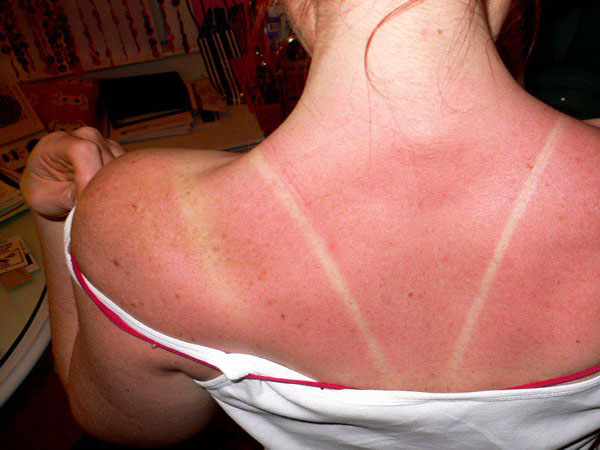
The warmth of the sun feels inviting, but prolonged exposure to ultraviolet (UV) rays can cause lasting damage to your skin. Sun damage can present as sunburn, dark spots, fine lines, uneven texture, and, in severe cases, increase the risk of skin cancer.
With a consistent approach, you can repair and rejuvenate your skin while preventing further damage. In this blog, we’ll explore the most effective strategies to protect your skin, address existing sun damage, and maintain a radiant, healthy appearance.
Prevention is Your First Defense
Preventing additional sun damage is crucial to any skincare routine. Implement these strategies daily:
Use Broad-Spectrum Sunscreen: Apply SPF 30 or higher daily, even on cloudy days. Reapply every two hours outdoors, and more often when swimming or sweating.
Seek Shade: Limit sun exposure during peak hours (10 a.m. to 4 p.m.) to reduce UV-related damage.
Wear Protective Clothing: Long sleeves, wide-brimmed hats, and sunglasses provide additional protection against harmful rays.
Avoid Tanning Beds: Tanning beds emit concentrated UV radiation that accelerates aging and increases cancer risk.
Skincare Products to Repair Damage
Incorporate products that target sun damage for best results:
Vitamin C: An antioxidant that fades pigmentation, reduces inflammation, and boosts collagen for smoother skin.
Retinoids (Retinol): Encourage skin cell turnover to minimize fine lines, uneven texture, and sunspots.
Hydroquinone: Helps lighten stubborn dark spots and melasma caused by sun exposure.
Hyaluronic Acid: Hydrates and plumps the skin to reduce the appearance of fine lines.
Daily SPF: Include SPF in moisturizers or makeup to reinforce protection.
Professional Treatments for Visible Results
For advanced sun damage, professional procedures can accelerate recovery:
Chemical Peels: Exfoliate the outer skin layer to reveal healthier, rejuvenated skin beneath.
Laser Therapy: Fractional lasers target pigmentation, fine lines, and texture issues while stimulating collagen production.
Microdermabrasion: Non-invasive exfoliation that reduces sunspots, fine lines, and minor scars.
Photodynamic Therapy (PDT): Combines light-sensitive medication with specific wavelengths to treat precancerous and sun-damaged skin.
Lifestyle Choices for Skin Health
Healthy habits complement skincare efforts:
Stay hydrated to maintain skin elasticity and a natural glow.
Eat a balanced diet rich in antioxidants, vitamins, and minerals to support skin repair.
Avoid smoking and excessive alcohol, which accelerate aging and worsen sun damage.
Consistency and Patience
Repairing sun-damaged skin takes time and dedication. Combining preventive measures, targeted skincare, professional treatments, and healthy lifestyle choices produces the best long-term results. Over time, your skin will regain its natural radiance, texture, and youthful appearance.
Takeaway: Sun protection is essential, and addressing existing sun damage requires a multifaceted approach. By staying consistent with your skincare routine, consulting professionals when needed, and maintaining a healthy lifestyle, you can reverse damage and enjoy glowing, healthy skin for years to come.