Turmeric for Skin: Potential Benefits and How to Use It Safely
- By the dedicated team of editors and writers at Newsletter Station.
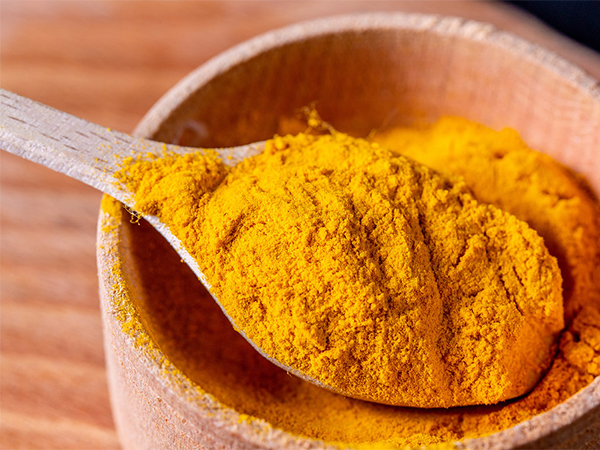
Turmeric, often called the “golden spice,” has been used for centuries in cooking and traditional medicine. More recently, turmeric and its active compound, curcumin, have attracted attention in skincare because of their anti-inflammatory, antioxidant, and antimicrobial properties.
Research suggests curcumin may benefit certain skin concerns, but the evidence is still developing. It is important to distinguish between promising laboratory research and proven skincare results. Turmeric can be an interesting ingredient to explore, but it should not be viewed as a cure for acne, eczema, psoriasis, or other skin conditions.
Potential Skin Benefits of Turmeric
Anti-Inflammatory Properties
Curcumin has demonstrated anti-inflammatory activity, which is one reason researchers have studied its potential use for irritated or inflamed skin. Some clinical research has found benefits for specific dermatologic conditions, although results vary and more research is needed to determine how effective topical curcumin is for everyday skincare.
For someone with sensitive or easily irritated skin, however, “natural” does not automatically mean gentle. Turmeric itself can cause skin reactions in some people.
Antioxidant and Skin-Supporting Properties
Curcumin also has antioxidant properties, which have made it an ingredient of interest in products designed to support overall skin health. Antioxidants can help protect skin from oxidative stress caused by environmental factors.
That doesn't mean turmeric can replace sunscreen or other established skin-care practices. Daily sun protection remains one of the most important steps for preventing premature skin aging and helping minimize the development of dark spots.
Possible Benefits for Uneven Skin Tone
Researchers have investigated curcumin for its potential effects on pigmentation and uneven skin tone. Some laboratory and early clinical research is promising, but evidence is not strong enough to conclude that applying turmeric will reliably fade dark spots or hyperpigmentation.
If hyperpigmentation is a concern, especially if it is persistent or changing, a dermatologist can help determine the underlying cause and recommend treatments with stronger evidence.
Antimicrobial Activity
Research has shown curcumin has antimicrobial properties, which has contributed to interest in its potential use for skin conditions involving microorganisms. However, that does not mean turmeric powder is a substitute for acne medication or treatment prescribed for a skin infection.
Acne, in particular, can have several contributing factors, including oil production, clogged pores, inflammation, and hormonal changes. A turmeric mask alone is unlikely to address all of them.
How to Incorporate Turmeric Into a Skincare Routine
If you want to use turmeric topically, a formulated skincare product containing turmeric or curcumin may be better than applying kitchen turmeric directly to your face. Cosmetic formulations consider factors such as concentration, stability, texture, and skin compatibility.
If you are considering a DIY treatment, keep it simple and avoid aggressive scrubbing. Some home treatments suggest mixing turmeric with ingredients such as yogurt, honey, oatmeal, or aloe vera. Still, limited clinical evidence shows that these combinations provide specific skincare benefits.
There is also a practical issue: turmeric can leave a noticeable yellow-orange stain on skin, clothing, towels, and other fabrics.
Safety Tips Before Using Turmeric on Your Skin
Natural skincare ingredients can still cause irritation or allergic reactions. Turmeric and curcumin have been associated with allergic contact dermatitis, including reactions after topical use.
Before applying a turmeric-containing product more broadly, test a small amount on a limited area of skin and watch for redness, itching, burning, swelling, or other irritation. If a reaction develops, wash the product off and stop using it.
Be particularly cautious if you have sensitive skin, a history of contact allergies, or an existing skin condition that is already irritated.
And if you are trying to treat persistent acne, eczema, psoriasis, significant pigmentation, or another diagnosed skin condition, talk with a dermatologist rather than relying on a DIY turmeric treatment.
Is Turmeric Worth Adding to Your Skincare Routine?
Turmeric and curcumin are interesting skincare ingredients with anti-inflammatory, antioxidant, and antimicrobial properties, and research continues to explore their potential dermatologic uses. However, clinical evidence remains limited, and turmeric should not be presented as a cure-all for common skin concerns.
If you enjoy experimenting with skincare, a properly formulated turmeric product may be worth considering. Introduce it gradually, watch how your skin responds, and remember that basic habits like gentle cleansing, moisturizing, and consistent sun protection remain the foundation of a healthy skincare routine.