Energy-Efficient Home Upgrades That Save Money and Reduce Energy Costs
- By the dedicated team of editors and writers at Newsletter Station.
Making your home more energy efficient is one of the smartest investments you can make. Energy-saving upgrades not only reduce your monthly utility bills but also improve indoor comfort, increase your home's value, and help reduce your environmental impact.
Whether you're planning a major renovation or looking for affordable ways to improve efficiency, there are upgrades available for nearly every budget. Many homeowners also find that energy-efficient improvements require less maintenance and can make their homes more attractive to future buyers.
If you're ready to reduce energy waste and improve your home's performance, consider these popular upgrades.
Upgrade to Energy-Efficient Windows and Doors
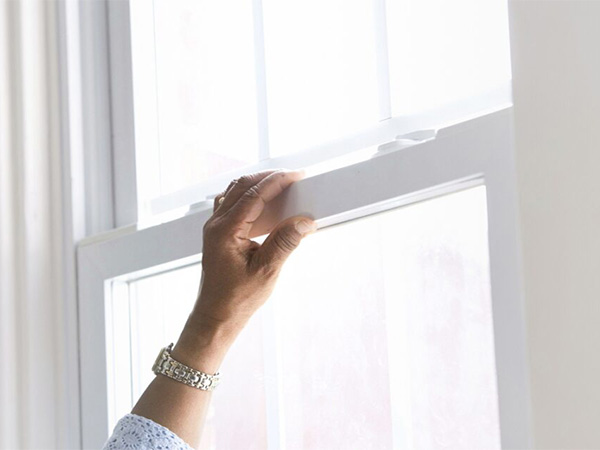
Windows and exterior doors are among the most common sources of energy loss. Older windows with single-pane glass or worn weatherstripping can allow heated or cooled air to escape, forcing your HVAC system to work harder.
Replacing them with modern energy-efficient windows and insulated exterior doors can significantly improve comfort while lowering heating and cooling costs.
Look for products that are independently certified for energy efficiency and designed for your local climate to maximize savings.
Install Solar Panels
Solar energy continues to grow in popularity as technology becomes more efficient and installation options become more accessible.
Solar panels allow homeowners to generate electricity from sunlight, helping reduce dependence on the electrical grid and lowering monthly energy costs. Depending on your location and utility provider, you may also be eligible for incentives, rebates, or net metering programs that improve the long-term value of your investment.
A professional solar assessment can help determine whether your home is a good candidate.
Consider a Heat Pump or High-Efficiency HVAC System
Heating and cooling account for a significant portion of most hhouseholds'energy use.
Modern high-efficiency HVAC systems and heat pumps provide improved temperature control while using less energy than many older systems. Heat pumps, in particular, have become an increasingly popular option because they provide both heating and cooling with excellent energy efficiency.
Routine HVAC maintenance, including changing air filters and scheduling annual inspections, also helps maximize system performance.
Install a Smart Thermostat
Smart thermostats make it easier to manage your home's temperature while reducing unnecessary energy use.
Many models learn your schedule, automatically adjust temperatures, and allow remote control via a smartphone app. By reducing heating and cooling when you're away or asleep, smart thermostats can help lower energy bills without sacrificing comfort.
Replace Older Appliances
Household appliances have become much more energy efficient over the past decade.
If you're replacing refrigerators, dishwashers, washing machines, dryers, or other major appliances, choose models with high energy-efficiency ratings. Modern appliances often use less electricity and water while delivering improved performance.
Replacing outdated equipment can produce noticeable savings over the appliance's lifetime.
Switch to LED Lighting
One of the simplest and most affordable energy-saving improvements is replacing older light bulbs with LED lighting.
LED bulbs use significantly less electricity than traditional incandescent bulbs while lasting much longer. They are available in a wide variety of brightness levels and color temperatures, making them suitable for every room in the home.
This small upgrade can reduce both energy use and replacement costs.
Improve Your Home's Insulation
Proper insulation helps maintain comfortable indoor temperatures throughout the year.
Adding insulation to attics, walls, crawl spaces, or basements can reduce heat loss during colder months and help keep your home cooler during warmer weather. Sealing air leaks around windows, doors, vents, and plumbing penetrations further improves efficiency.
Better insulation often delivers one of the highest returns on investment for homeowners.
Reduce Water and Energy Waste
Water conservation also contributes to energy efficiency.
Installing low-flow showerheads, efficient faucets, and water-saving toilets reduces water use and the energy required to heat water. For outdoor use, rain barrels can collect rainwater for landscaping and gardening, helping reduce reliance on municipal water supplies where permitted.
These simple improvements can lower both water and energy bills.
Small Improvements Can Deliver Long-Term Savings
Improving your home's energy efficiency doesn't have to happen all at once. Even small upgrades can add up to meaningful savings over time.
Whether you begin by installing LED lighting, sealing air leaks, upgrading insulation, or investing in renewable energy, each improvement helps create a more comfortable, efficient, and environmentally friendly home.
By making thoughtful energy-efficient upgrades, you can reduce monthly expenses, increase your home's value, and enjoy greater comfort while supporting a more sustainable future.