Common Plumbing Problems and Simple DIY Fixes for Homeowners
- By the dedicated team of editors and writers at Newsletter Station.
Plumbing problems are an unavoidable part of homeownership and can happen when you least expect them. From dripping faucets and clogged drains to low water pressure and running toilets, these issues can quickly disrupt daily routines and, if ignored, may lead to costly water damage.
While a licensed professional should always handle major plumbing repairs, many minor issues can be resolved safely with basic tools and a little know-how. Understanding how to identify and fix common plumbing problems can help you save time, reduce repair costs, and maintain a more efficient home plumbing system.
Here are some of the most common plumbing issues and practical DIY solutions you can try before calling a plumber.
Fix Dripping Faucets to Save Water and Money
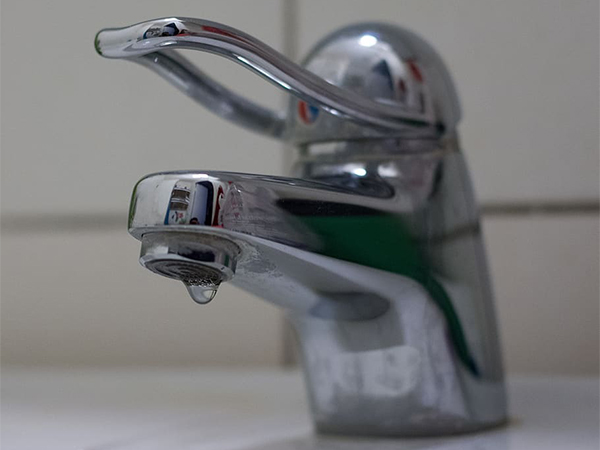
A dripping faucet is one of the most common household plumbing problems—and one of the most wasteful. Even a slow drip can add up to significant water loss over time and increase utility bills.
In most cases, the issue is caused by a worn-out washer, O-ring, or cartridge inside the faucet. Start by turning off the water supply, then carefully disassemble the faucet handle. Inspect the internal components and replace any damaged parts with new ones that match your faucet model.
Once reassembled, turn the water back on and check for leaks. Regular maintenance can help prevent future dripping issues.
Clear Clogged Drains Safely and Effectively
Clogged drains are often caused by buildup from hair, soap residue, grease, food particles, and other debris. Over time, these materials restrict water flow, leading to slow or blocked drains.
For minor clogs, a plunger is often the simplest solution. If that doesn’t work, a natural cleaning method using baking soda and vinegar can help break down buildup. Pour half a cup of baking soda, followed by half a cup of vinegar, down the drain, let it fizz for several minutes, then flush with hot water.
For more stubborn clogs, a drain snake or auger may be required. Avoid harsh chemical cleaners, as they can damage pipes over time.
Repair a Running Toilet to Stop Water Waste
A running toilet can waste a surprising amount of water and significantly increase your utility bill. The most common causes include a worn flapper, a faulty fill valve, or an improperly adjusted float.
Start by removing the tank lid and checking whether the flapper is sealing properly. If it appears warped or damaged, replacing it is usually a quick and inexpensive fix. If the issue persists, inspect the fill valve and float mechanism for proper function.
Most replacement parts are widely available at hardware stores and can be installed with basic tools.
Improve Low Water Pressure in Your Home
Low water pressure can make everyday tasks like showering, washing dishes, or cleaning feel frustrating and inefficient. This issue can be caused by mineral buildup, partially closed valves, pipe leaks, or clogged aerators.
Begin by checking that your main water valve is fully open. Next, remove and clean faucet aerators and showerheads to remove sediment or mineral deposits. Soaking them in vinegar can help dissolve buildup.
If low pressure persists throughout the home, it may indicate a more complex issue, such as a pressure regulator problem or a hidden leak, which may require professional inspection.
Address Leaky Pipes Before Damage Spreads
Leaky pipes should always be addressed quickly to prevent water damage, mold growth, and structural issues. Even small leaks can worsen over time if left untreated.
First, turn off the water supply to the affected area. For minor leaks at joints, tightening connections with a wrench may resolve the issue. Temporary fixes such as epoxy putty or pipe repair clamps can help control small cracks or pinhole leaks.
However, persistent or large leaks should always be handled by a professional plumber to ensure a safe and lasting repair.
Watch for Early Warning Signs of Plumbing Issues
Modern plumbing systems often show early warning signs before major problems develop. These can include slow drains, unusual pipe noises, fluctuating water pressure, or recurring clogs.
Addressing these signs early can help prevent costly repairs and reduce the risk of water damage. Routine inspections and preventative maintenance are key to keeping your plumbing system in good condition.
When to Call a Professional Plumber
While DIY solutions are helpful for minor issues, some plumbing problems require expert attention. Situations involving major leaks, sewer backups, persistent low pressure, or water heater issues should always be handled by a licensed plumber.
Professional plumbers have the tools and expertise to diagnose complex problems and ensure repairs meet safety standards and local building codes.
Understanding basic plumbing repairs can empower homeowners to handle small issues quickly and confidently. Simple fixes like clearing drains, replacing faucet parts, or adjusting toilet components can save both time and money while preventing larger problems.
However, knowing when to call a professional is just as important as attempting DIY repairs. By combining proactive maintenance with timely professional support, you can keep your home’s plumbing system running smoothly and avoid unnecessary stress and costly damage.