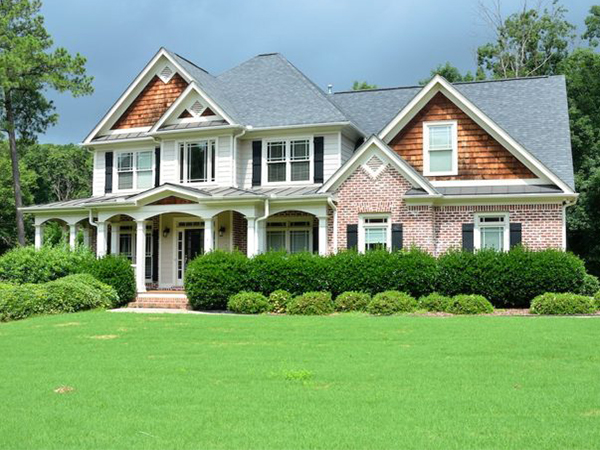
Key Elements of a Well-Functioning Home: Design, Comfort, and Efficiency
- By the dedicated team of editors and writers at Newsletter Station.
A well-functioning house is more than a physical structure—it is a thoughtfully designed environment that supports daily life, enhances comfort, and promotes overall well-being. When a home is organized and efficient, it becomes easier to live, relax, and thrive within it. Modern homeowners are increasingly prioritizing smart layouts, energy efficiency, and adaptable living spaces that work for changing needs and lifestyles.
Creating a home that functions well does not require constant renovation. Instead, it involves intentional design choices, smart organization, and practical upgrades that improve how each space is used. Below are the essential elements that contribute to a truly well-functioning home.
Efficient Space Planning and Layout Design
A strong foundation of any well-functioning home is efficient space planning. A thoughtfully designed layout ensures smooth movement between rooms and maximizes usable space without feeling crowded or cluttered.
Each area of the home should serve a clear purpose while supporting daily routines. Open-concept designs continue to remain popular because they improve flow and create a sense of spaciousness, but even traditional layouts benefit from smart zoning.
Built-in storage solutions such as custom closets, shelving units, and multifunctional furniture help reduce clutter and keep essential items organized. When everything has a designated place, maintaining a tidy and functional home becomes significantly easier.
Thoughtful Lighting for Comfort and Functionality
Lighting plays a major role in how a home feels and functions. A balanced lighting plan combines natural light with layered artificial lighting to support different activities throughout the day.
Large windows, skylights, and glass doors help maximize natural daylight, which can improve mood and reduce the need for artificial lighting. In recent years, energy-efficient LED lighting and smart lighting systems have also become standard in modern homes, offering better control over brightness and energy use.
Layered lighting—including ambient, task, and accent lighting—ensures that each room is both functional and visually appealing. For example, kitchens benefit from bright task lighting, while living rooms often require softer lighting for relaxation.
Effective Ventilation and Air Quality
Good ventilation is essential for maintaining a healthy and comfortable indoor environment. Proper airflow helps regulate temperature, reduce humidity, and improve indoor air quality.
Modern homes often incorporate a combination of natural ventilation (windows and vents) and mechanical systems, such as exhaust fans and HVAC systems with air filtration. In newer housing designs, energy recovery ventilators (ERVs) and air purifiers are increasingly used to maintain consistent fresh air circulation.
Improved ventilation not only reduces odors and allergens but also helps prevent moisture-related issues such as mold growth, which can impact both health and structural integrity.
Functional Kitchens and Bathrooms
Kitchens and bathrooms are two of the most frequently used spaces in any home, making their design critical to overall functionality. A well-designed kitchen focuses on workflow efficiency, often following the “work triangle” concept between the sink, stove, and refrigerator.
Modern kitchens also prioritize durable surfaces, energy-efficient appliances, and smart storage solutions like pull-out drawers, pantry systems, and modular cabinetry.
Bathrooms benefit from similar principles, with emphasis on water-efficient fixtures, easy-to-clean materials, and optimized storage for everyday essentials. Walk-in showers, floating vanities, and improved lighting are increasingly common in contemporary bathroom design.
Smart Home Technology and Automation
Smart home systems have become an important part of modern living, improving both convenience and efficiency. Home automation allows residents to control lighting, temperature, security systems, and appliances from a single device or mobile app.
Smart thermostats, video doorbells, automated lighting, and voice-controlled assistants are now widely used to enhance daily routines. These technologies not only simplify household tasks but can also improve energy management and save costs.
As smart home technology continues to evolve, more homeowners are integrating connected systems that improve comfort, safety, and long-term efficiency.
Outdoor Living and Functional Exterior Spaces
A well-functioning home extends beyond its interior. Outdoor spaces such as patios, decks, gardens, and covered seating areas add valuable living space and enhance overall quality of life.
Modern outdoor design often focuses on creating seamless transitions between indoor and outdoor areas using sliding doors, consistent flooring materials, and cohesive design styles. Outdoor kitchens, fire pits, and seating areas have also become popular features for entertaining and relaxation.
Well-designed exterior spaces not only enhance usability but also increase property value and curb appeal.
Organization and Long-Term Maintenance
Even the best-designed home requires ongoing organization and maintenance to remain functional. Regular decluttering, seasonal organization, and preventive maintenance help ensure that systems and spaces continue to operate efficiently.
Simple habits such as daily tidying, routine appliance checks, and scheduled deep cleaning can significantly improve how a home feels and functions over time. Smart storage solutions and labeled organization systems also make it easier to maintain order in busy households.
A well-functioning home is built through intentional design, smart systems, and consistent care. From efficient layouts and proper lighting to ventilation, smart technology, and outdoor living spaces, every detail contributes to a more comfortable and practical environment.
By focusing on functionality as much as aesthetics, homeowners can create spaces that not only look beautiful but also support everyday life with ease and efficiency. Ultimately, a well-functioning house is a place where comfort, organization, and well-being come together to create a true sense of home.