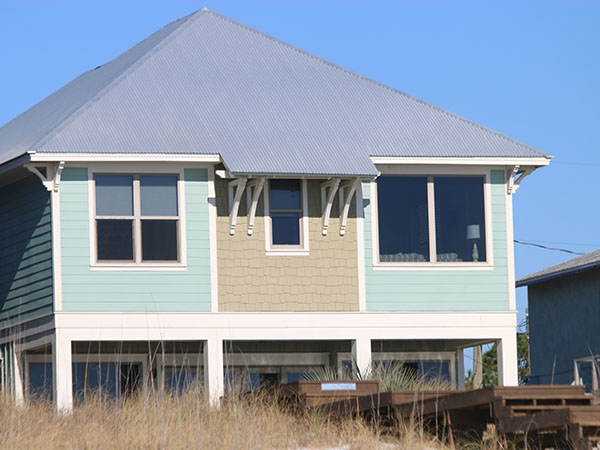
Vacation Home Insurance: What You Need to Know to Protect Your Investment
- By the dedicated team of editors and writers at Newsletter Station.
Owning a vacation home is a dream for many—a retreat to unwind, recharge, and make lasting memories with family and friends. Yet, alongside the joys of vacation homeownership come responsibilities, with one of the most important being adequate insurance coverage.
Vacation home insurance differs from standard homeowners insurance in several key ways. Whether you own a beachfront villa, mountain cabin, or lakeside cottage, it’s essential to understand the unique factors involved in choosing the right policy. Here’s a guide to help you protect your property effectively.
Location Matters
The location of your vacation home significantly affects your insurance needs and costs. Properties in areas prone to natural disasters such as hurricanes, floods, wildfires, or earthquakes often require additional coverage beyond a standard policy. Remote or secluded properties may face higher risks of theft or vandalism, necessitating security measures and specific insurance provisions. Understanding local risks and working with an insurer familiar with your area ensures you are adequately protected against regional hazards.
Usage and Occupancy
How you plan to use your vacation home affects insurance coverage. If you rent your property to short-term tenants, a specialized vacation rental insurance policy is typically required, providing liability protection, coverage for guest-caused damage, and protection of rental income. If the home is used exclusively by you and your family, a standard homeowners policy may suffice, but always verify coverage limits and exclusions with your insurer.
Seasonal and Vacancy Considerations
Many vacation homes are used seasonally, which can affect insurance requirements. Extended vacancies increase the risk of vandalism, undetected leaks, or pest infestations. Vacant home insurance or seasonal dwelling policies can address these risks. For properties in harsh winter climates, ensure coverage includes damage from snow, ice, and freezing temperatures, which can lead to costly repairs.
Accurate Valuation and Replacement Cost
Properly valuing your vacation home and determining its replacement cost is essential. Property values fluctuate over time, so reassess your coverage periodically. Consider construction costs, materials, and any custom upgrades when estimating replacement value. Working with a qualified appraiser or insurance professional helps ensure your policy provides sufficient coverage for rebuilding or repairs after damage.
Additional Coverages and Endorsements
Beyond standard property and liability coverage, consider specialized endorsements for your vacation home. These might include coverage for personal belongings, detached structures such as boathouses or sheds, liability for recreational activities such as boating or skiing, and protection for high-value items, including artwork, jewelry, and electronics. Consulting with an experienced insurance agent can help identify coverage gaps and tailor a policy to your specific needs.
Deductibles and Premiums
When selecting a policy, review deductibles and premiums carefully. Higher deductibles typically lower premiums but increase out-of-pocket costs during a claim. Lower deductibles provide greater financial protection but may result in higher ongoing premiums. Balance your budget, risk tolerance, and likelihood of filing a claim to determine the best deductible and premium combination.
Regular Review and Updates
Insurance needs evolve. Changes in property value, occupancy patterns, or local regulations can impact your coverage requirements. Regularly reviewing and updating your policy ensures your vacation home remains fully protected. Maintain open communication with your insurance provider to make timely adjustments as needed.
Purchasing property insurance for a vacation home requires careful consideration of location, usage, seasonal risks, valuation, additional coverages, deductibles, and premiums.
By understanding these factors and working closely with a knowledgeable insurance professional, you can select a policy that safeguards your investment and provides peace of mind. After all, your vacation home is more than a property—it’s a cherished retreat that deserves comprehensive protection.