Decoding the Link: The Role of Credit Scores in Auto Insurance
- By the dedicated team of editors and writers at Newsletter Station.
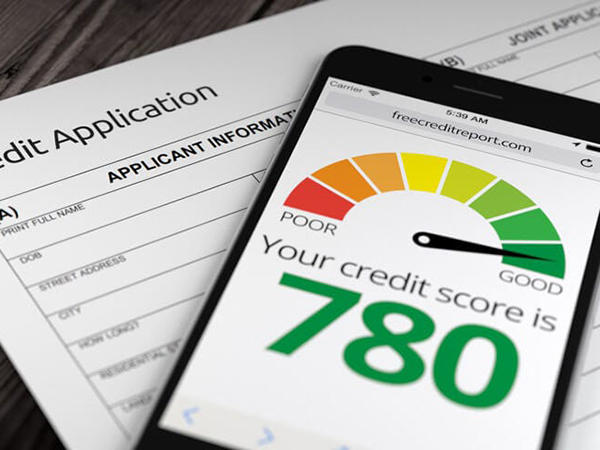
One often overlooked thread in the intricate web of factors that determine auto insurance rates is the role of credit scores. While it might seem counterintuitive, your credit score can significantly impact your auto insurance premiums. But why is this so, and how does it affect you as a policyholder?
Understanding the Connection
At first glance, the connection between credit scores and auto insurance might seem tenuous. After all, what does your creditworthiness have to do with your driving habits or the likelihood of getting into an accident? The answer lies in statistical correlations uncovered by insurance companies over decades of data analysis.
Insurance companies use statistical models to assess risk and calculate premiums. Through their analysis, they've found a correlation between credit history and the likelihood of filing claims. Although it may not seem obvious, this correlation has led insurers to consider credit scores as one of the key factors in determining insurance rates.
The Logic Behind the Link
So, why do insurance companies factor in credit scores? There are a few reasons:
Predictive Power: Credit scores are predictive of risk in various aspects of life, including financial behavior and, to some extent, driving habits. Insurers argue that individuals with lower credit scores are more likely to file insurance claims, leading to higher costs for the company.
Responsibility: Insurers perceive individuals with higher credit scores as more financially responsible. They believe those who manage their finances well are likely to be more cautious and responsible behind the wheel, thus presenting a lower risk.
Ability to Pay: In the unfortunate event of an accident, individuals with higher credit scores are presumed to have a better ability to pay deductibles and other out-of-pocket expenses. This reduces the likelihood of the insurance company having to cover large sums, which could influence rates.
Data Analysis: Insurers rely heavily on data analysis to determine risk and set premiums. While the exact algorithms insurance companies use are proprietary, credit scores have consistently emerged as a significant variable in their models.
Implications for Policyholders
For consumers, the connection between credit scores and auto insurance rates can have both positive and negative implications:
Cost Impact: Individuals with lower credit scores may face higher insurance premiums, sometimes significantly. This can make auto insurance less affordable for those already struggling financially.
Incentive for Financial Responsibility: On the flip side, the correlation between credit scores and insurance rates can incentivize individuals to improve their financial habits. By managing their c
debt responsibly, policyholders may be able to lower their insurance costs over time.
Transparency and Advocacy: Consumers must understand how credit scores influence insurance rates. Advocacy groups and regulatory bodies play a crucial role in ensuring transparency and fairness in the insurance industry's use of credit data.
Shopping Around: Since insurance companies weigh credit scores differently, it's essential for consumers to shop around for the best rates. Comparing quotes from multiple insurers can help mitigate the impact of credit scores on premiums.
While the connection between credit scores and auto insurance rates may initially seem obscure, it's a significant factor in the insurance industry's risk assessment models. Understanding this link empowers consumers to make informed decisions about their finances and insurance coverage.
As the landscape of data analytics and risk assessment continues to evolve, insurers and consumers must engage in dialogue to ensure fairness and transparency in the use of credit data.