- By the dedicated team of editors and writers at Newsletter Station.
When it comes to maintaining the beauty and longevity of your flooring, you might think about factors like spills, heavy furniture, or pet claws as potential sources of damage. However, sand and dirt are often overlooked yet significant threats to your floors.
These seemingly innocuous particles can cause significant damage to your flooring over time. In this blog, we'll explore how sand and dirt can damage your floors and provide tips on protecting them from these abrasive elements.
Scratches and Scuffs:
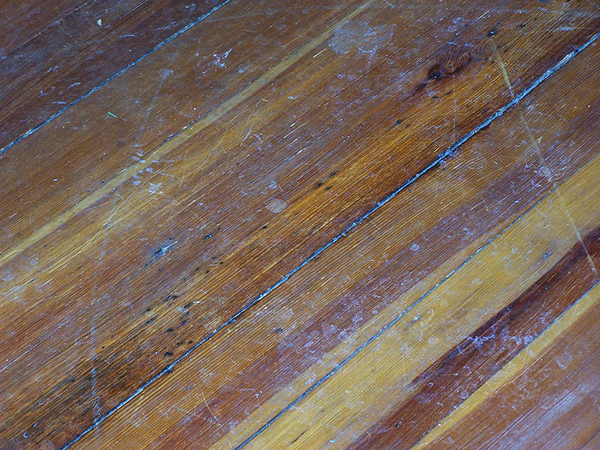
Sand and dirt are inherently abrasive. As people walk on these particles, they get ground into the soles of shoes. When these shoes come into contact with your flooring, they act like sandpaper, causing tiny scratches and scuffs. Over time, these imperfections can accumulate, causing your floors to appear dull and worn.
Hardwood and laminate floors are particularly susceptible to this type of damage. Even tile and vinyl floors can suffer from scratches if sand and dirt are left unchecked.
Fading and Discoloration:
Sand and dirt can contain minor minerals and chemicals, leading to fading and discoloration when they are ground into your floors. This is especially problematic for carpets and rugs, which can lose their vibrant colors and become dull and lifeless.
In addition to fading, the abrasive action of sand and dirt can break down the fibers in carpets and rugs, making them appear frayed and worn much sooner than expected.
Increased Maintenance Costs:
Regular maintenance is essential to keep your floors looking their best. However, sand and dirt can increase the frequency and intensity of maintenance tasks. More frequent sweeping, vacuuming, and mopping are required to keep these particles at bay.
If not properly addressed, the damage caused by sand and dirt may necessitate costly repairs or even the replacement of your flooring. Investing in preventive measures is often more cost-effective in the long run.
Allergen Buildup:
Sand and dirt can carry allergens, including pollen, dust mites, and pet dander. When these particles settle into your floors, they can become a breeding ground for allergens, exacerbating allergies and respiratory issues. Regular cleaning and removing sand and dirt can help maintain a healthier indoor environment.
How to Protect Your Floors
Now that we understand the potential damage that sand and dirt can cause to your floors, here are some tips to help protect them:
Use doormats and rugs: Placing doormats at entryways and high-traffic areas can help trap sand and dirt before they enter your home. Rugs can also provide an extra layer of protection for your floors.
Implement a no-shoe policy: Encourage family members and guests to remove their shoes before entering your home. This simple step can significantly reduce the sand and dirt brought indoors.
Regular cleaning: Sweeping, vacuuming, and mopping your floors regularly is essential to remove sand and dirt particles. Use vacuum cleaners equipped with HEPA filters for optimal results.
Proper floor maintenance: Follow manufacturer recommendations for cleaning and maintaining your specific type of flooring. For example, hardwood floors may require periodic refinishing to address scratches and wear.
Seal and protect: Consider applying floor sealants or protective coatings to your flooring to provide an extra layer of defense against damage from sand and dirt.
While sand and dirt may seem harmless, they can cause significant damage to your floors over time. To preserve the beauty and longevity of your flooring, it's crucial to take proactive steps to prevent these abrasive particles from causing harm.
By using doormats, implementing a no-shoe policy, and regularly cleaning and maintaining your floors, you can protect your investment and enjoy the beauty of your floors for years to come.