The Best Way to Make Your Home’s Stairs Slip Resistant
- By the dedicated team of editors and writers at Newsletter Station.
Stair safety is a critical aspect of home maintenance that often goes overlooked. Slippery stairs can pose a significant risk to your family and guests, leading to accidents and injuries.
Fortunately, various effective methods make your home's stairs slip-resistant, ensuring both safety and peace of mind. In this blog, we will explore some of the best ways to enhance the slip resistance of your stairs.
Install Non-Slip Treads or Stair Mats
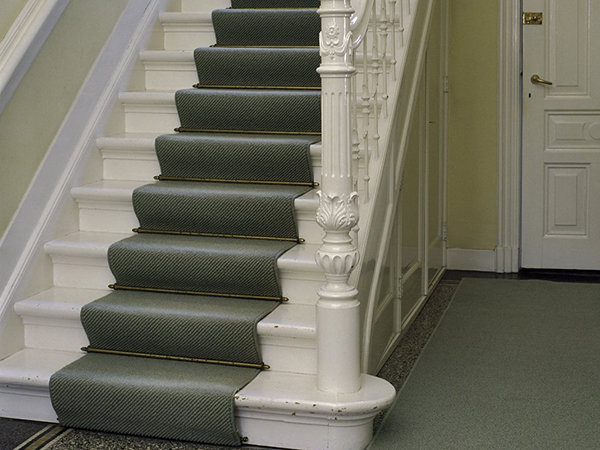
Installing non-slip treads or stair mats is one of the simplest and most effective ways to prevent slips on your stairs. These are specially designed mats that can be placed directly on the steps, providing an additional layer of traction. They are available in various materials, including rubber, carpet, and vinyl, each offering different levels of durability and aesthetics. Choose the one that best matches your decor and needs.
Apply Non-Slip Stair Tape
Non-slip stair tape is another excellent option for improving stair safety. It comes in rolls or strips and is designed to adhere securely to your stair treads. The textured surface of the tape provides excellent grip, reducing the risk of slipping. Clean and dry your stairs thoroughly before applying the tape for optimal adhesion.
Consider Anti-Slip Paint or Coatings
Anti-slip paints or coatings are an effective way to make your stairs slip-resistant while maintaining their original appearance. These coatings contain gritty substances that create a textured surface when applied. You can choose from transparent coatings or colored options to match the aesthetics of your stairs. Ensure you follow the manufacturer's instructions for proper application and drying times.
Improve Lighting
Proper lighting is essential for stair safety, as inadequate illumination can make it difficult to see the stairs clearly, increasing the risk of accidents. Consider installing motion-activated or automatic lighting systems on your stairs to enhance safety and convenience. This will ensure that the stairs are well-lit when needed, helping to prevent slips and falls.
Keep Stairs Clean and Dry
Regular maintenance plays a crucial role in keeping your stairs slip-resistant. Sweep or vacuum your stairs regularly to remove dust, dirt, and debris that can reduce traction and cause slips. In addition, promptly clean up any spills or wet spots on the stairs to prevent them from becoming slip hazards.
Handrails for Support
Sturdy handrails on both sides of the stairs can provide additional support and stability, reducing the likelihood of accidents. Ensure the handrails are securely attached and at a height that is comfortable for users of all ages.
Choose the Right Flooring Material
When designing or renovating your home, consider selecting a slip-resistant flooring material for your stairs. Materials such as textured tiles, natural stone, or rubber can provide better traction than traditional hardwood or polished surfaces.
Ensuring that your home's stairs are slip-resistant is crucial in maintaining a safe and secure living environment. Following these tips and investing in the right products and materials can significantly reduce the risk of accidents and injuries on your stairs.
Don't wait until an accident happens – take proactive measures to make your stairs slip-resistant and enjoy peace of mind, knowing that your family and guests are safe when navigating your home.