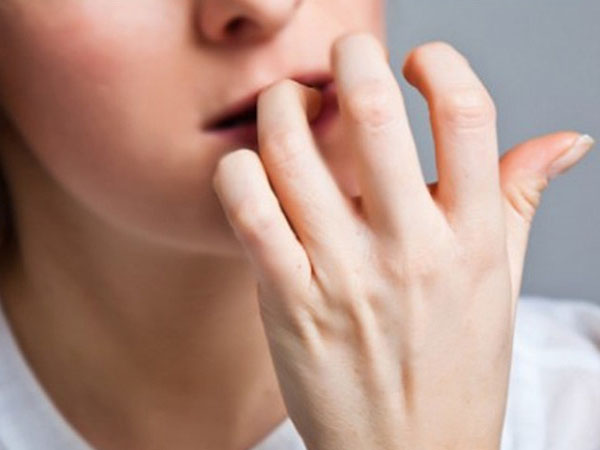
How to Stop Fingernail Biting (Onychophagia): Practical Tips for Healthier, Stronger Nails
- By the dedicated team of editors and writers at Newsletter Station.
Fingernail biting, medically known as onychophagia, is a common habit that many people struggle to break. While it may seem harmless, it can lead to damaged nails, irritated skin, and even long-term nail health issues. It can also affect confidence, creating a frustrating cycle that's hard to control.
The good news is that with the right strategies and consistency, it is absolutely possible to break the Habit and support healthier nail growth.
Understanding Why Nail Biting Happens
Before you can stop nail biting, it helps to understand what triggers it. For many people, it is not just a habit—it’s a response to emotional or situational cues.
Common triggers include:
Stress or anxiety
Boredom or inactivity
Nervous energy in social or work settings
Perfectionism or focusing on nail “imperfections.”
By identifying your personal triggers, you can begin replacing the behavior instead of relying on willpower alone.
Replace the Habit with a Healthier Alternative
One of the most effective ways to stop nail biting is substitution. Your hands and mouth need something else to do.
Try replacing the Habit with:
A stress ball or fidget tool
A pen to click or roll between your fingers
Chewing gum to reduce oral fixation
Keeping hands busy with light tasks or crafts
The goal is to redirect the urge before it turns into nail-biting.
Keep Nails Clean, Trimmed, and Maintained
Unkempt nails are often more tempting to bite. Keeping them neat reduces the “target” appeal.
Helpful maintenance habits:
Trim nails regularly to a comfortable length
File rough edges to prevent snagging
Keep cuticles moisturized to avoid peeling skin
Use clear strengthening nail polish to improve nail resilience
Well-maintained nails are not only healthier but also less likely to trigger the urge.
Use Bitter-Tasting Nail Treatments
Bitter nail polishes and coatings are widely used as behavioral deterrents. They are designed to create an unpleasant taste when you bring your fingers to your mouth.
These treatments work best when:
Applied consistently
Reapplied after handwashing or several days
Combined with awareness techniques
While simple, this method can be very effective for breaking unconscious habits.
Manage Stress with Healthier Coping Strategies
Since stress is a major trigger for nail biting, finding alternative ways to manage tension is essential.
Try incorporating:
Deep breathing exercises
Short walks or light physical activity
Meditation or mindfulness apps
Stretching or yoga routines
Even a few minutes of stress relief can reduce the urge to bite your nails.
Identify Your Personal Triggers
Tracking your behavior can help you notice patterns you might not otherwise notice.
Consider keeping a simple journal to note:
When nail biting happens
What you were doing or feeling at the time
Whether it was stress, boredom, or focus-related
Once patterns are clear, you can prepare alternative responses in advance.
Build a Support System
Breaking habits is easier with encouragement. Letting others know about your goal can help keep you accountable.
Support can include:
Friends or family gently reminding you
A coworker checking in on your progress
Sharing your goal with someone you trust
Positive accountability often helps reinforce long-term change.
Reward Your Progress
Positive reinforcement can make habit-breaking more sustainable.
Reward ideas include:
A relaxing self-care night
A favorite snack or meal
A small purchase or treat
Tracking streaks of nail-biting-free days
Celebrating progress helps shift focus from restriction to achievement.
Stopping fingernail biting takes time, patience, and consistent effort—but it is absolutely achievable. By understanding your triggers, replacing the Habit with healthier behaviors, and reinforcing progress with positive habits, you can gradually build stronger nails and better self-control.
Setbacks may happen, but they don’t erase progress. With steady commitment and simple daily strategies, you can break the cycle and enjoy healthier, more confident hands.