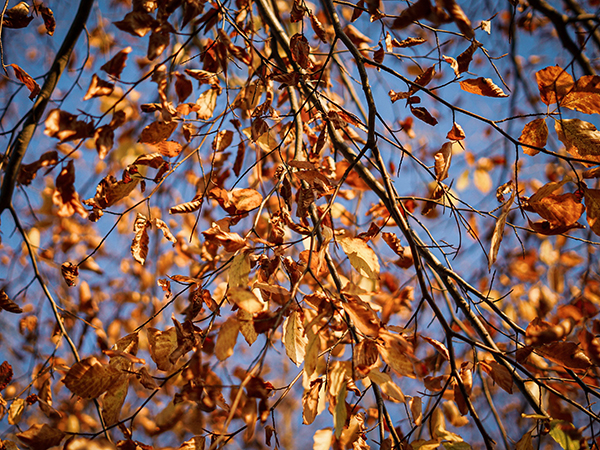
How to Help a Tree that Is Losing Its Leaves Prematurely
- By the dedicated team of editors and writers at Newsletter Station.
Trees are not just vital for our environment; they also add beauty and tranquility to our surroundings. However, if you notice a tree losing its leaves prematurely, it could be a sign that it is not in the best health. Various factors, including disease, pests, environmental stress, or improper care, can cause premature leaf loss.
In this blog, we'll explore how to identify the causes of premature leaf loss and provide tips on how to help your tree regain its health and vitality.
Identify the Cause
Before you can effectively help your tree, it's crucial to determine the underlying cause of premature leaf loss. Here are some common culprits:
Environmental Stress: Trees can suffer from stress due to drought, excessive watering, extreme temperature fluctuations, or poor soil quality.
Pests and Diseases: Insects, fungi, and bacteria can infest trees, causing leaf damage and loss. Common pests include aphids, scale insects, and caterpillars, while diseases like powdery mildew and rust can also affect leaves.
Root Issues: Problems with the tree's root system, such as root rot or compacted soil, can disrupt the tree's ability to take up water and nutrients, leading to leaf loss.
Improper Pruning: Overpruning or pruning at the wrong time of year can stress the tree and cause leaf loss.
Consult a Professional
If you're unsure about the cause of premature leaf loss or how to address it, consulting a certified arborist or tree care professional is a good idea. They can assess the tree's condition, accurately diagnose the problem, and recommend the best course of action.
Provide Adequate Watering
Proper watering is essential for the health of your tree. Different tree species have varying water requirements, so it's important to research your specific tree's needs. Generally, deep and infrequent watering is preferred to shallow, frequent watering. Use a soaker hose or drip irrigation system to ensure water reaches the root zone.
Mulch
Applying a layer of mulch around the base of your tree can help conserve moisture, regulate soil temperature, and improve soil quality. Be sure to maintain a mulch-free area around the trunk to prevent rot from occurring.
Prune Carefully
Pruning is necessary for tree maintenance, but it should be done judiciously. Avoid excessive pruning, especially during the growing season. Prune dead or diseased branches and remove any affected leaves to prevent the spread of disease.
Address Pest and Disease Issues
If pests or diseases are the culprits behind premature leaf loss, consult with a pest control or tree health expert to determine the appropriate treatment. This may involve using insecticides, fungicides, or other control measures.
Fertilize Appropriately
Fertilizing can help replenish nutrients in the soil, but it should be done with care. Too much fertilizer can harm your tree. A soil test can help determine if your tree needs specific nutrients, allowing you to apply a balanced fertilizer accordingly.
Protect Against Extreme Conditions
Extreme weather conditions, such as frost or heat waves, can stress your tree. Consider using protective measures, such as frost blankets in cold weather or shade cloth during heat waves.
A tree losing its leaves prematurely is a cause for concern, but with proper care and attention, you can help your tree recover and thrive. Begin by identifying the cause of the problem and then take the necessary steps to address it. Whether it's environmental stress, pests, diseases, or other factors, early intervention is critical to ensuring your tree's longevity and continued beauty in your landscape.
Remember that consulting with a tree care professional can provide valuable guidance in caring for your tree.