- By the dedicated team of editors and writers at Newsletter Station.
Buying a home is one of the most significant financial investments you'll ever make, and ensuring that you're making a sound decision is essential. While finding your dream home may be exciting, it's crucial not to let your emotions cloud your judgment.
To make an informed purchase, thoroughly inspect the property. Here, we'll discuss the essential things to inspect before buying a home.
Structural Integrity:
Start with the foundation and structure of the home. Look for cracks in the walls, ceilings, or floors, which could indicate foundation issues. Check for signs of water damage or leaks, as these can lead to costly repairs. Inspect the roof for any missing shingles or signs of damage.
Plumbing and Electrical Systems:
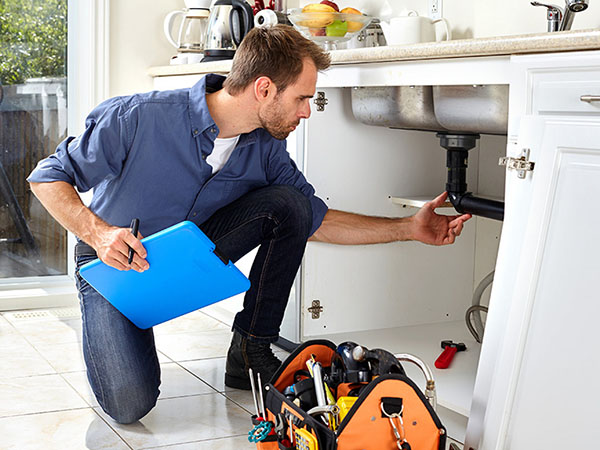
Ensure that all plumbing and electrical systems are in good working order. Turn on faucets, flush toilets, and check for leaks or unusual noises. Test all electrical outlets and switches to ensure they function correctly.
Heating and Cooling Systems:
Inspect the heating and cooling systems to ensure they are functioning efficiently. Request maintenance records and determine the age of the systems. Older systems may need replacement soon, which is an important factor to consider.
Insulation and Ventilation:
Proper insulation and ventilation are essential for achieving energy efficiency and maintaining comfort. Check for insulation in the attic and walls, and ensure that the home has proper ventilation to prevent moisture issues and mold growth.
Pest and Termite Inspection:
Hire a professional pest inspector to check for signs of pests and termites. These can cause extensive damage to a home and be expensive to eradicate.
Foundation and Basement:
Inspect the basement for signs of water damage or flooding. Inspect the foundation for cracks and any signs of structural damage. A damp or unstable foundation can lead to significant problems over time.
Windows and Doors:
Check the condition of windows and doors. Are they properly sealed, and do they open and close smoothly? Drafty windows and doors can lead to higher energy bills.
Appliances and Fixtures:
Test all appliances and fixtures to ensure they are functioning properly. If any are included in the sale, ensure they are in good condition.
Land and Property Boundaries:
Verify the property boundaries and land size to ensure they match the listing. You may want to hire a land surveyor for this task.
Environmental Factors:
Investigate the neighborhood for environmental factors that could affect your quality of life, such as noise levels, proximity to industrial areas, or potential hazards like flood zones.
Zoning and Regulations:
Check local zoning laws and regulations to ensure the property complies with them. This can affect what you can and cannot do with the property in the future.
Home Inspection by a Professional:
While you can inspect many things yourself, hiring a professional home inspector is highly recommended. They have the expertise and tools to uncover hidden issues you may miss.
Cost of Repairs and Renovations:
Assess the cost of any necessary repairs or renovations based on the inspections. Factor these costs into your budget and negotiations with the seller.
Future Resale Value:
Consider the potential resale value of the home. Research the neighborhood's real estate market trends and historical appreciation rates.
Home Warranty:
Inquire about the availability of a home warranty, which can provide peace of mind in the event of unexpected issues that arise shortly after your purchase.
Remember that a thorough inspection is not just about uncovering potential problems; it's also an opportunity to negotiate with the seller based on the findings. By investing time and effort into inspecting a home before buying it, you can make a more informed decision and avoid costly surprises.