The Power of Home Staging: How to Make Your Property Stand Out
- By the dedicated team of editors and writers at Newsletter Station.
In the competitive real estate market, first impressions truly matter. Whether you’re preparing to sell your home or list it for rent, presenting your property in its best light can significantly increase its marketability—and its value. That’s where home staging comes in.
Home staging involves decorating, arranging, and furnishing a property to highlight its most attractive features and help buyers or tenants envision themselves living there. A well-staged home not only photographs better for online listings but can also reduce time on the market and attract higher offers.
Let’s explore the key elements of successful home staging and how they can transform your property’s appeal.
Create a Clean, Inviting Foundation
The first step in home staging is to declutter and depersonalize. Remove excess items such as family photos, collectibles, and personal decor. A clean, minimalist environment helps potential buyers or renters picture their own lives in the space. Decluttering also makes rooms feel larger, brighter, and more open—qualities that buyers consistently prioritize.
Don’t forget storage areas—organized closets and tidy cabinets signal that the property is well cared for and offers plenty of room to live comfortably. If needed, consider short-term storage solutions for extra furniture or boxes.
Showcase Key Features and Style with Intention
Every home has standout features—whether it’s a cozy fireplace, gleaming hardwood floors, or large windows that flood the space with natural light. Arrange furniture and decor in ways that draw attention to these highlights. Avoid blocking windows or architectural details, and use mirrors or lighting to amplify visual appeal.
Stick to a neutral color palette to create an inviting, move-in-ready feel. Shades of white, beige, and soft gray appeal to the broadest range of tastes and make rooms appear more spacious. Accents like throw pillows, rugs, and wall art can introduce subtle pops of color without overwhelming the space.
Enhance Space, Add Finishing Touches, and Don’t Forget Curb Appeal
Strategic furniture placement can make even small spaces appear open and functional. Remove bulky or mismatched pieces that interrupt flow, and leave clear pathways between rooms. The goal is to help visitors visualize the layout and potential of each area.
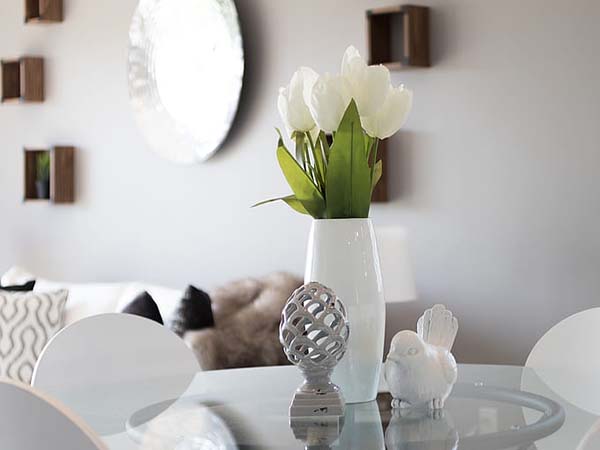
Next, focus on finishing touches—fresh flowers, modern light fixtures, crisp linens, and artwork that complements the home’s style. These details create warmth and polish, making the property feel both stylish and lived-in.
Finally, remember that curb appeal sets the tone before anyone even steps inside. A clean, well-kept exterior—trimmed hedges, a neat walkway, and a welcoming entry—signals pride of ownership. Simple upgrades like potted plants, a freshly painted front door, or outdoor lighting can make a lasting first impression.
For sellers seeking an extra edge, professional home staging services can be a smart investment. Certified stagers understand buyer psychology and design trends, using furniture and decor to highlight your home’s strongest features. According to the National Association of Realtors, staged homes sell up to 88% faster and for as much as 20% more than non-staged listings.
Home staging isn’t just about decorating—it’s about creating an emotional connection that inspires action. By decluttering, emphasizing key features, maintaining a neutral palette, and paying attention to curb appeal, you can make your property irresistible to potential buyers or renters.
Whether you’re selling or leasing, investing in home staging can help you close the deal faster—and potentially for a better price.