- By the dedicated team of editors and writers at Newsletter Station.
Embarking on do-it-yourself (DIY) projects can be a rewarding and cost-effective way to improve your home. However, not all home improvement tasks are suitable for the average homeowner to tackle without professional assistance.
Attempting specific projects without the necessary skills, knowledge, or tools can lead to costly mistakes, safety hazards, and even damage to your property. In this blog, we will highlight some home projects that you should never attempt to DIY.
Electrical Work
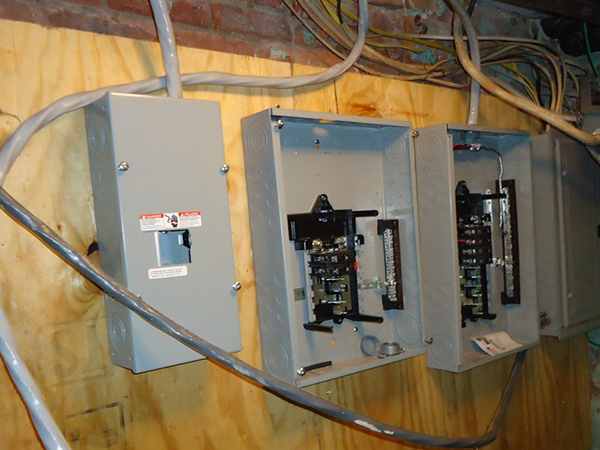
Electrical work is perhaps one of the riskiest DIY projects you can undertake. It involves complex wiring, circuits, and the potential for electrical shock or fire hazards. If you're not a licensed electrician, it's best to leave any electrical projects to the professionals. Even seemingly simple tasks, such as installing a new outlet or light fixture, can go awry if not done correctly.
Plumbing Repairs
Plumbing issues can range from minor leaks to major pipe repairs. While a minor leak might tempt you to grab a wrench and fix it, plumbing can be deceptively tricky. Incorrectly fixed leaks can lead to water damage, mold growth, or even more extensive plumbing problems. Leave plumbing repairs to experienced plumbers who can correctly assess and resolve the issue.
Roof Repairs or Replacement
Working on your roof can be dangerous and should not be taken lightly. Roofing projects require expertise and safety equipment that most homeowners don't possess. Climbing onto a roof without proper training and equipment can result in accidents and damage to your roof or your entire home. Roof leaks and replacements are best left to professional roofing contractors.
Structural Changes
Making structural changes to your home, such as removing load-bearing walls or altering the foundation, should never be done as a DIY project. These tasks require in-depth knowledge of engineering, building codes, and safety regulations. Improper structural modifications can compromise the stability of your home, putting you and your family at risk.
Gas Appliance Repairs
Working with gas appliances is highly dangerous if you lack the expertise. Gas leaks can lead to explosions or fires, and incorrect repairs can exacerbate the problem. When you suspect a gas appliance issue, always call a licensed professional who can safely diagnose and repair the problem.
Asbestos Removal
If your home was built before the 1980s, it may contain asbestos, a hazardous material linked to severe health issues. Attempting to remove asbestos-containing materials without proper training and equipment can release harmful fibers into the air, endangering both your health and that of your family. Licensed asbestos abatement professionals should always handle asbestos removal.
HVAC System Installation or Repair
Heating, ventilation, and air conditioning (HVAC) systems are complex and require specialized knowledge to install or repair. Incorrectly installed or repaired HVAC systems can result in energy inefficiency, poor indoor air quality, and costly repairs. Hiring a qualified HVAC technician for any work related to your heating and cooling systems is best.
While DIY projects can be a great way to save money and improve your home, it's essential to recognize your limitations and know when to call in professionals. Home projects involving electricity, plumbing, roofing, structural changes, gas, asbestos, and HVAC systems should always be left to experts to ensure safety, compliance with regulations, and the longevity of your home.
When in doubt, consult a licensed contractor or specialist to ensure the job is done correctly. Your home and your safety are worth the investment in professional expertise.