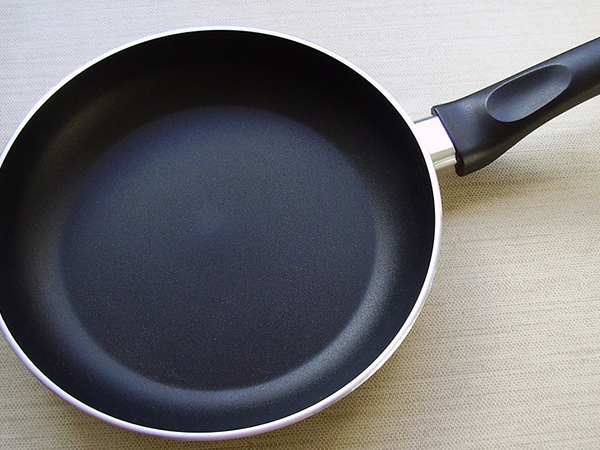
How to Clean and Care for Your Nonstick Pan: Tips for Long‑Lasting, Reliable Performance
- By the dedicated team of editors and writers at Newsletter Station.
Nonstick pans make everyday cooking easier, from flipping eggs to sautéing vegetables with minimal cleanup. But to keep them performing well, proper care is essential. With the right cleaning habits and maintenance techniques, your nonstick cookware can last for years without losing its slick surface or cooking efficiency.
This updated guide covers the best practices for protecting your nonstick coating, preventing damage, and extending the life of your favorite pan.
Choose the Right Utensils
Using the correct utensils is the first step in preserving your pan’s coating. Silicone, wood, and plastic tools protect the surface from scratches. Metal utensils can scrape the coating, reduce nonstick performance, and cause flaking.
Let the Pan Cool Before Cleaning
Avoid rinsing a hot pan under cold water. Sudden temperature changes can warp the pan and weaken the coating. Allow it to cool naturally before washing.
Hand Wash Gently
Dishwashers may seem convenient, but their high heat and harsh detergents can degrade nonstick coatings. Hand wash with mild dish soap and a soft sponge. Avoid abrasive scrubbers that can scratch the surface.
Skip Harsh Cleaners
Heavy‑duty cleaners, bleach, and abrasive chemicals can damage the coating. For stubborn residue, use a gentle paste of baking soda and water. It lifts stains without harming the pan.
Use Warm Water and Soft Scrubbers
Warm—not hot—water helps loosen food without causing thermal shock. Soft sponges designed for nonstick cookware are ideal for maintaining the coating’s integrity.
Avoid High Heat
Nonstick pans perform best at low to medium heat. High temperatures can break down the coating and release fumes. Cooking at moderate heat protects both the pan and your food.
Store Properly
Stacking pans can cause scratches. If you must stack, place a soft cloth or pan protector between items. Hanging nonstick pans is even better for preventing damage.
Season Occasionally
While nonstick pans don’t require seasoning like cast iron, applying a thin layer of oil occasionally can help maintain their slick surface and reduce sticking.
Keep Your Nonstick Pan Performing Its Best
With proper care—gentle cleaning, correct utensils, mindful heat use, and smart storage—your nonstick pan can deliver smooth, reliable cooking for years. These simple habits protect the coating, prevent wear, and ensure your cookware stays in excellent condition.