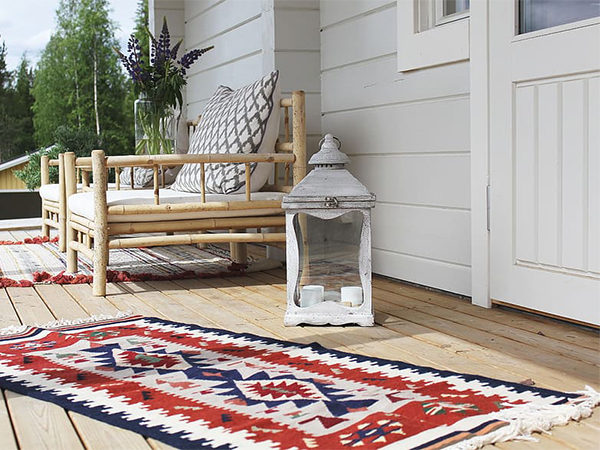
Indoor vs. Outdoor Rugs: How to Choose the Right Rug for Every Space
- By the dedicated team of editors and writers at Newsletter Station.
Rugs are a key element in interior and exterior design. They add warmth, texture, and personality while helping define different areas of a home. Whether placed in a living room, bedroom, hallway, or patio, the right rug can elevate the look and comfort of a space.
However, many homeowners are unsure about the difference between indoor and outdoor rugs. While they may appear similar at first glance, these rugs are designed for very different environments and levels of use. Understanding their materials, durability, maintenance needs, and design features can help you select the best option for each area of your home.
Below is a closer look at the key differences between indoor and outdoor rugs and how to choose the right one for your needs.
Materials and Overall Durability
One of the biggest differences between indoor and outdoor rugs is the materials used to make them.
Indoor rugs are often crafted from softer materials designed for comfort and style. Common indoor rug materials include:
Wool
Cotton
Silk
Polyester
Nylon
Viscose or blended fibers
These materials create a soft, cozy feel underfoot, making indoor rugs ideal for living rooms, bedrooms, and family rooms. However, many of these fibers are more sensitive to moisture and heavy wear.
Outdoor rugs, on the other hand, are made from highly durable synthetic materials designed to handle harsh conditions. Popular outdoor rug materials include:
Polypropylene
Recycled plastics
Acrylic blends
UV-resistant synthetic fibers
These materials are chosen specifically for their resistance to moisture, mold, and fading. As a result, outdoor rugs can withstand heavy foot traffic and changing weather conditions.
Resistance to Weather and Moisture
Indoor rugs are designed for climate-controlled environments. Exposure to moisture, direct sunlight, or extreme temperature changes can damage their fibers and colors. Water exposure may also lead to mold or mildew in natural-fiber rugs.
Outdoor rugs are built to handle the elements. They are typically:
Water-resistant or quick-drying
UV-resistant to prevent fading
Mold and mildew resistant
These features make outdoor rugs a smart choice for patios, decks, porches, poolside areas, and other outdoor living spaces. Some homeowners even use outdoor rugs indoors in high-traffic areas like mudrooms or kitchens because of their durability.
Style, Texture, and Design Options
Indoor rugs often emphasize comfort, luxury, and visual detail. They come in a wide range of styles, including:
Plush shag rugs
Handwoven wool rugs
Patterned area rugs
Vintage-inspired designs
These rugs may feature intricate patterns, layered textures, and rich color palettes that complement interior décor.
Outdoor rugs tend to prioritize durability and ease of maintenance. While older outdoor rugs often had limited design options, modern versions now come in a wide variety of colors, geometric patterns, and contemporary styles.
Although outdoor rugs usually have a flatter weave and firmer texture, they can still add style and definition to outdoor seating or dining areas.
Maintenance and Cleaning
Maintenance requirements also differ significantly between indoor and outdoor rugs.
,br>
Indoor rugs often require more careful care to maintain their appearance and longevity. Typical maintenance includes:
Regular vacuuming
Spot cleaning spills quickly
Occasional deep cleaning or professional rug cleaning
Delicate fibers may require specialized cleaning methods to avoid damage.
Outdoor rugs, however, are designed for simple upkeep. Many can be cleaned by:
Shaking out debris
Sweeping with a broom
Rinsing with a garden hose
Because they resist moisture and staining, outdoor rugs are often easier to maintain in busy households.
Best Uses for Indoor and Outdoor Rugs
Choosing the right rug depends on where it will be used and how much traffic the space receives.
Indoor rugs work best in:
Living rooms
Bedrooms
Dining rooms
Home offices
Family rooms
Outdoor rugs are ideal for:
Patios and decks
Covered porches
Poolside seating areas
Outdoor dining spaces
Entryways and mudrooms
In recent years, many homeowners have also started using outdoor rugs indoors in high-traffic areas because of their durability and easy cleaning.
Choosing the Right Rug for Your Home
Selecting the right rug involves balancing comfort, durability, and design. Indoor rugs offer softness and detailed style for interior living spaces, while outdoor rugs provide long-lasting performance in areas exposed to moisture, sunlight, and heavy use.
By understanding the key differences between these two types of rugs, you can choose options that enhance both the beauty and functionality of your home. With the right rug in the right space, you can create comfortable, stylish environments both indoors and outdoors.