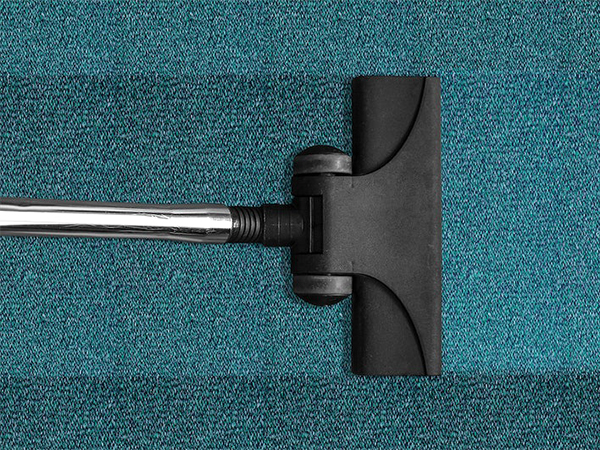
How to Vacuum Carpets Like a Pro: Tips for a Cleaner, Healthier Home
- By the dedicated team of editors and writers at Newsletter Station.
Keeping carpets clean is essential for maintaining a healthy, inviting home. While there are many carpet-cleaning methods, vacuuming remains the most effective and accessible way to remove dirt, dust, allergens, and pet hair. However, proper technique is key to maximizing your vacuuming results.
With the right approach, you can not only improve the appearance of your carpets but also extend their lifespan and support a healthier indoor environment.
Here’s a step-by-step guide to mastering the art of vacuuming your carpets.
Choose the Right Vacuum
Selecting the right vacuum cleaner is the foundation of effective carpet care. Consider factors such as carpet type, pile height, suction power, maneuverability, and available attachments. Upright vacuums with adjustable height settings and beater brushes are ideal for medium to high-pile carpets, while canister or stick vacuums may better suit delicate rugs or hardwood floors. Investing in a quality vacuum suited to your specific needs makes cleaning more efficient and ensures deeper dirt removal.
Prepare the Area
Before vacuuming, clear the floor of any obstacles, such as toys, small furniture, or pet bowls. Objects can block the vacuum’s path or get caught in the brush. Use crevice tools or specialized attachments to reach edges, corners, and under furniture. Taking a few extra minutes to prep the space ensures a more thorough, hassle-free cleaning session.
Pre-Vacuum Preparation
Loosen embedded dirt and debris by sweeping or brushing the carpet first. This step helps your vacuum perform more effectively. For visible stains or spills, consider spot-cleaning with an appropriate cleaner before vacuuming. Pre-treatment ensures a deeper, more even clean throughout your carpeted surfaces.
Adjust the Height
Different carpets require different vacuum heights. Adjust your machine so the beater brush makes proper contact with the fibers without causing damage. The right height ensures maximum dirt removal, prevents unnecessary wear on your carpet, and optimizes suction efficiency.
Vacuum Slowly and Methodically
Moving the vacuum slowly in overlapping straight lines provides a deeper clean than rushing through the job. Vacuum each section multiple times from different angles to dislodge dust, dirt, and allergens trapped in the fibers. Patience is key to achieving professional-level results.
Don’t Forget Edges and Corners
Edges and corners often collect dust that escapes regular cleaning. Use a crevice tool or edge-cleaning attachment to ensure these areas are thoroughly cleaned. Focusing on perimeters enhances the overall appearance and hygiene of your carpet.
Focus on High-Traffic Areas
Entryways, hallways, and living areas see the most foot traffic and therefore accumulate more dirt. Give these zones extra attention with overlapping passes or back-and-forth motions. Regular care in high-traffic areas helps maintain a uniform level of cleanliness throughout your home.
Maintain Your Vacuum
Regular maintenance keeps your vacuum working efficiently. Empty dust bags or canisters when half-full, and clean or replace filters according to the manufacturer’s guidelines. Proper care prolongs the machine’s life, improves suction, and ensures consistent cleaning performance.
Vacuuming isn’t just about running a machine over your carpets—it’s about technique, preparation, and consistency. By choosing the right vacuum, preparing your space, adjusting height settings, vacuuming methodically, and addressing edges, corners, and high-traffic areas, you can achieve cleaner, healthier carpets.
Master these best practices, and your carpets will look fresh, feel softer, and contribute to a cleaner, more inviting home for years to come.