Effective Exercises to Improve Balance and Stability
- By the dedicated team of editors and writers at Newsletter Station.
Maintaining good balance is essential for overall health, mobility, and confidence in everyday activities. Strong balance skills help improve coordination, support better posture, reduce the risk of falls, and enhance athletic performance. As we age, balance declines naturally, making regular balance-focused exercises even more important for long-term wellness and independence.
The good news is that balance can be improved at almost any age with consistent practice. Incorporating simple balance exercises into your fitness routine can strengthen stabilizing muscles, improve body awareness, and increase overall flexibility and coordination.
In this article, we’ll explore several effective exercises to improve balance and stability while supporting your overall physical health.
Why Balance Training Matters
Balance involves the coordination of multiple systems within the body, including:
Muscles and joints
Vision
Inner ear function
Nervous system communication
When these systems work together efficiently, your body can maintain stability during movement and daily activities. Regular balance exercises help strengthen this connection while improving reaction time and posture.
Benefits of balance training include:
Reduced risk of falls and injuries
Improved coordination and flexibility
Better athletic performance
Increased core strength
Enhanced mobility and independence
Greater confidence during movement
Whether you’re an athlete, active adult, or older individual looking to stay mobile, balance exercises can provide lasting physical and mental benefits.
Single-Leg Stands
Single-leg stands are one of the simplest and most effective exercises for improving balance and lower-body stability.
How to Perform:
Stand tall with your feet hip-width apart.
Slowly lift one foot off the floor.
Balance on the standing leg for 30 to 60 seconds.
Switch legs and repeat.
Tips:
Keep your core engaged.
Focus your eyes on a fixed point for better stability.
Hold onto a chair or wall if needed when starting.
As your balance improves, increase the challenge by:
Closing your eyes
Moving your arms
Slightly bending the standing leg
Standing on a softer surface
This exercise helps strengthen the ankles, legs, and core muscles that support balance.
Heel-to-Toe Walk
The heel-to-toe walk helps improve coordination, posture, and proprioception — your body’s awareness of movement and positioning.
How to Perform:
Walk in a straight line.
Place the heel of one foot directly in front of the toes of the opposite foot.
Move slowly and maintain control.
Continue for 10 to 20 steps.
Benefits:
Improves walking stability
Strengthens lower-body muscles
Enhances coordination and focus
For additional support, perform this exercise near a wall or sturdy surface until you feel more confident.
Tree Pose
Yoga poses are excellent for improving balance, flexibility, and concentration. Tree Pose is especially effective for building lower-body strength and body awareness.
How to Perform:
Stand tall with your feet together.
Shift your weight onto one leg.
Place the opposite foot on your inner calf or thigh, avoiding the knee.
Bring your hands together in front of your chest.
Hold for 30 to 60 seconds, then switch sides.
Benefits:
Strengthens the legs and core
Improves posture
Encourages mental focus and calmness
Regular yoga practice can also help reduce stress while improving overall mobility and flexibility.
Side Leg Raises
Strong hip muscles play a major role in maintaining balance and stability. Side leg raises target the hips, glutes, and core muscles.
How to Perform:
Stand with your feet hip-width apart.
Slowly lift one leg out to the side while keeping it straight.
Hold briefly at the top.
Lower the leg slowly.
Complete 10 to 15 repetitions on each side.
Tips:
Avoid leaning your body sideways.
Use a chair for support if necessary.
Add resistance bands or ankle weights as you progress.
This exercise helps improve stability during walking, climbing stairs, and daily movement.
Tai Chi
Tai Chi is a gentle, low-impact exercise that combines slow, controlled movements with deep breathing and mindfulness. It has become increasingly popular for improving balance and reducing fall risk, especially among older adults.
Benefits of Tai Chi:
Improves coordination and posture
Strengthens muscles and joints
Enhances flexibility
Promotes relaxation and stress reduction
Research continues to support Tai Chi as one of the most effective exercises for long-term balance improvement and mobility support.
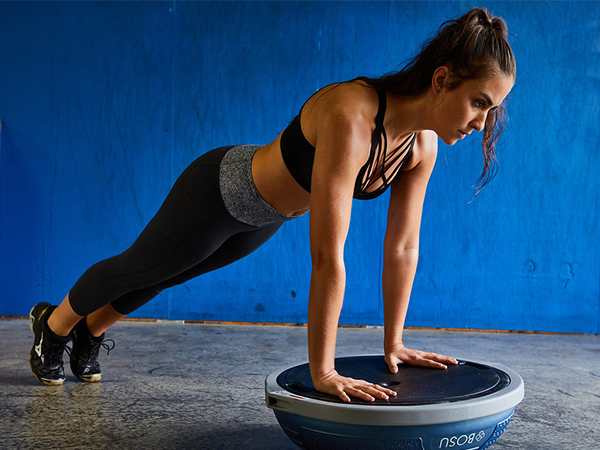
Bosu Ball Exercises
Using a Bosu ball or balance trainer introduces instability, challenging your core and stabilizing muscles.
Exercises to Try:
Squats
Lunges
Planks
Single-leg stands
Benefits:
Strengthens the core
Improves coordination
Enhances athletic performance
Builds joint stability
If you’re new to Bosu training, start with simple movements and gradually increase difficulty as your confidence grows.
Core Strengthening Exercises
Strong core muscles are essential for maintaining proper balance and posture. Weak core muscles can contribute to instability and increase fall risk.
Helpful core exercises include:
Planks
Bird-dog exercises
Bridges
Dead bugs
Improving core strength supports better movement control and overall stability during physical activity.
Safety Tips for Balance Training
When starting balance exercises:
Wear supportive footwear
Exercise near a stable surface if needed
Move slowly and with control
Start with beginner-friendly exercises
Stop if you feel dizzy or unsteady
Consistency is key. Practicing balance exercises just a few times each week can lead to noticeable improvements over time.
Improving balance is an important investment in your long-term health, mobility, and confidence. Regular balance exercises can help strengthen stabilizing muscles, improve coordination, reduce fall risk, and support better overall physical performance.
Whether you’re looking to stay active as you age, improve athletic ability, or move more confidently throughout daily life, incorporating balance training into your routine can provide lasting benefits.
Start slowly, remain consistent, and gradually challenge yourself as your strength and stability improve. Over time, you’ll likely notice better posture, greater confidence, and improved overall well-being.