Why Proper Exercise Form Matters More Than You Think
- By the dedicated team of editors and writers at Newsletter Station.
In fitness, there’s an undeniable appeal to heavy weights, high-intensity workouts, and pushing physical limits. While challenging yourself is important, one critical element is often overlooked in the pursuit of faster results: proper exercise form. No matter your experience level, form is the foundation of safe, effective, and sustainable training.
Proper form isn’t just a recommendation—it’s essential to maximizing results while minimizing risk. Understanding and prioritizing correct technique can transform workouts from short-term gains into long-term success.
Maximizing Muscle Engagement
Using proper form ensures the intended muscles do the work. Each exercise is designed to target specific muscle groups through specific movement patterns and alignments. For example, a properly executed squat emphasizes the glutes, quadriceps, and hamstrings while avoiding excess strain on the lower back or knees. Poor alignment shifts the workload away from target muscles, reducing effectiveness and increasing injury risk.
Preventing Injury
Injury prevention is one of the most important benefits of proper exercise form. Incorrect technique places unnecessary stress on joints, tendons, and ligaments, which can lead to strains, sprains, or chronic pain. Even experienced exercisers are vulnerable if form breaks down, especially during heavy or repetitive movements. Consistently practicing good form protects the body and keeps workouts safe and productive.
Enhancing Performance and Strength
Proper form doesn’t limit performance—it enhances it. Efficient movement patterns improve biomechanics, allowing you to lift more weight, perform more repetitions, and move with greater control. Correct technique also improves neuromuscular coordination, helping muscles work together more effectively and boosting overall strength and athletic performance.
Supporting Long-Term Fitness Goals
Fitness is a long-term commitment, not a short-term challenge. Prioritizing form builds habits that support sustainable progress. Good technique reduces the risk of overuse injuries and burnout, allowing you to train consistently over time. Longevity in fitness depends on how well you care for your body as you pursue strength and endurance.
Building the Mind-Muscle Connection
Proper form strengthens the mind-muscle connection, increasing body awareness and control. Focusing on precise movements helps you better isolate target muscles and improve muscle activation. This mindful approach turns workouts into purposeful training sessions rather than rushed routines, leading to better results and greater satisfaction.
How to Prioritize Proper Form
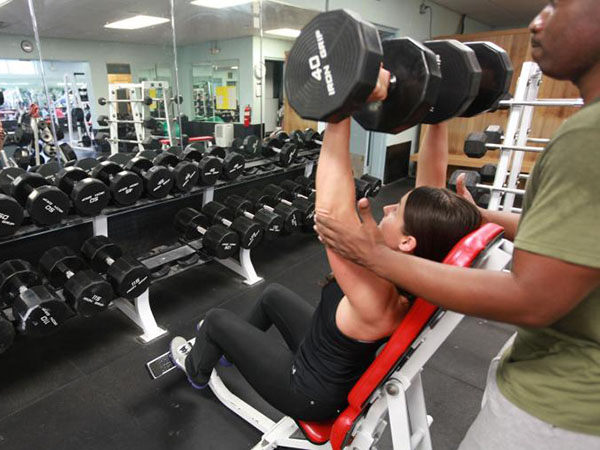
Improving form starts with education and patience. Learn correct techniques from certified trainers, credible instructional resources, or fitness professionals. Begin with lighter weights to master movement patterns before increasing intensity. Pay attention to how your body feels during each exercise, and don’t ignore pain or discomfort—these are often signals that form needs adjustment.
Proper exercise form is essential for maximizing results, preventing injuries, enhancing performance, and supporting long-term fitness success. It’s not about lifting the heaviest weight or completing the most repetitions—it’s about moving well and training smart.
When you prioritize form, you build strength, resilience, and confidence that carry through every stage of your fitness journey.