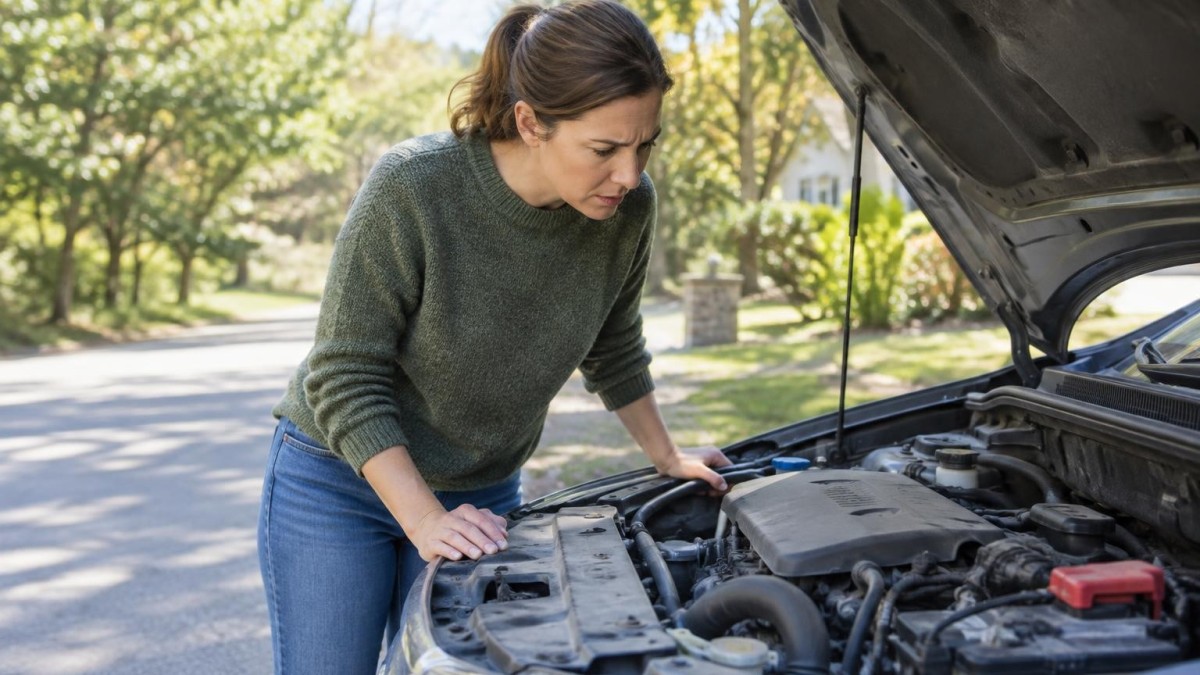
The Most Common Reasons Why Your Car Won’t Start
Common car starting problems involve the battery, ignition, starter, fuel delivery, or spark plugs, and regular maintenance helps prevent no-start issues.

Explore examples of the useful, professionally written articles available for your newsletter.
Common car starting problems involve the battery, ignition, starter, fuel delivery, or spark plugs, and regular maintenance helps prevent no-start issues.
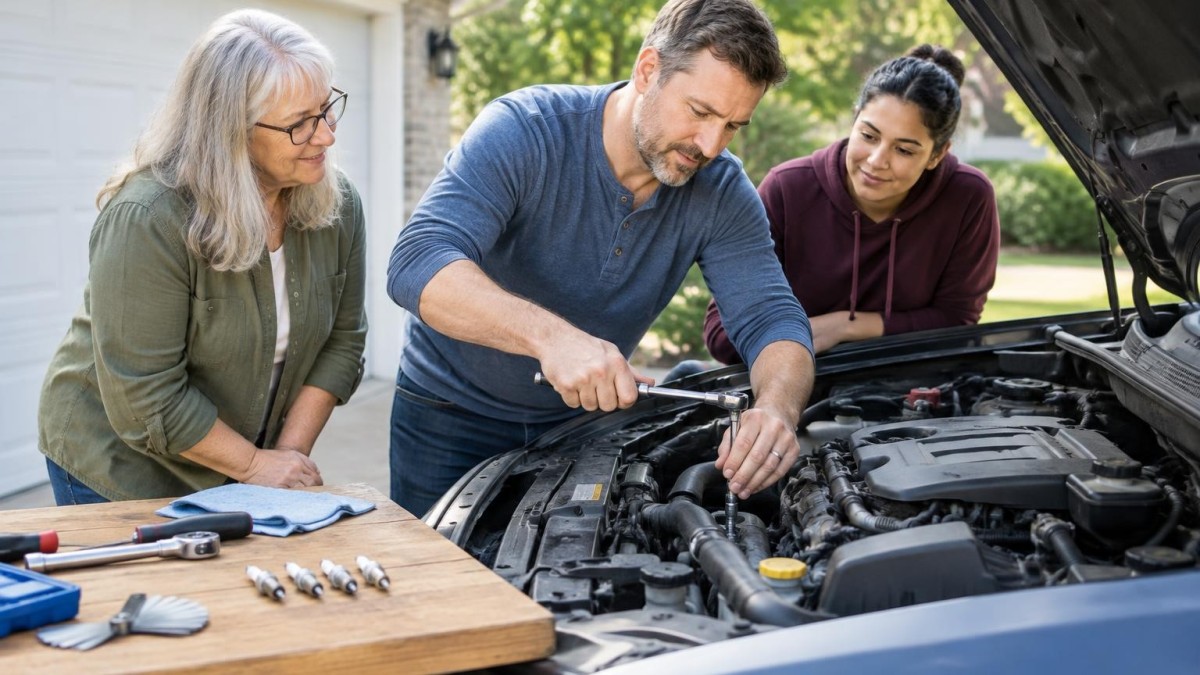
Learn practical, step-by-step advice for safely replacing your vehicle's spark plugs to improve performance and maintain smooth engine operation.
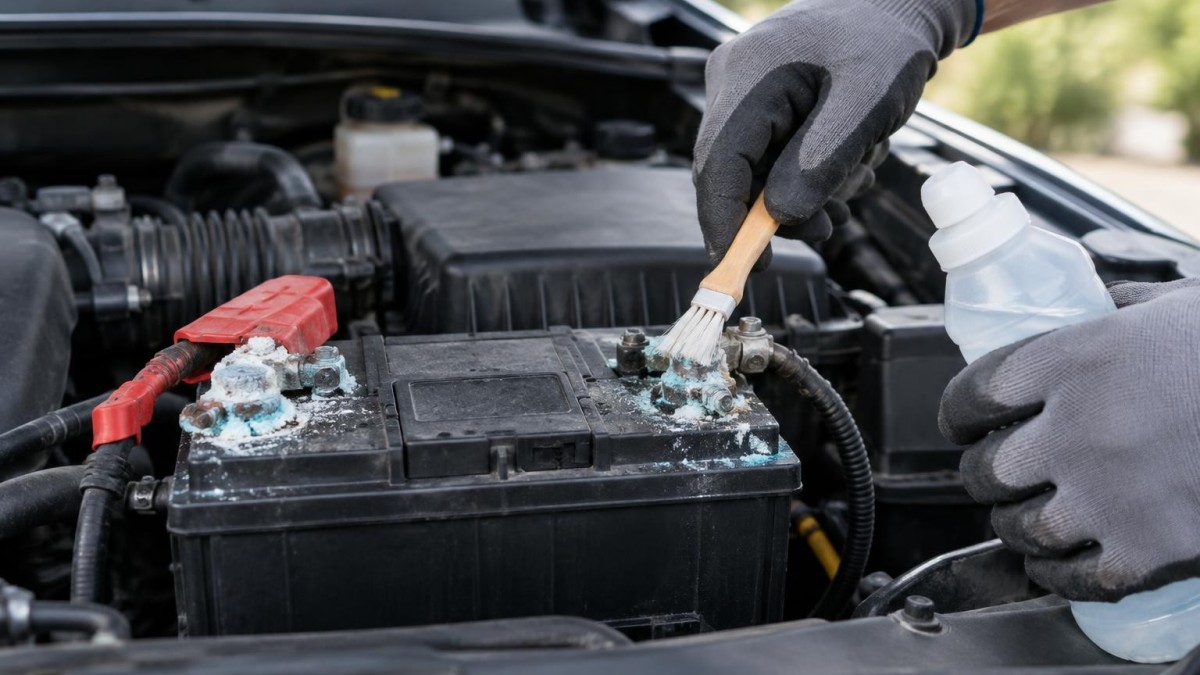
Corrosion on car batteries hinders performance but can be cleaned safely with baking soda and preventive care to ensure proper vehicle function and longer battery life.

A failing car exhaust system shows louder noise, poor fuel efficiency, strange odors, vibrations, warning lights, and rust, needing prompt attention.
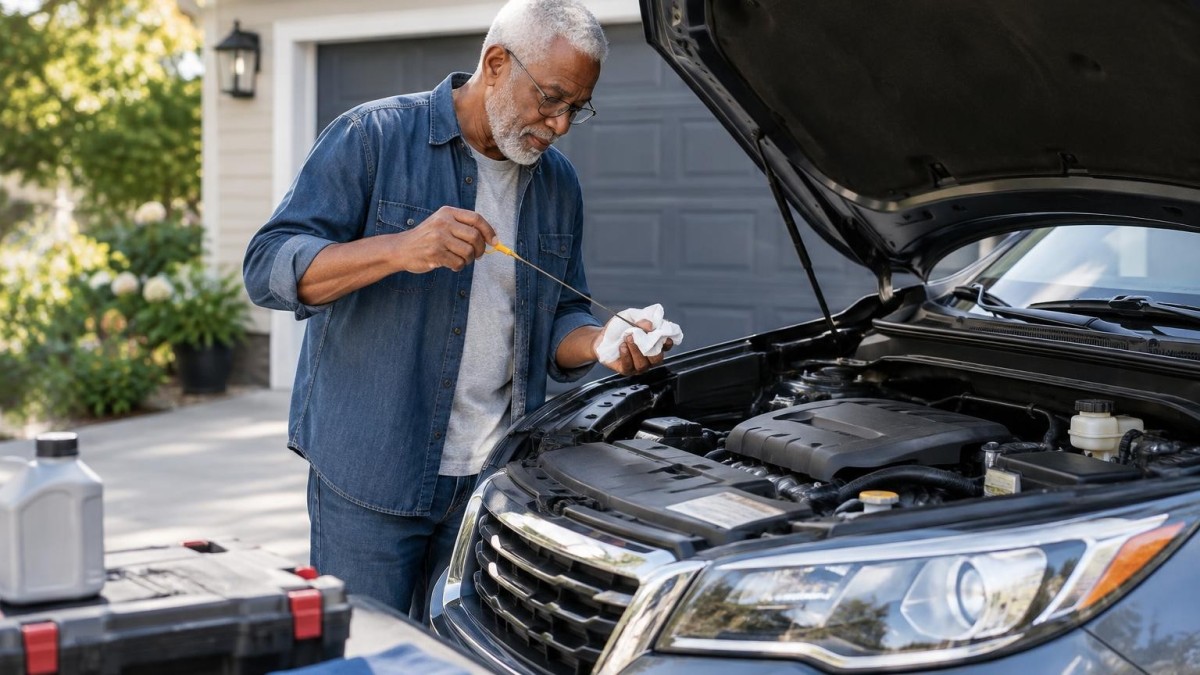
Learn essential car maintenance tasks including oil changes, tire care, brake checks, filter replacements, and battery upkeep to keep your vehicle safe, reliable, and running efficiently.
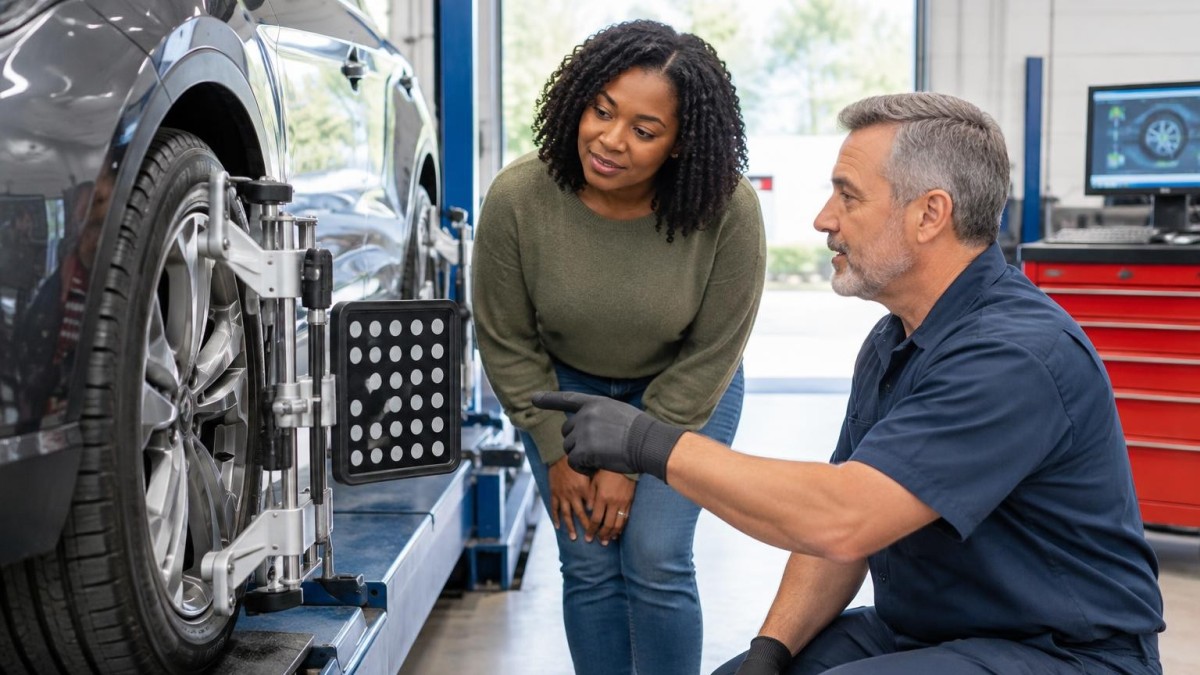
Misaligned wheels cause uneven tire wear, pulling, vibrations, and lower fuel efficiency. Early detection and professional alignment improve handling, safety, and tire life.

Uneven tire wear is caused by improper inflation, misalignment, worn suspension, aggressive driving, poor tire choice, and uneven loads, so regular checks are vital.
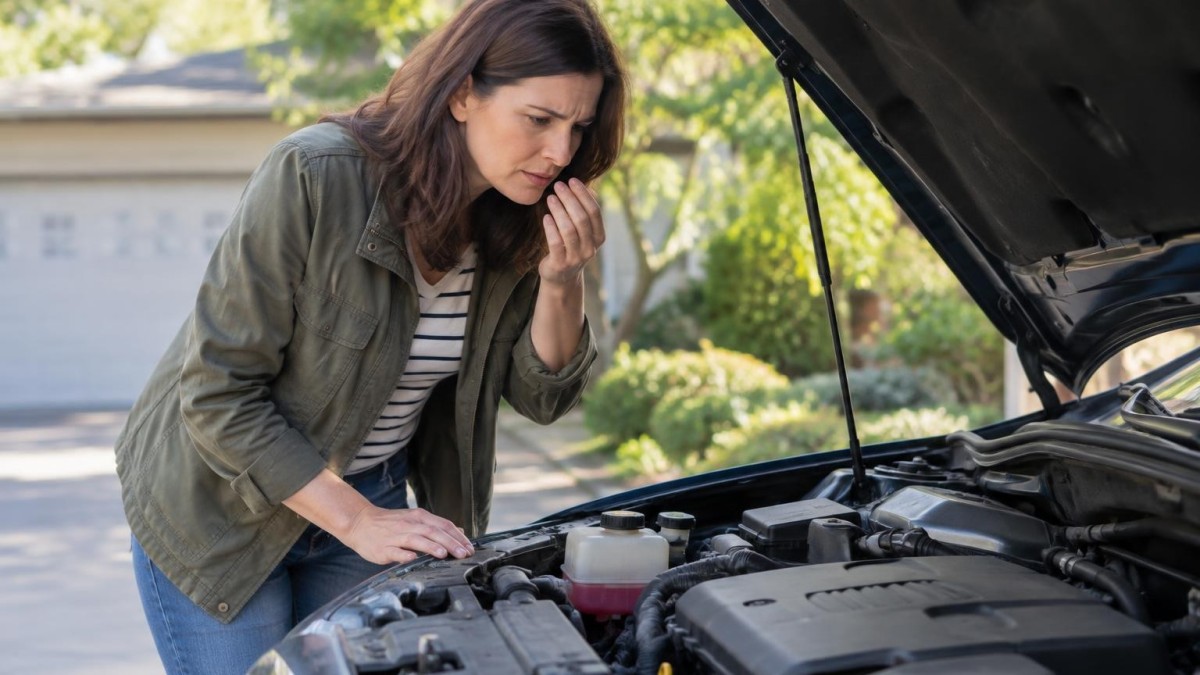
Unusual car odors can signal leaks, electrical issues, mold, or safety hazards. Learning to identify and respond to these smells helps prevent costly damage and ensures safer driving.
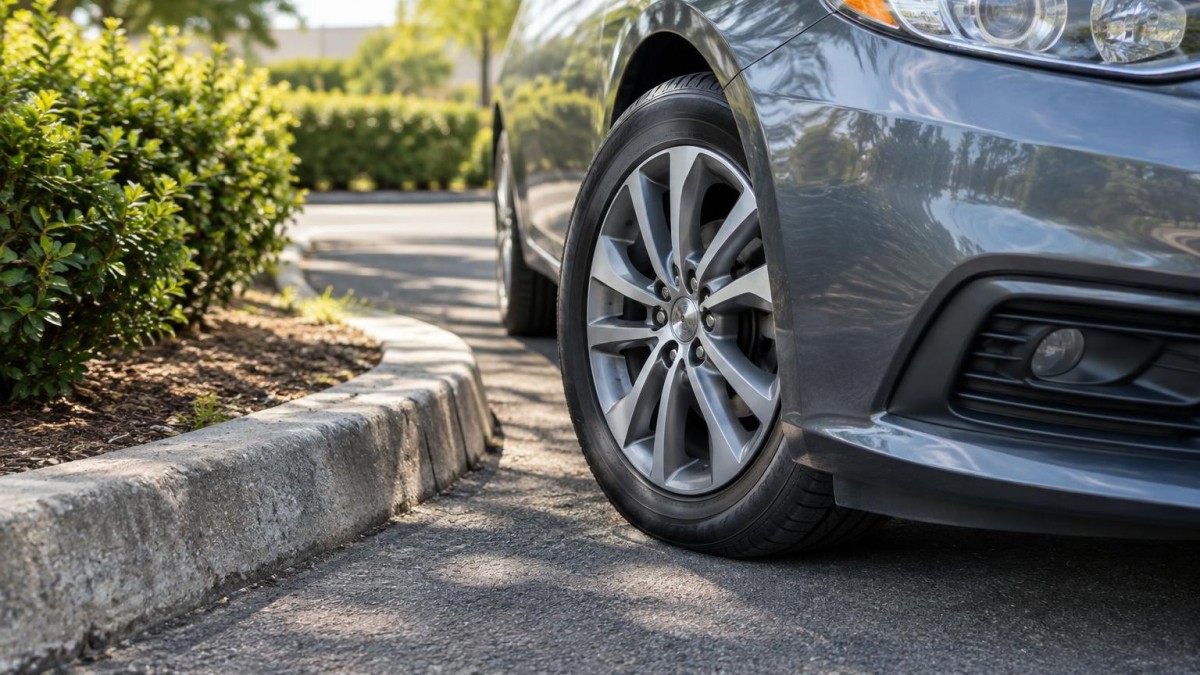
Hitting a curb can cause hidden tire, wheel, suspension, steering, and undercarriage damage that affects safety. Watch for signs and get a professional inspection promptly.
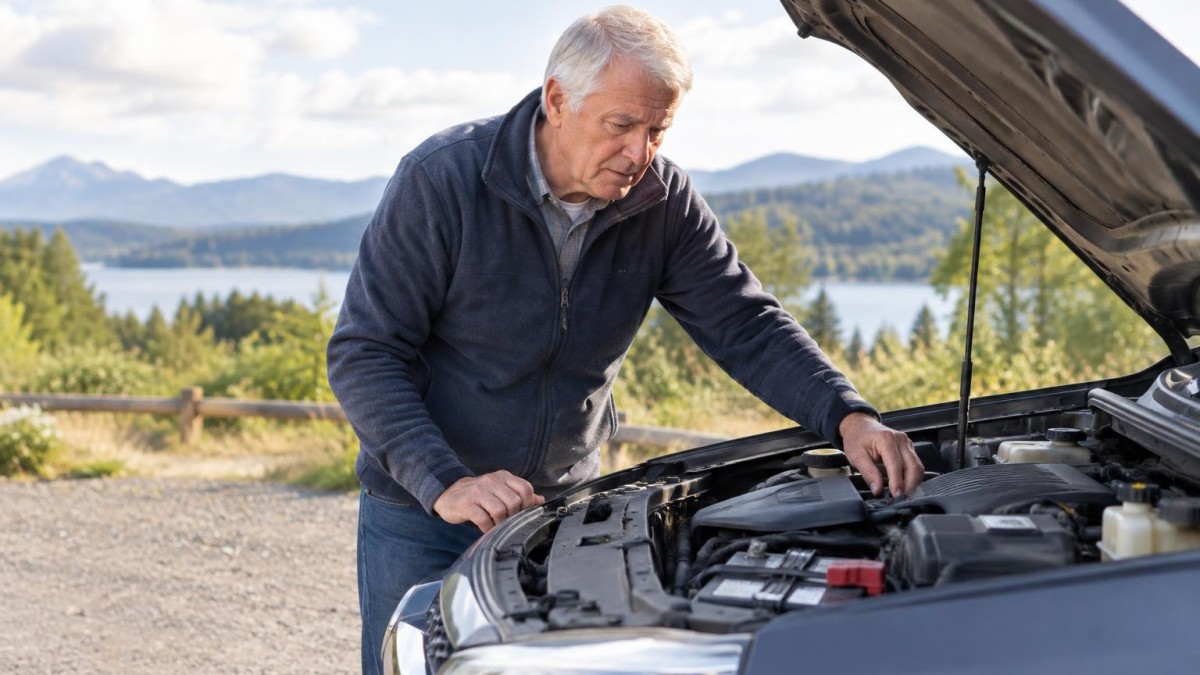
When your car won’t start, start with simple checks like the battery, fuel, ignition, key fob, and listen for noises. Careful observations can often reveal the issue before needing professional help.

Windshield cracks often start small but can worsen due to debris impact, temperature shifts, or stress. Prompt repair protects safety, visibility, and can save on costly replacements.

Checking your car's tire tread depth and wear patterns regularly helps ensure safety, improve handling, and detect alignment or suspension problems early.