
Start With the Battery and Basic Checks
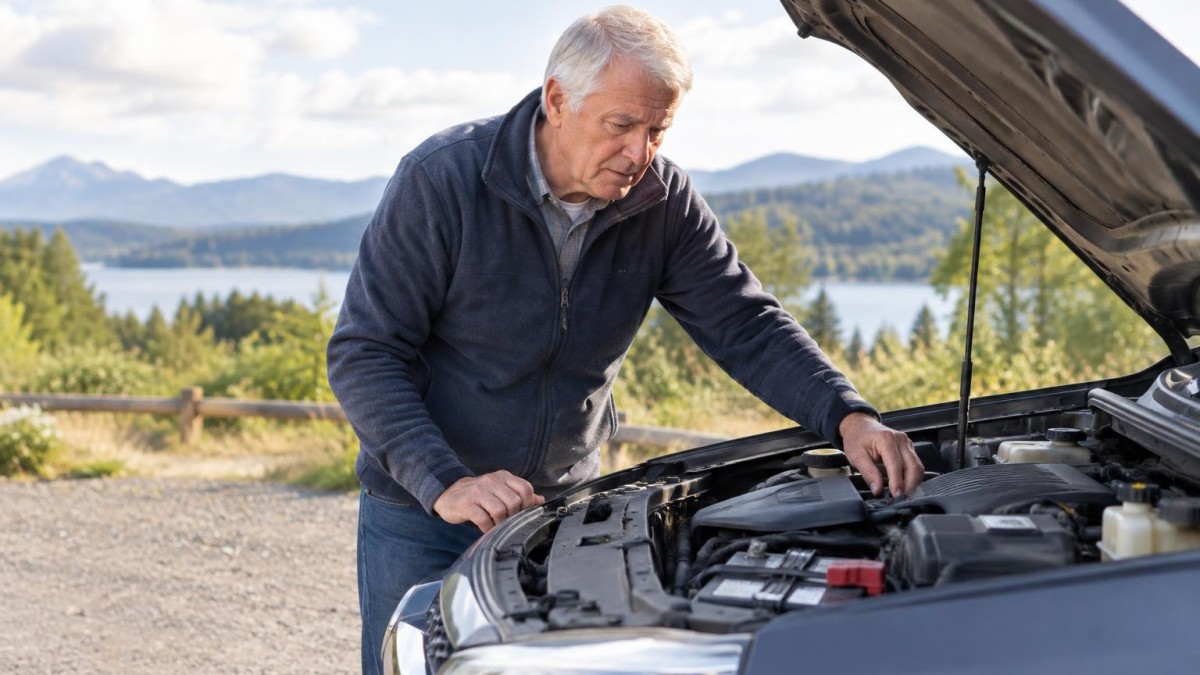
A car that won’t start is frustrating, but often the cause is something simple like a weak battery or low fuel. Begin by confirming your vehicle is in Park or Neutral, and if it’s a manual transmission, make sure you’re pressing the clutch fully. Check if your headlights or accessories were left on, which can drain the battery.
Next, listen carefully when you turn the key or press the start button. If you hear rapid clicking or the interior lights seem dim, the battery might be weak. Inspect battery terminals for corrosion or loose connections. If you have a multimeter, a healthy battery should read about 12.6 volts when the engine is off. A jump-start can help if the battery is discharged, but frequent jump-starting usually indicates a deeper battery or charging system problem.
Watch for Sounds and Dashboard Clues
Pay attention to what happens when you try to start the car. No sound could mean an electrical issue like a blown fuse, a faulty ignition switch, or a drained battery. A single click might point to starter or battery connections, while rapid clicking suggests insufficient battery power. If the engine cranks but won’t start, fuel delivery or ignition problems may be involved.
Check your dashboard for warning lights or messages. They can provide important clues and might direct you to a special starting procedure for your vehicle.
Fuel and Ignition Checks
Make sure you actually have fuel—sometimes the gauge isn’t accurate or the tank gets forgotten. If you recently ran out, the system might need time or a specific reset process. When fuel is present but the engine won’t start, troubles with the fuel pump or ignition system are possible. Problems like faulty spark plugs, ignition coils, or sensors can prevent the engine from firing.
Modern vehicles have complex systems, so avoid guessing which parts to replace. Professional diagnostics can save you time and money.
Consider the Electrical System and Key Fob
Starting the car relies on more than just the battery. Fuses, relays, wiring, and control modules all play roles. Don’t replace fuses with higher-amp ones, as this can cause further damage. If your vehicle uses a keyless start or immobilizer, a weak key fob battery might prevent recognition. Try a spare key or follow the owner’s manual for backup starting methods.
When to Call a Professional
If after basic checks your car still won’t start, or you hear grinding or other unusual noises, it’s best to stop and have a qualified technician diagnose the problem. Avoid working around fuel or electrical systems if you’re not experienced, and never attempt jump-starting a visibly damaged or frozen battery.
Remember, a car that won’t start doesn’t always mean an expensive repair. Careful observations and simple checks can often pinpoint the issue and help you get safely back on the road.
Newsletter Station provides professionally written, ready-to-send newsletters customized for your market and brand.
EXPLORE NEWSLETTER OPTIONS