
FEATURE ARTICLE
The Damage Hitting a Curb Can Do to Your Car
Apr 9, 2025
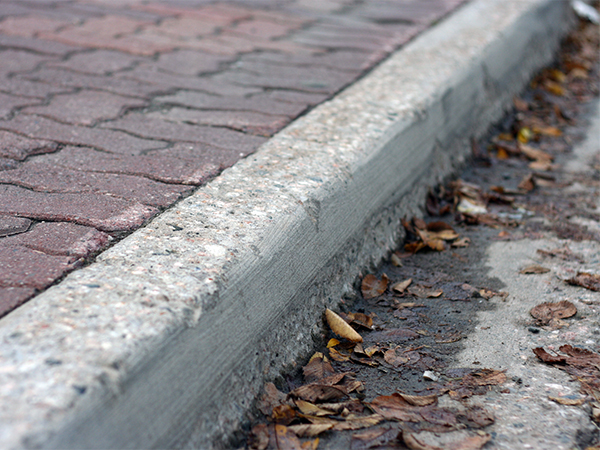
We've all been there – you're driving along, maybe in a rush or distracted for a split second, and suddenly, you hear that dreaded scraping sound as your car's tires make contact with the unforgiving curb. While hitting a curb might seem like a minor mishap, it can cause significant damage to your vehicle.
This blog will explore how hitting a curb can harm your vehicle and why taking such incidents seriously is crucial.
Timely repairs and maintenance can save you money in the long run and keep your car running smoothly and safely on the road. So, the next time you hear that scrape against the curb, don't underestimate the potential damage it could have caused your car.
This blog will explore how hitting a curb can harm your vehicle and why taking such incidents seriously is crucial.
- Tire and Wheel Damage
One of the most immediate and noticeable consequences of hitting a curb is damage to your car's tires and wheels. When your tire collides with a curb, it can cause a blowout, puncture, or sidewall damage. Even if the tire appears unharmed on the surface, it may suffer internal damage that can lead to slow leaks or sudden failures down the road. Furthermore, the impact can bend or crack your car's rims, making them unsafe to drive on and requiring expensive repairs or replacements. - Suspension and Alignment Issues
Your car's suspension system provides a smooth and stable ride. When you hit a curb, the force of the impact can damage suspension components such as control arms, struts, or shock absorbers. This damage can result in poor handling, uneven tire wear, and a less comfortable ride. Additionally, hitting a curb can knock your car's wheels out of alignment, causing steering problems and reducing fuel efficiency. Proper wheel alignment is essential for safe and efficient driving, so it must be checked and corrected if necessary after hitting a curb. - Steering and Handling Problems
Hitting a curb can also affect your car's steering and handling. If the impact is severe enough, it can damage the steering linkage, tie rods, or even the steering rack. This damage can lead to imprecise steering, difficulty maintaining vehicle control, and a potentially dangerous driving experience. Even minor curb impacts can result in misalignment issues that cause your car to pull to one side, requiring constant correction while driving. - Undercarriage Damage
When you hit a curb, the underside of your car is vulnerable to damage. Depending on the angle and force of the impact, you could scrape or dent the undercarriage, damage the exhaust system, or harm the transmission or oil pan. These components are essential for the proper functioning of your vehicle, and any damage to them can lead to expensive repairs and compromised performance. - Body and Cosmetic Damage
Beyond the mechanical aspects, hitting a curb can also result in cosmetic damage to your car's body. You may notice scratches, dents, or chipped paint on the bumper, fenders, or side panels. While these issues might seem purely aesthetic, if left unattended, they can lead to rust and corrosion over time. Repairing body damage can be costly, especially if it involves repainting or replacing parts.
Timely repairs and maintenance can save you money in the long run and keep your car running smoothly and safely on the road. So, the next time you hear that scrape against the curb, don't underestimate the potential damage it could have caused your car.