
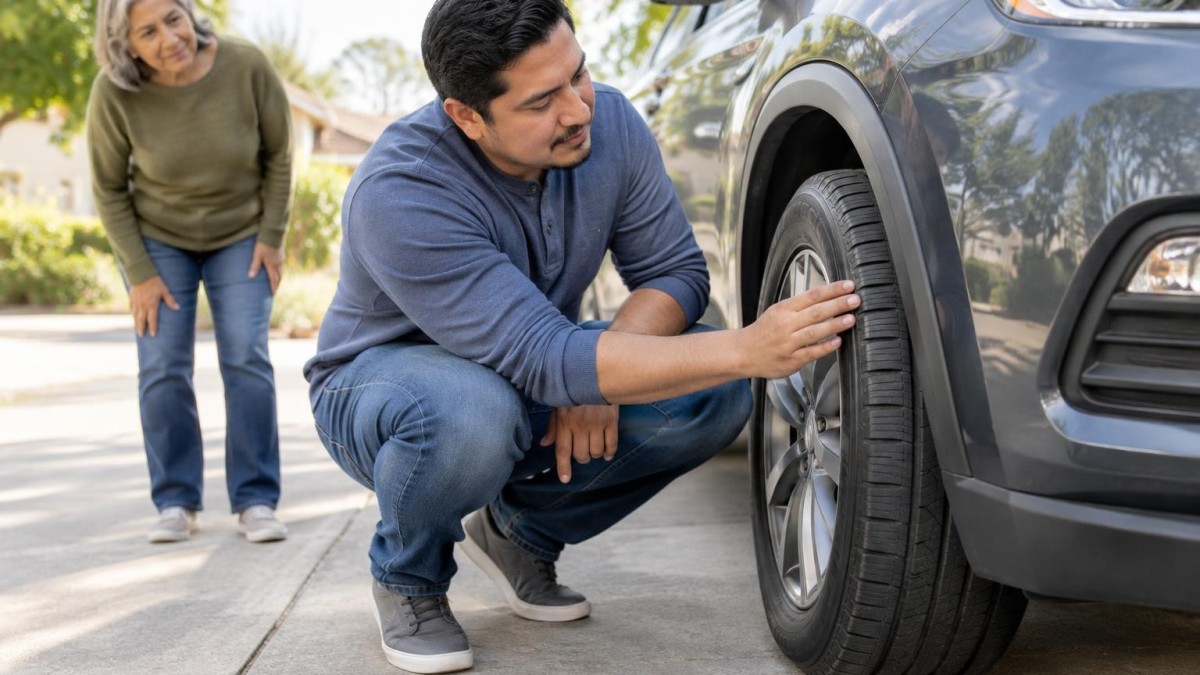
Why Tire Tread Matters More Than You Think
Your car's tires are its sole contact with the road, making their tread condition vital for safe driving. Beyond tire pressure, the tread pattern and depth reveal important clues about your vehicle's overall health and performance on the road.
Reading Your Tires for Safety
Tire tread consists of grooves and patterns designed to grip the road and channel away water, reducing the risk of slipping on wet surfaces. As tread wears down, traction decreases, increasing the chances of hydroplaning and loss of control, especially in rainy or snowy weather.
Maintaining adequate tread depth ensures better braking, steering response, and stability. Worn or uneven tread can signal issues with your vehicle’s alignment, suspension, or tire inflation, which can lead to unsafe handling or premature tire damage.
Spotting Uneven Wear and Its Causes
Uneven tire wear tells a story about your driving conditions and vehicle health. For example, wear on both edges often indicates underinflated tires, while excessive wear in the center points to overinflation. If more wear appears on one side, it could mean your alignment or suspension needs attention. Cupping or scalloped wear can signal suspension or balance problems.
Simply replacing tires may not fix uneven wear if underlying issues remain unaddressed, so having a professional inspection is important if you notice unusual patterns.
Easy Ways to Check Your Tread
Checking your tire tread is simple and doesn't require specialized equipment. Many tires have built-in tread wear indicators showing when they’ve reached minimum safe tread depth. For a more precise check, you can use an inexpensive tread depth gauge to measure tread in different spots across the tire.
While the old penny test is a quick home trick, it’s less reliable than an actual measurement or professional inspection, especially if your driving conditions vary.
When to Replace Tires and Consider Age
Tire tread should ideally be replaced before it reaches the legal minimum depth of 2/32 of an inch. Tires often lose traction in wet conditions before that point, so replacing earlier can improve safety. Also, keep in mind that tire age matters — even if tread looks fine, tires can degrade over time. Checking the manufacturing date on the sidewall can help you decide when to replace them.
Make Tire Checks Routine
Regularly inspect your tires for tread depth, wear patterns, cracks, bulges, or vibration while driving. Monitor your tire pressure and get tires professionally assessed if you notice any handling concerns. Keeping a close eye on your tire tread means better traction, safer driving, and can help catch mechanical issues early.
Newsletter Station provides professionally written, ready-to-send newsletters customized for your market and brand.
EXPLORE NEWSLETTER OPTIONS