
Understanding Battery Corrosion and Its Effects
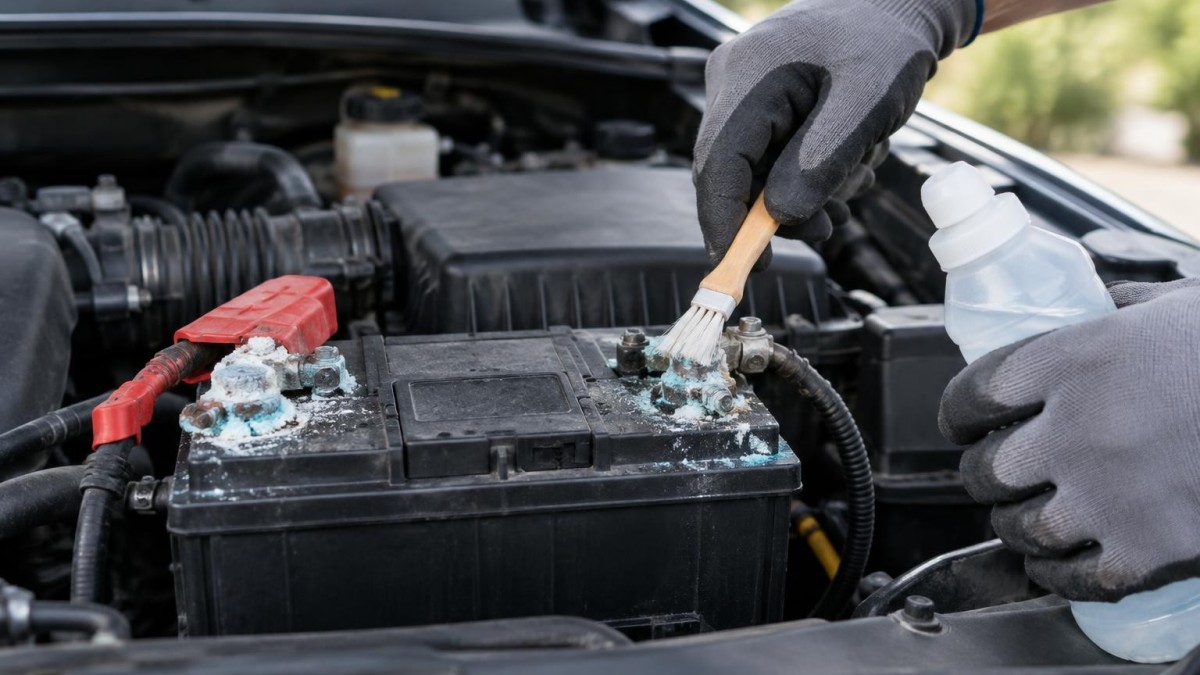
Corrosion on your car’s battery usually appears as a white, ashy, or bluish substance around the terminals and cables. This buildup results from chemical reactions between the battery acid and metals, often accelerated by moisture, dirt, or leaking battery fluid. While it might seem minor, corrosion can interrupt electrical connections, making it harder for your car to start and operate electronic components properly.
Detecting Corrosion and When to Act
You can often spot corrosion visually during routine checks under your car’s hood. If you notice discoloration or crusty deposits on the battery terminals or cable connections, it’s time to take action. Other warning signs include slow engine crank, dimming lights, or electrical issues—all potential symptoms of a battery struggling to deliver power due to corrosion.
Safe and Simple Steps to Clean Battery Corrosion
First, ensure your car is turned off with the keys removed for safety. Wear gloves and eye protection, as battery acid residues can be harmful. To clean, disconnect the negative terminal (usually marked with a minus sign or black cable) first, then the positive. Use a mixture of baking soda and water—about a tablespoon of baking soda to a cup of water—to neutralize the corrosion. Apply the solution gently with a small brush or cloth to the corroded areas. After scrubbing, rinse with clean water and dry everything thoroughly before reconnecting the terminals, attaching the positive cable first this time. Properly tighten the connections to ensure a strong electrical connection.
Regular inspections and prompt cleaning can prevent further corrosion and keep your battery working efficiently. If corrosion keeps recurring or the battery is old, consider having it tested or replaced by a professional to avoid unexpected breakdowns.
Newsletter Station provides professionally written, ready-to-send newsletters customized for your market and brand.
EXPLORE NEWSLETTER OPTIONS