
Keep Your Engine Running Smoothly with Oil and Tire Care
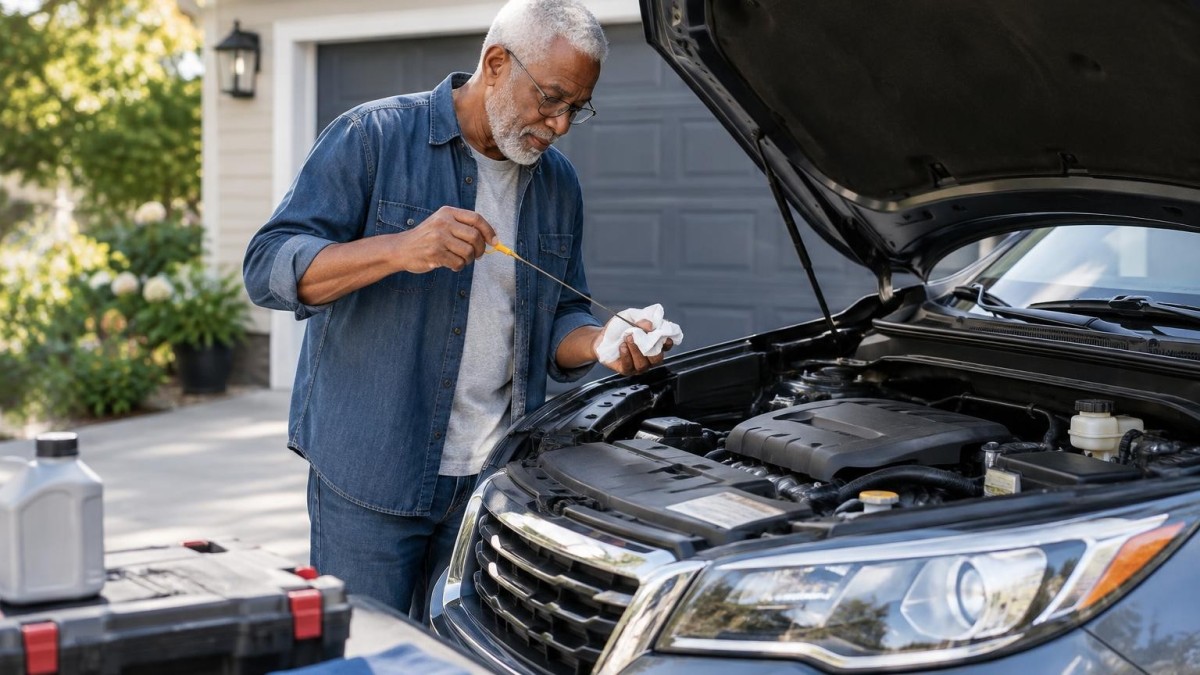
Regular oil changes are essential to keeping your engine well-lubricated and preventing overheating. While many newer vehicles allow intervals between 5,000 and 10,000 miles, it’s best to follow your owner’s manual or onboard alerts since driving conditions like frequent short trips or harsh environments may require more frequent oil changes.
Proper tire maintenance is just as important. Check your tire pressure monthly and before any long drives, using the recommended PSI from your vehicle’s guide rather than the maximum pressure printed on the tire. Also, watch for uneven tread wear or visible damage, as these can indicate alignment or suspension issues. Rotating your tires regularly helps them wear more evenly and last longer.
Monitor Brakes, Filters, and the Cooling System for Safety and Comfort
Brakes are critical to your safety on the road. Pay attention to any unusual sounds, changes in pedal feel, or if your vehicle pulls to one side when braking—these are signs to get your brakes inspected. Don't forget about brake fluid; it can absorb moisture over time, so it needs to be replaced according to the manufacturer’s schedule to maintain proper brake performance.
Engine and cabin air filters keep your car running efficiently and the air you breathe inside the vehicle clean. Dirty filters reduce performance and comfort, so replace them as recommended or more often if you frequently drive in dusty conditions.
The cooling system prevents engine overheating. Always check coolant levels when the engine is cold and look for leaks or erratic temperature readings. Coolant change intervals can differ widely between vehicles, so consult your owner’s manual.
Transmission, Battery, Suspension, and Visibility Checks Keep You Moving Safely
Transmission care depends on its type—automatic, manual, or otherwise—so follow the specific recommendations for your vehicle. If shifting feels rough or you hear unusual noises, have it inspected promptly to prevent costly damage.
A reliable battery is vital to starting your car. Testing it annually after about three years of use helps catch potential failure early. Keep battery terminals clean and securely connected. For hybrid or electric vehicles, follow the manual’s battery maintenance guidelines.
Wear and tear on steering and suspension components can affect ride quality and handling. Listen for unusual noises, watch for excessive bouncing, or note uneven tire wear; these signs mean it’s time for a professional checkup to keep you safe.
Maintaining good visibility is also key. Regularly check all your lights and replace any bulbs that have burned out. Swap wiper blades when they leave streaks or miss spots, and keep windshield washer fluid topped off with the appropriate solution for the season. Repair windshield chips quickly to prevent cracks from spreading.
Stay Organized and Proactive
Keeping a detailed service record—whether digitally or on paper—can help you track maintenance like oil changes and tire rotations. Your owner’s manual remains the best source for your vehicle’s maintenance schedule. Before any trip, do a quick check of your tires, fluid levels, lights, and wipers to catch potential issues early.
Routine car maintenance not only keeps your vehicle reliable and safe but also prevents bigger, costly problems down the road. Knowing what tasks to handle yourself and when to get professional assistance makes caring for your car much less stressful.
Newsletter Station provides professionally written, ready-to-send newsletters customized for your market and brand.
EXPLORE NEWSLETTER OPTIONS