- By the dedicated team of editors and writers at Newsletter Station.
Cleaning your home is necessary to maintain a healthy and pleasant living environment. However, it's essential to be aware of the potential dangers associated with mixing various cleaning chemicals. Some combinations can produce harmful fumes, reactions, or even explosions.
In this blog, we'll explore some common cleaning chemicals that should never be mixed to ensure your safety and the safety of your home.
Bleach and Ammonia
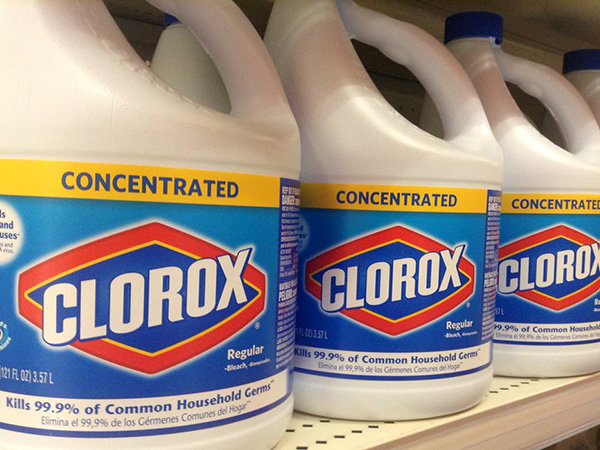
Mixing bleach and ammonia is one of the most dangerous chemical combinations to avoid. When these two chemicals come into contact, they produce a highly toxic gas called chloramine. Inhaling this gas can lead to severe respiratory problems, eye irritation, and, in extreme cases, death.
Bleach and ammonia are commonly found in household cleaning products, so it's crucial to read labels carefully and never use them together. Make sure the area is well-ventilated when using these chemicals separately.
Bleach and Vinegar
While bleach and vinegar are effective cleaning agents individually, they should never be combined. When mixed, they create chlorine gas, which is highly toxic and can result in breathing difficulties, coughing, and even chemical burns.
Instead, these two cleaners can be used separately for different cleaning tasks. If you need both in the same area, ensure thorough rinsing between applications to eliminate potential chemical reactions.
Hydrogen Peroxide and Vinegar
Hydrogen peroxide and vinegar are common cleaning agents that, when combined, create peracetic acid, a highly corrosive substance. The mixture can irritate the eyes, skin, and respiratory system and potentially lead to chemical burns.
To avoid risks, use these two cleaners separately and thoroughly rinse the surfaces after each application.
Baking Soda and Vinegar
Although many believe that combining baking soda and vinegar creates a powerful cleaning agent, they are actually more effective when used separately. When mixed, they produce carbon dioxide gas, causing pressure to build up in a closed container, which can lead to an explosion.
To maximize their cleaning potential, use baking soda to scrub surfaces and follow up with vinegar for a final rinse. This way, you can benefit from the cleaning properties without any risk.
Rubbing Alcohol and Bleach
Rubbing alcohol (isopropyl alcohol) and bleach should never be mixed. Combining them can result in the formation of chloroform and hydrochloric acid, both of which are harmful when inhaled. Inhaling chloroform can lead to dizziness, nausea, and headaches, while hydrochloric acid can cause respiratory issues and skin irritation.
To maintain safety, use these chemicals independently and never mix them for cleaning.
Cleaning your home is essential, but safety should always be a top priority. Mixing certain cleaning chemicals can lead to dangerous reactions, producing toxic fumes, corrosive substances, or even explosions. To ensure a safe and effective cleaning routine, always read product labels, use chemicals as directed, and avoid combining any cleaners known to react adversely.
It's crucial to protect yourself, your loved ones, and your home by being informed about the potential dangers associated with cleaning chemical mixtures.