How to Clean Hardwood Floors Naturally Without Harsh Chemicals
- By the dedicated team of editors and writers at Newsletter Station.
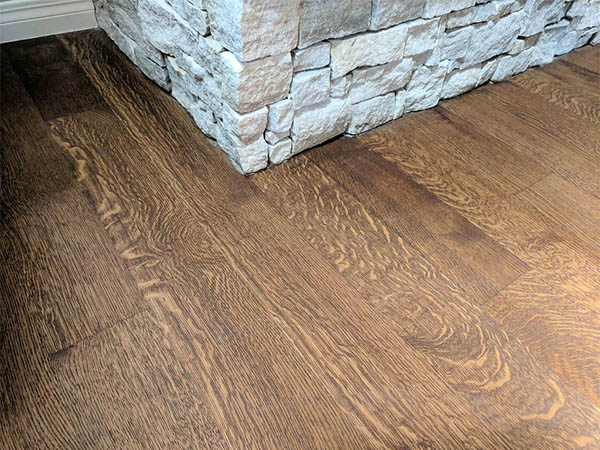
Hardwood floors bring timeless beauty, warmth, and value to any home. Their natural appearance can elevate both modern and traditional interiors, making them one of the most desirable flooring choices for homeowners. However, maintaining that rich finish and long-lasting durability requires proper care and cleaning techniques.
While many commercial floor cleaners promise quick results, some contain harsh chemicals that may dull the finish, leave residue, reduce indoor air quality, or even damage wood over time. As more homeowners seek eco-friendly, health-conscious cleaning solutions, natural hardwood floor care has become increasingly popular.
Fortunately, keeping hardwood floors clean and beautiful without harsh chemicals is easier than many people realize. With a few simple tools and natural ingredients, you can safely maintain your floors while creating a healthier home environment.
Sweep and Dust Frequently
One of the most important steps in hardwood floor maintenance is preventing dirt and debris from building up. Dust, sand, and small particles can act like sandpaper underfoot, leading to scratches and premature wear.
Use a soft-bristle broom, microfiber dust mop, or vacuum cleaner designed specifically for hardwood floors to remove debris regularly. Many newer vacuum models now feature hardwood-safe settings and rubber wheels that help prevent scuffing.
Frequent sweeping not only keeps floors looking polished but also helps preserve the protective finish over time.
Use a Damp Microfiber Mop
Microfiber mops remain among the safest and most effective tools for naturally cleaning hardwood floors. Their soft fibers trap dust, dirt, and grime without scratching delicate wood surfaces.
Lightly dampen the microfiber mop with water rather than soaking it. Excess moisture can seep into wood, causing warping, swelling, or discoloration over time.
For best results, clean high-traffic areas weekly and less-used spaces as needed. Regular light cleaning is often more effective than infrequent deep cleaning.
Try a Natural Vinegar Cleaning Solution
For sticky spots or tougher messes, a diluted vinegar solution can be a simple and effective natural cleaner. Mix equal parts white vinegar and water in a spray bottle, then lightly mist the affected area, and then wipe clean with a microfiber cloth.
Vinegar’s mild acidity helps break down grease and residue without relying on harsh chemicals. However, moderation is important. Overusing acidic cleaners may eventually affect some floor finishes, so occasional spot cleaning is typically the safest approach.
Always avoid saturating hardwood floors with liquid during cleaning.
Make Your Own Gentle Floor Cleaner
Homemade cleaning solutions are an affordable and environmentally friendly alternative to commercial products. A simple mixture of warm water and a few drops of mild dish soap or Castile soap can effectively clean hardwood floors while minimizing chemical exposure.
Natural cleaners are especially appealing to households with children, pets, or allergy sensitivities because they reduce exposure to artificial fragrances and harsh ingredients.
Before using any new solution across the entire floor, test it in a small, ll hidden area first to ensure compatibility with your floor’s finish.
Add Essential Oils for a Fresh Scent
If you enjoy a clean, refreshing aroma while cleaning, consider adding a few drops of essential oils to your homemade floor solution. Popular options include lemon, lavender, eucalyptus, or peppermint oils.
In addition to providing a pleasant scent, some essential oils offer mild antibacterial properties that can help naturally support a fresher home environment.
Be careful not to overuse oils, as excessive amounts can leave a residue on wood surfaces.
Avoid Excess Water and Steam
One of the biggest mistakes homeowners make when cleaning hardwood floors is using too much moisture. Hardwood is naturally porous, meaning excess water can seep into the wood and lead to warping, cupping, swelling, or finish damage.
Steam mops, while popular for other flooring types, are often not recommended for many hardwood floors because prolonged exposure to heat and moisture can weaken protective coatings.
Always wring out mops thoroughly and dry spills immediately to help protect the integrity of your flooring.
Protect Floors From Everyday Wear
You can also reduce wear by removing shoes indoors, especially high heels or footwear with hard soles that may leave marks.
Simple protective habits can significantly reduce long-term damage and keep floors looking newer for longer.
Maintain a Consistent Cleaning Routine
Consistency is key when caring for hardwood floors naturally. Establishing a regular cleaning routine helps prevent buildup that can become harder to remove later.
Weekly dusting, prompt spill cleanup, and occasional damp mopping can go a long way toward preserving the beauty and durability of your floors. Seasonal maintenance, such as checking humidity levels during winter and summer months, can also help minimize wood expansion and contraction.
Natural hardwood floor cleaning is a safe, effective, and environmentally friendly way to protect one of your home’s most valuable design features. By using gentle cleaning methods, avoiding harsh chemicals, and practicing preventative care, you can preserve the warmth, shine, and elegance of your hardwood floors for years to come.
With just a little routine attention and the right tools, maintaining beautiful hardwood flooring can be simple, affordable, and healthier for both your family and the environment.