- By the dedicated team of editors and writers at Newsletter Station.
Hardwood floors are a timeless and elegant feature in any home. They bring warmth, character, and lasting value to your living space while complementing a wide range of interior design styles. However, even the most durable hardwood flooring will show signs of wear over time. Daily foot traffic, furniture movement, pets, sunlight exposure, and moisture can gradually affect both the appearance and performance of your floors.
Fortunately, refinishing hardwood floors can restore their original beauty and extend their lifespan. By sanding away surface damage and applying a fresh protective finish, refinishing can make aging floors look refreshed and revitalized. But how do you know when it’s time to schedule this important maintenance service? Here are five key signs your hardwood floors may be due for refinishing.
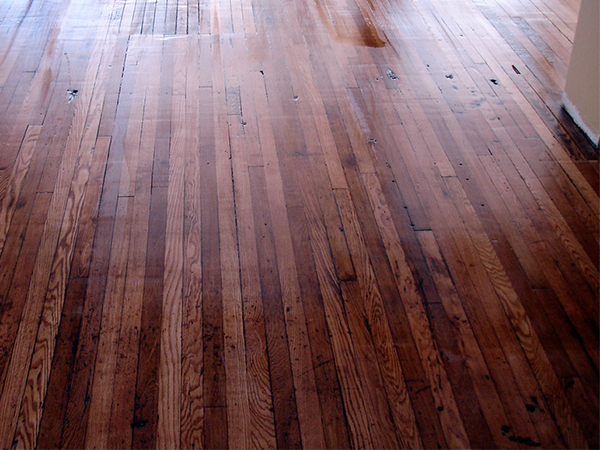
Visible Scratches, Dents, and Surface Damage
One of the most obvious signs that your hardwood floors need refinishing is the appearance of noticeable scratches, dents, gouges, and scuff marks. Over time, everyday activities can leave lasting impressions on the wood surface.
Common causes include:
Moving furniture without protective pads
Pet nails scratching the finish
Heavy foot traffic in hallways and entryways
Dropped objects and accidental impacts
While minor scratches may be purely cosmetic, widespread damage can make your floors look worn and neglected. Refinishing removes the damaged top layer, creating a smooth, uniform surface that restores the floor's original appearance.
Fading or Discoloration
Sunlight can significantly affect hardwood flooring over time. Prolonged exposure to UV rays often causes fading, discoloration, and uneven color patterns, especially in rooms with large windows or glass doors.
You may notice:
Areas covered by rugs remain darker than exposed sections
Uneven coloration across the room
A dull, washed-out appearance
Refinishing removes the faded finish and reveals fresh wood underneath. Homeowners can then choose to match the original color or update the look with a new stain for a completely refreshed appearance.
A Worn or Dull Finish
The protective finish on hardwood floors serves as a barrier against moisture, spills, dirt, and daily wear. Over time, this finish naturally breaks down.
Signs of a worn finish include:
Dull or cloudy-looking floors
Areas where the finish appears thin or missing
Peeling, flaking, or cracking finish
Floors that no longer shine after cleaning
When the protective coating wears away, the wood becomes more vulnerable to stains, scratches, and moisture damage. Refinishing replaces the old finish with a durable new protective layer, helping preserve your investment and maintain your floor’s beauty.
Water Damage or Moisture Issues
Water remains one of the greatest threats to hardwood flooring. Leaks, spills, flooding, or high indoor humidity can cause serious damage if left untreated.
Warning signs of moisture damage include:
Warped floorboards
Cupping or crowning
Buckling sections of flooring
Dark water stains
Mold or mildew odors
Before refinishing, it's important to identify and correct the source of moisture. Once the issue is resolved, refinishing can often help restore the floor’s appearance and prevent further deterioration. In severe cases, some boards may need replacement before the refinishing process begins.
Rough Texture and Splintering
A properly maintained hardwood floor should feel smooth and comfortable underfoot. If your floors feel rough, uneven, or splintered, it may indicate that the finish has worn away and exposed the wood fibers.
You might notice:
Rough patches in high-traffic areas
Raised wood grain
Small splinters
Uneven texture when walking barefoot
Sanding during the refinishing process smooths the surface and eliminates these imperfections, creating a safer and more comfortable floor for your family.
Additional Signs It's Time to Refinish
Beyond the common warning signs above, there are a few additional indicators that refinishing may be beneficial:
Deep stains that regular cleaning cannot remove
Increased difficulty keeping floors looking clean
Noticeable gaps or wear patterns in high-traffic areas
Floors that no longer enhance the overall appearance of your home
Professional flooring specialists can assess the condition of your hardwood floors and determine whether refinishing or more extensive repairs are necessary.
Protecting Your Hardwood Floors Between Refinishing Projects
While refinishing can dramatically improve the appearance of your floors, preventative maintenance helps maximize the time between refinishing services.
Consider these best practices:
Use felt pads under furniture legs
Place mats near entryways
Clean spills immediately
Maintain consistent indoor humidity levels
Sweep or vacuum regularly to remove abrasive dirt and debris
Use hardwood-floor-approved cleaning products
These simple habits can help preserve your floor's finish and reduce long-term wear.
Restore the Beauty of Your Hardwood Floors
Refinishing hardwood floors is one of the most effective ways to restore their beauty, durability, and value. If you notice visible scratches, fading color, a worn finish, water damage, or a rough texture, it may be time to consider professional refinishing services.
Regular maintenance and timely refinishing not only enhance your home's appearance but also help protect your investment for years to come. A well-maintained hardwood floor continues to add warmth, charm, and lasting value to your living space while standing up to everyday use.