- By the dedicated team of editors and writers at Newsletter Station.
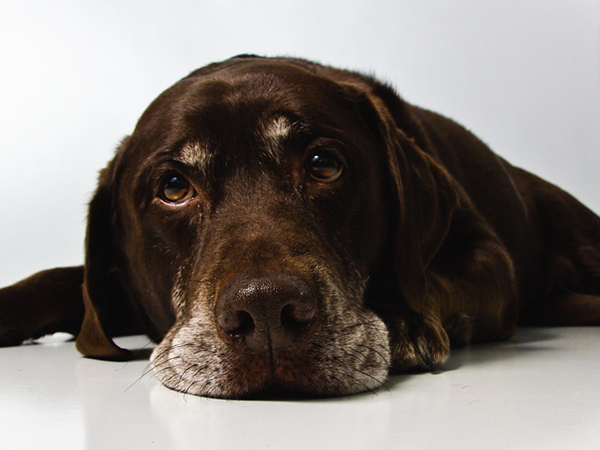
Dogs are naturally social animals that form deep bonds with their families. Their loyalty and affection are some of the many reasons they make wonderful companions. However, that strong connection can sometimes develop into separation anxiety—a condition where dogs experience significant stress or fear when left alone.
A dog with separation anxiety may become restless, bark excessively, chew furniture, scratch doors, have accidents indoors, or show other signs of distress when their owner leaves. These behaviors are not acts of disobedience; they are often a response to emotional discomfort.
The good news is that with patience, consistency, and the right approach, many dogs can learn to feel more comfortable when spending time alone. Here are effective strategies to help your dog manage separation anxiety.
Practice Gradual Departures and Arrivals
One of the best ways to reduce separation anxiety is to make leaving and returning less stressful.
Dogs often learn to associate certain actions—such as grabbing keys, putting on shoes, or picking up a bag—with being left alone. These “departure cues” can trigger anxiety before you even walk out the door.
Try practicing calm, gradual departures:
Pick up your keys without leaving.
Put on your coat and sit back down.
Step outside for a few seconds, then return.
Slowly increase the amount of time you are away.
When you return home, keep greetings calm and avoid creating a dramatic reunion. This helps your dog learn that departures and arrivals are normal parts of the day.
Create a Safe and Comfortable Space
A designated safe space can help your dog feel secure while you are away.
This area might include:
A comfortable bed or crate
Favorite toys
A blanket with familiar scents
Puzzle feeders or enrichment activities
Fresh water
The goal is to create a positive environment where your dog feels relaxed. Avoid using the space as punishment, as it should always represent comfort and safety.
Maintain a Consistent Routine
Dogs often feel more secure when they know what to expect. A predictable daily routine can reduce stress and provide a sense of stability.
Try to keep regular times for:
Feeding
Walks
Exercise
Playtime
Rest
While every schedule cannot be perfectly consistent, a general routine can help your dog better understand when you leave and when you return.
Provide Physical Exercise and Mental Stimulation
A dog with excess energy may have a harder time relaxing when alone. Before leaving, provide opportunities for physical activity and mental enrichment.
Helpful activities include:
Walks or outdoor play
Training exercises
Interactive puzzle toys
Snuffle mats
Treat-dispensing toys
Mental stimulation is especially important because it gives dogs something positive to focus on while you are away.
Use Counterconditioning Techniques
Counterconditioning changes how your dog feels about being left alone by creating positive associations with departure cues.
For example, if your dog becomes anxious when you pick up your keys, pair that action with something enjoyable:
Give a special treat.
Offer a favorite toy.
Provide a food puzzle.
Over time, your dog may begin to associate those cues with positive experiences rather than fear.
Gradually Increase Alone Time
Desensitization involves slowly helping your dog become comfortable with longer periods of separation.
Start with a short amount of time away—just a few minutes if necessary. Return before your dog becomes distressed, then gradually increase the duration.
Moving too quickly can increase anxiety, so progress should be based on your dog's comfort level.
Avoid Punishment
Dogs with separation anxiety are not trying to misbehave. Destructive behaviors, barking, or accidents are usually signs of stress rather than intentional actions.
Punishing your dog after returning home can make anxiety worse because your pet may become even more fearful about being alone.
Instead, focus on rewarding calm behavior and building confidence.
Consider Calming Tools and Support Products
Some dogs benefit from additional calming tools. Options may include:
Pheromone diffusers designed for dogs
Calming music
Anxiety wraps
Interactive toys
White noise machines
These tools may help some dogs relax, but they work best when combined with behavior training and a consistent routine.
Seek Help From a Veterinarian or Professional Trainer
If your dog's separation anxiety is severe or does not improve with training, professional support can make a significant difference.
A veterinarian can help rule out medical concerns and discuss possible treatment options. In some cases, medication may be recommended alongside behavior modification.
A professional dog trainer or veterinary behaviorist can also provide personalized strategies to help your dog build confidence and independence.
Consider Companionship Carefully
Some owners wonder if getting another pet will solve separation anxiety. While some dogs enjoy having a companion, another animal is not always the answer.
Separation anxiety is usually related to being away from a specific person, not simply being alone. If considering another pet, make sure both animals are a good match and that the decision fits your lifestyle.
Be Patient and Supportive
Helping a dog overcome separation anxiety takes time. Every dog responds differently, and progress may happen gradually.
Celebrate small improvements, such as:
Remaining calm when you leave
Relaxing in their safe space
Spending slightly longer periods alone
Showing less stress during departure routines
Consistency, encouragement, and positive reinforcement are key.
Helping Your Dog Feel Confident When Alone
Separation anxiety can be challenging for both dogs and their owners, but it is a manageable condition with the right approach. By creating a predictable routine, using gradual training methods, providing enrichment, and seeking professional help when needed, you can help your dog feel safer and more independent.
Your patience and understanding play an important role in your dog's progress. With time and support, many dogs can learn that being alone does not mean being abandoned—and that you will always come home.