- By the dedicated team of editors and writers at Newsletter Station.
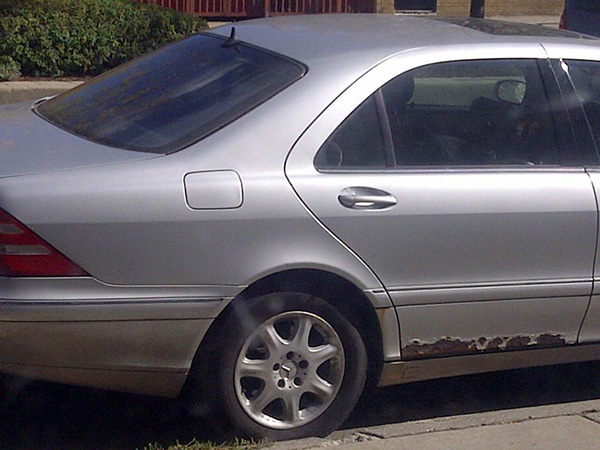
Rust is the arch-nemesis of any car owner. It's unsightly and can damage your vehicle over time if left unchecked. Fortunately, you don't need to rush to the auto body shop every time you spot rust on your car. With some elbow grease and DIY solutions, you can tackle this problem yourself.
This blog will explore some effective DIY methods for removing car rust and preventing its return.
Gather Your Supplies
Before you start tackling that rust, gather all the necessary tools and supplies. You'll typically need:
Safety gear: gloves, safety glasses, and a dust mask.
Rust remover: Commercial rust removers or homemade solutions like vinegar and baking soda.
Sandpaper: Get various grits, including coarse, medium, and fine.
Rust converter or primer: To prevent rust from returning.
Paint and clear coat: Match your car's color for a seamless finish.
Paintbrushes and masking tape: For precision during painting.
Identifying and Assessing the Rust
Not all rust is the same, and it's important to assess the extent of the damage before beginning any DIY rust removal process. Surface rust can often be tackled with simple methods, while more severe rust may require professional help.
Surface rust: Appears as small spots on the surface, often on the car's body or frame.
Scale rust: Progresses further and can cause pitting on the metal.
Penetrating rust: The most severe stage can eat through metal and compromise structural integrity.
Removing Surface Rust
For surface rust, follow these steps:
Start by cleaning the affected area thoroughly with soap and water. Let it dry completely.
Use a wire brush to scrub loose rust particles and flaking paint.
Apply a rust remover (commercial or homemade) to the affected area. Follow the product's instructions.
Scrub the rusted area with fine-grit sandpaper until the rust is gone.
Clean the area again, then apply a rust converter to prevent further rusting.
Finish by priming and painting the area to match your car's color.
Dealing with Scale Rust
If you're dealing with scale rust, you may need to be more aggressive:
Start cleaning and drying the affected area, like surface rust.
Use a wire brush or abrasive wheel to remove the rust, going beyond the visibly affected area to eliminate all rust.
Apply a rust converter to stop further rusting.
Fill any pits or deep scratches with body filler, sand it smooth, and then prime and paint the area.
Tackling Penetrating Rust
For penetrating rust, it's often best to consult a professional, as the structural integrity of your vehicle may be compromised. Attempting to repair penetrating rust without proper equipment and expertise could pose safety risks.
Rust Prevention
After successfully removing rust, the key is to prevent it from coming back:
Regularly wash your car to remove salt, dirt, and other contaminants that can accelerate rust.
Apply a wax or sealant to protect the paint and keep moisture from the metal.
Inspect your vehicle regularly for any signs of rust, especially in vulnerable areas like wheel wells and undercarriage.
Touch up any paint chips or scratches promptly to prevent rust from starting.
Rust doesn't have to end your car's life. With the right tools, materials, and know-how, you can tackle rust issues independently. Remember to take safety precautions and assess the severity of the rust before diving in. Regular maintenance and prevention are crucial to keeping your car looking good and rust-free for years to come.