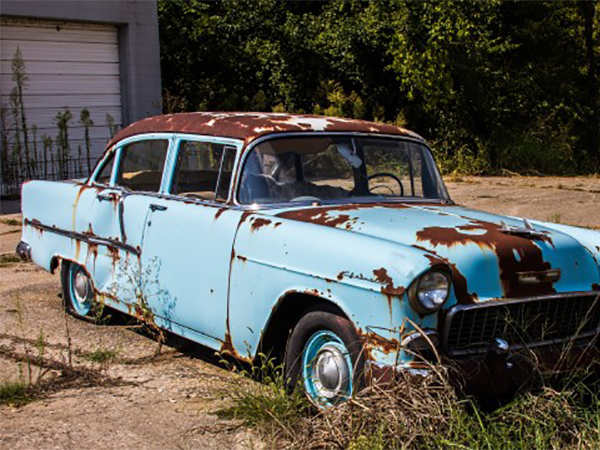
Common Car Care Mistakes That Can Shorten Your Vehicle's Lifespan
- By the dedicated team of editors and writers at Newsletter Station.
Your vehicle is one of the biggest investments you'll make, and proper maintenance is the key to keeping it reliable, safe, and running efficiently for years. While today's vehicles are built to last longer than ever, poor maintenance habits and overlooked warning signs can significantly reduce their lifespan and lead to costly repairs.
Fortunately, many of the most common mistakes are easy to avoid. By following a few simple maintenance practices, you can protect your investment, improve performance, and reduce the likelihood of unexpected breakdowns.
Skipping Routine Maintenance
One of the biggest mistakes vehicle owners make is postponing regular maintenance. Oil changes, filter replacements, tire rotations, brake inspections, and fluid checks all play an important role in keeping your vehicle operating properly.
Neglecting scheduled maintenance can lead to:
Increased engine wear
Reduced fuel efficiency
Premature component failure
More expensive repairs
Always follow the maintenance schedule outlined in your owner's manual, as service intervals vary by manufacturer and driving conditions.
Ignoring Dashboard Warning Lights
Modern vehicles continuously monitor critical systems and alert drivers when attention is needed.
Common warning lights include:
Check Engine
Oil Pressure
Battery
Tire Pressure Monitoring System (TPMS)
Brake System
Ignoring these warnings can allow small problems to become major repairs.
If a warning light appears, schedule a professional inspection as soon as possible. An OBD-II scanner can provide preliminary information, but a qualified technician can accurately diagnose and repair the issue.
Neglecting Tire Maintenance
Your tires affect everything from safety and handling to fuel economy and braking performance.
Poor tire maintenance can lead to:
Uneven tread wear
Reduced traction
Lower fuel efficiency
Increased risk of blowouts
To extend tire life:
Check tire pressure monthly.
Rotate tires at the recommended intervals.
Inspect tread depth regularly.
Keep wheels properly aligned and balanced.
Proper tire care improves both vehicle performance and safety.
Driving Aggressively
Frequent hard acceleration, sudden braking, and high-speed driving place unnecessary stress on your engine, transmission, brakes, and suspension.
Gentle driving habits help reduce wear on major components while improving fuel economy.
Smooth acceleration and braking can significantly extend the life of your vehicle.
Using the Wrong Fuel or Fluids
Your vehicle was designed to operate with specific fuel grades and manufacturer-approved fluids.
Using lower-quality or incorrect products may contribute to:
Engine deposits
Poor performance
Increased wear
Reduced fuel economy
Always use the fuel, motor oil, transmission fluid, coolant, and brake fluid recommended in your owner's manual.
Overlooking Fluid Levels
Your vehicle depends on several fluids to operate safely and efficiently.
Regularly inspect:
Engine oil
Coolant
Brake fluid
Power steering fluid (if applicable)
Windshield washer fluid
Transmission fluid (where applicable)
Low or contaminated fluids can cause significant mechanical damage if left unaddressed.
Warming Up Your Vehicle Properly
Modern engines typically require far less warm-up time than older vehicles.
Rather than letting the engine idle for extended periods, start the vehicle, wait about 30 seconds in most weather conditions, and drive gently until the engine reaches normal operating temperature.
During extremely cold weather, allowing a little extra time before driving may be beneficial, but prolonged idling is generally unnecessary and wastes fuel.
Delaying Small Repairs
Minor problems rarely stay minor.
A small coolant leak, unusual vibration, worn brake pads, or strange engine noise can quickly become a major repair if ignored.
Addressing issues early often saves money while helping prevent roadside breakdowns.
Keep Your Vehicle Clean
Regular washing isn't just about appearance.
Road salt, dirt, bird droppings, and tree sap can damage your vehicle's paint and eventually lead to corrosion.
Protect your investment by:
Washing your vehicle regularly.
Applying wax or paint protection periodically.
Cleaning the undercarriage, especially during winter months.
Vacuuming and cleaning the interior to preserve resale value.
Build Good Maintenance Habits
Maintaining your vehicle doesn't have to be complicated. Simple habits like following your maintenance schedule, monitoring warning lights, checking tire pressure, and using quality fluids can dramatically extend your vehicle's lifespan.
Keeping service records is also helpful for tracking maintenance and increasing resale value.
Protect Your Investment for Years to Come
Avoiding common maintenance mistakes is one of the easiest ways to maximize your vehicle's lifespan and reduce long-term ownership costs. Regular service, careful driving habits, prompt repairs, and routine inspections all work together to keep your car running safely and efficiently.
By taking a proactive approach to vehicle care, you'll enjoy greater reliability, better performance, improved fuel economy, and fewer unexpected repair bills. A little preventative maintenance today can help keep your vehicle on the road for many years to come.