Parchment Paper vs. Aluminum Foil: When to Use Each in Cooking and Baking
- By the dedicated team of editors and writers at Newsletter Station.
In the kitchen, having the right tools can make a noticeable difference in the quality of your meals and baked goods. Two common kitchen staples—parchment paper and aluminum foil—are often used for similar purposes, but they each have unique benefits and are better suited for different cooking tasks.
While both can help with cleanup and food preparation, choosing the right one can improve texture, prevent sticking, and help your dishes cook more evenly.
Understanding when to use parchment paper versus aluminum foil will help you get the best results from your recipes.
Parchment Paper: The Best Choice for Non-Stick Baking
Parchment paper, also known as baking paper, is a heat-resistant paper coated with silicone that creates a non-stick surface. It is especially popular among bakers because it allows food to release easily without excessive oil or grease.
When to Use Parchment Paper
Baking Cookies and Pastries
Parchment paper is ideal for delicate baked goods, including:
Cookies
Pastries
Biscuits
Scones
Tarts
The non-stick surface helps prevent dough from sticking to baking sheets and allows baked goods to maintain their shape when removed.
It also promotes more even baking by creating a barrier between food and the hot baking surface.
Lining Cake and Baking Pans
Cake layers and other baked desserts can be difficult to remove from pans without damage. Lining pans with parchment paper makes releasing baked goods much easier.
For best results:
Cut parchment to fit the pan.
Lightly grease the pan if needed to help the paper stay in place.
Allow baked goods to cool slightly before removing.
This technique is especially helpful for layered cakes, brownies, and delicate desserts.
Roasting Vegetables and Meats
Parchment paper can be used for roasting vegetables, fish, and chicken. It helps prevent sticking while allowing ingredients to cook gently.
It is also useful for creating parchment packets, sometimes called "en papillote," which trap moisture and help preserve flavor.
Rolling Out Dough
When making pie crusts, cookies, or pizza dough, parchment paper can prevent dough from sticking to countertops and rolling pins.
It also makes transferring dough to a baking sheet easier and reduces the need for excess flour.
Simplifying Cleanup
One of the biggest advantages of parchment paper is easier cleanup. By creating a protective layer between food and cookware, it reduces baked-on residue and scrubbing.
Aluminum Foil: Great for Heat, Wrapping, and Grilling
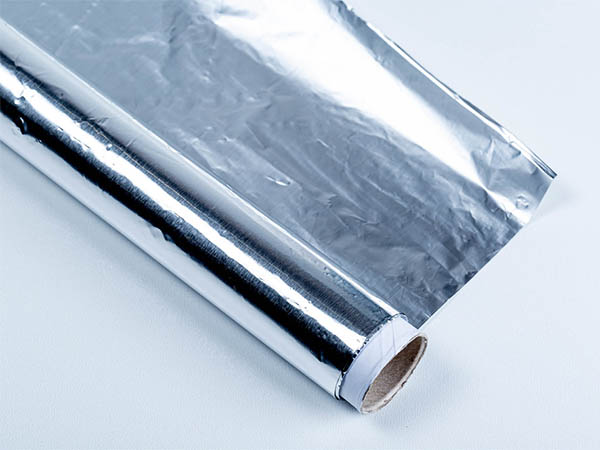
Aluminum foil is a thin, flexible metal sheet known for its ability to retain and reflect heat. It is a versatile kitchen tool used for cooking, grilling, roasting, and food storage.
When to Use Aluminum Foil
Grilling and Barbecuing
Aluminum foil is excellent for grilling foods that may fall through the grates or require extra protection.
Common uses include:
Cooking vegetables
Grilling fish
Creating foil packets
Protecting delicate ingredients
Foil helps keep food contained while allowing flavors to develop during cooking.
Roasting Meats and Poultry
When roasting larger cuts of meat, foil can help retain moisture and prevent excessive browning.
Covering dishes with foil during part of the cooking process can help:
Keep meats juicy
Control browning
Maintain consistent cooking
Many recipes recommend removing the foil near the end of cooking to allow the surface to brown.
Storing Leftovers
Aluminum foil is convenient for covering dishes and wrapping leftovers.
It helps:
Protect food from air exposure
Maintain freshness
Prevent odors from spreading in the refrigerator
For longer storage, airtight containers may provide better protection, especially for foods that need to maintain texture.
Freezing Food
Heavy-duty aluminum foil can be useful for freezer storage because it helps protect foods from moisture loss and freezer burn.
For best results, wrap foods tightly and label packages with the date before freezing.
Reflecting Heat During Cooking
Because aluminum foil reflects heat, it can be used strategically in cooking situations where you want to control browning.
For example, foil can help prevent certain areas of food from becoming too dark while the rest continues cooking.
Important Differences Between Parchment Paper and Aluminum Foil
While both products are useful, they are not always interchangeable.
Choose parchment paper when you need:
A non-stick surface
Easy release of baked goods
Cleaner baking sheets
A moisture-friendly cooking method
Choose aluminum foil when you need:
Heat retention
Wrapping and covering food
Grilling support
Protection during roasting or freezing
Also, parchment paper is generally not designed for direct high-heat applications like broiling or grilling, while aluminum foil is better suited for those situations.
Can You Use Them Together?
In some recipes, parchment paper and aluminum foil can work together.
For example:
Parchment paper can prevent delicate foods from sticking.
Aluminum foil can provide additional heat protection or help seal moisture.
Using each material for its intended purpose can improve cooking results and reduce frustration in the kitchen.
Both parchment paper and aluminum foil are valuable kitchen essentials, but they serve different purposes. Parchment paper is the better choice for baking, preventing sticking, and simplifying cleanup, while aluminum foil excels at grilling, roasting, wrapping, and heat management.
By understanding the strengths of each material, you can choose the right option for every recipe and make your cooking and baking experiences easier, cleaner, and more successful.