Exercises to Improve Posture and Support a Healthier, Pain-Free Body
- By the dedicated team of editors and writers at Newsletter Station.
Good posture is about more than standing up straight—it plays a vital role in overall health, mobility, and confidence. With today’s sedentary lifestyles and extended hours spent working on computers or mobile devices, poor posture has become increasingly common. Slouched shoulders, forward head posture, and lower back strain can lead to discomfort, fatigue, and even chronic pain over time.
The good news is that posture can be improved with consistent effort, awareness, and targeted exercises. Below are effective posture-improving exercises designed to strengthen supporting muscles, increase flexibility, and reduce strain on your joints and spine.
Wall Angels
Wall angels are an excellent exercise for opening the chest and improving shoulder mobility—two key components of good posture.
Stand with your back against a wall, feet about six inches away. Raise your arms to shoulder height, elbows bent at 90 degrees, with forearms and hands touching the wall. Slowly slide your arms upward while keeping contact with the wall, then return to the starting position. Perform 10–15 controlled repetitions.
Plank Variations
Planks strengthen the core muscles that stabilize your spine and support upright posture. A strong core helps reduce lower back strain and improve balance.
Incorporate standard, side, or reverse planks into your routine. Hold each plank for 20–40 seconds, gradually increasing duration as your strength improves.
Cat-Cow Stretch
This gentle yoga-inspired movement improves spinal flexibility and relieves tension in the neck and back.
Begin on hands and knees, wrists under shoulders, and knees under hips. Inhale as you arch your back and lift your head (cow), then exhale as you round your spine and tuck your chin (cat). Repeat for 10–15 slow repetitions.
Thoracic Extension Exercises
Limited mobility in the upper spine often contributes to rounded shoulders and a hunched posture.
Using a foam roller or rolled towel placed under your upper back, gently extend your spine over it while supporting your head and neck. Pause briefly at the top, then return to neutral. Repeat for 10–12 repetitions.
Resistance Band Pull-Aparts
This exercise targets the upper back and rear shoulder muscles, helping counteract forward shoulder posture.
Hold a resistance band at chest height with arms extended. Pull the band apart while squeezing your scapulae together, then slowly return it. Aim for 15–20 repetitions with controlled movement.
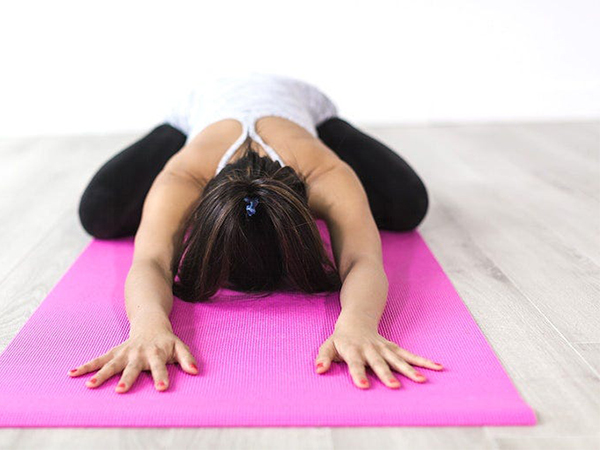
Child’s Pose
Child’s Pose stretches the spine, shoulders, and hips while encouraging relaxation and body awareness.
From hands and knees, sit back onto your heels, extend your arms forward, and lower your chest toward the floor. Hold for 30–60 seconds while breathing deeply.
Improving posture takes consistency and a well-rounded approach. By incorporating these exercises into your daily or weekly routine, you can strengthen posture-supporting muscles, improve flexibility, and reduce discomfort caused by prolonged sitting or poor alignment.
In addition to exercise, staying mindful of your posture throughout the day—especially while working or using digital devices—is essential. With patience and commitment, better posture can lead to lasting improvements in comfort, confidence, and overall well-being.