How a Single-Vehicle Collision Affects Your Auto Insurance: What Drivers Need to Know
- By the dedicated team of editors and writers at Newsletter Station.
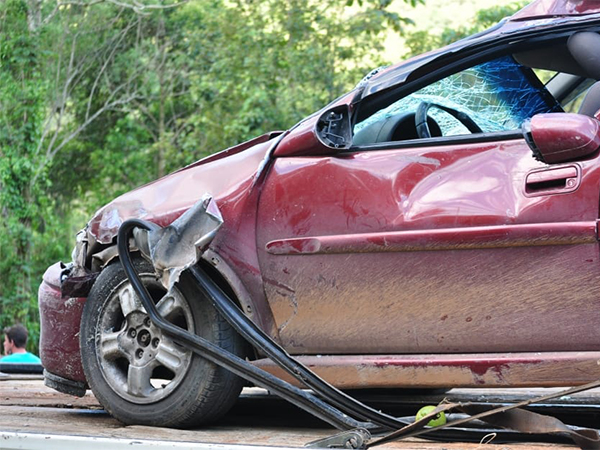
Accidents can happen to even the most careful drivers, and single-vehicle collisions are more common than many realize. Whether it’s hitting a guardrail, a parked object, or sliding off the road due to weather conditions, these incidents can carry significant insurance implications.
Understanding how a single-vehicle accident impacts your policy can help you make informed decisions, manage costs, and protect your driving record.
Potential Increase in Insurance Premiums
One of the most immediate consequences of a single-vehicle collision is a potential rise in your insurance premiums. Since insurers often consider these accidents “at-fault,” they may view you as a higher-risk driver.
As a result, you could see a rate increase at renewal—or sooner in some cases—depending on your provider and claims history.
Loss of Safe Driver Discounts
If you’ve been benefiting from safe driver or accident-free discounts, a single-vehicle collision could cause you to lose those savings.
Many insurers reward consistent, claim-free driving, so even one incident may temporarily remove these incentives, increasing your overall premium.
Impact on No-Claim Bonuses
A no-claim bonus (NCB) or claims-free discount can significantly reduce your insurance costs over time. Filing a claim after a single-vehicle accident may reset or reduce this benefit.
Some insurers now offer accident forgiveness programs, which may help preserve your discount after your first incident—worth asking about when reviewing your policy.
Coverage Types Matter More Than Ever
Whether your damages are covered depends on your policy:
Collision coverage typically pays for damage to your vehicle, regardless of fault
Liability coverage does not cover your own vehicle in single-vehicle accidents
Comprehensive coverage may apply in non-collision scenarios (like falling objects or weather damage)
Reviewing your coverage ahead of time ensures you’re not caught off guard when filing a claim.
Policy Exclusions and Limitations
Not all situations are covered. For example, your claim may be denied if the accident involved:
Driving under the influence
Intentional damage
Unauthorized drivers
Understanding your policy’s exclusions and fine print is essential to avoid surprises during the claims process.
Deductibles and Out-of-Pocket Costs
If you file a claim, you’ll be responsible for paying your deductible before insurance coverage applies.
Higher deductibles can lower your monthly premium, but they also mean more out-of-pocket expenses after an accident. It’s important to choose a deductible you can comfortably afford if needed.
The Claims Process: What to Expect
While single-vehicle claims may be simpler without another driver involved, proper documentation is still critical.
Be prepared to:
Report the accident promptly
Provide photos and details of the scene
Submit any supporting documentation requested by your insurer
Accurate and timely reporting can help avoid delays or disputes.
Long-Term Impact on Your Driving Record
A single-vehicle collision typically appears on your driving record and may remain there for several years, depending on your state and insurer.
This can affect future insurance quotes if you switch providers, as insurers will assess your risk based on past incidents.
Future Coverage and Shopping for Insurance
If you decide to change insurance companies after an accident, you may receive higher quotes or fewer coverage options. However, rates can improve over time with safe driving and a clean record.
It’s still a good idea to compare policies annually, as pricing models and discounts vary widely between insurers.
Tips to Minimize Insurance Impact
To reduce the financial effects of a single-vehicle collision:
Maintain safe driving habits and avoid distractions
Consider accident forgiveness options
Bundle policies for potential discounts
Review your coverage regularly to ensure it fits your needs
Proactive planning can help offset potential rate increases and keep your coverage affordable.
A single-vehicle collision may seem less serious than a multi-car accident, but its impact on your auto insurance can be substantial. From increased premiums and lost discounts to changes in coverage eligibility, understanding the consequences is key.
By staying informed, reviewing your policy regularly, and practicing safe driving, you can protect both your finances and your long-term insurance outlook.