How to Paint Baseboards Like a Pro: Tips for a Clean, Polished Finish
- By the dedicated team of editors and writers at Newsletter Station.
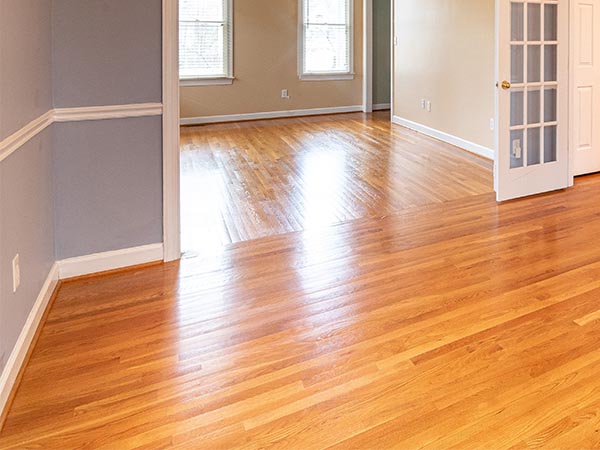
When refreshing your home’s interior, most people focus on wall color—but baseboards play an equally important role in achieving a clean, finished look. These often-overlooked details frame your walls and flooring, helping tie the entire room together. Professionally painted baseboards can instantly elevate the appearance of any space, making it feel more polished and intentional.
With modern interior design trends emphasizing crisp lines and high-contrast finishes, properly painted trim is more important than ever. Here’s an updated guide to achieving flawless baseboard painting results.
Properly Prepare the Surface
Preparation is the foundation of a professional-quality finish. Skipping this step often leads to uneven paint adhesion and visible imperfections.
Start by:
Cleaning baseboards with a damp cloth to remove dust and grime
Filling holes, dents, or gaps with wood filler
Sanding the surface lightly for smoothness and better paint grip
Wiping away sanding dust before painting
Well-prepared surfaces ensure smoother application and longer-lasting results.
Protect Walls and Flooring
Painting trim can easily lead to accidental splashes or uneven edges, so proper protection is essential.
Best practices include:
Using painter’s tape for sharp, clean edges along walls
Laying drop cloths or protective sheets over flooring
Removing nearby furniture or covering it securely
Taking time to protect your space helps you achieve a cleaner, more professional finish.
Choose the Right Paint and Finish
Selecting the correct paint type is key to durability and ease of maintenance. Baseboards endure frequent contact, so they require a tough finish.
Recommended options:
Semi-gloss paint: Durable and easy to clean
High-gloss paint: Highly reflective and modern-looking
Water-based enamel paints: Low odor and faster drying
Today’s low-VOC paints are also a popular choice for healthier indoor air quality.
Use High-Quality Painting Tools
The right tools make a significant difference in achieving smooth, precise results.
Recommended tools:
Angled trim brush for edges and corners
Small foam roller for flat surfaces
Paint tray with liner for easy cleanup
Avoid low-quality brushes, which can leave streaks or bristle marks.
Apply Thin, Even Coats
One of the most common mistakes in trim painting is applying too much paint at once. Thin layers deliver a smoother, more durable finish.
Steps for best results:
Cut in edges carefully with an angled brush
Apply paint in long, even strokes
Avoid overloading the brush or roller
Allow each coat to dry fully before applying the next
Two light coats are usually better than one heavy coat.
Allow Proper Drying and Curing Time
Drying time is just as important as application technique. Rushing this step can lead to smudges or peeling.
Tips:
Follow manufacturer-recommended drying times
Keep the area well-ventilated
Wait before removing painter’s tape to avoid lifting paint
Full curing may take several days, even if the surface feels dry sooner.
Painting baseboards is a small detail that makes a big impact. With proper preparation, quality materials, and careful application, you can achieve a crisp, professional finish that enhances your entire space.
Whether you’re updating a single room or refreshing your whole home, well-painted trim adds value, style, and a polished finishing touch.