- By the dedicated team of editors and writers at Newsletter Station.
If you've decided to give your living space a fresh new look, removing old wallpaper is an important first step. While peeling away layers of stubborn wallpaper can seem daunting, the right tools, preparation, and patience can make the process much easier.
Whether you're preparing your walls for a fresh coat of paint or a completely new design, proper wallpaper removal helps create a smooth, clean surface for your next project. In this guide, we'll walk you through removing old wallpaper safely and effectively.
Step 1: Gather Your Supplies
Before starting your wallpaper removal project, gather everything you'll need. Having your supplies ready can save time and make the job much less frustrating.
Wallpaper scorer: Creates small perforations that allow water or wallpaper remover to reach the adhesive.
Wallpaper removal solution: Commercial wallpaper removers can help loosen stubborn adhesive.
Drop cloths or plastic sheeting: Protect floors and furniture from water, adhesive, and debris.
Sturdy stepladder: Provides safe access to higher sections of the wall.
Plastic spray bottle: Useful for applying removal solution in manageable sections.
Wide putty knife or wallpaper scraper: Helps lift softened wallpaper without unnecessarily damaging the wall.
Sponge or scrubbing pad: Removes leftover adhesive.
Warm water: Useful for rinsing and cleaning the walls.
Work gloves: Protect your hands from prolonged exposure to water and cleaning solutions.
Step 2: Prepare the Room
Proper preparation can make wallpaper removal cleaner and safer. Move furniture and wall decorations out of the work area whenever possible. Cover floors and remaining furniture with drop cloths or plastic sheeting.
Remove electrical outlet and switch covers where appropriate, and turn off power to the circuits you're working around before removing covers or using liquids near electrical components. Avoid spraying directly around outlets and switches.
Open windows or doors when possible to improve ventilation, particularly when using a commercial wallpaper removal product.
Step 3: Test a Small Area
Before treating the entire wall, test a small, inconspicuous section. This helps you determine what type of wallpaper you're dealing with and how easily it will release.
Some wallpaper may peel away in large sheets with little moisture, while other materials require scoring and soaking. Testing first also helps you avoid accidentally damaging drywall, plaster, or the underlying paint.
Step 4: Score the Wallpaper
If the wallpaper doesn't peel away easily, use a wallpaper scoring tool to create small perforations across the surface. These openings allow the removal solution to penetrate the wallpaper and reach the adhesive underneath.
Use enough pressure to perforate the wallpaper without aggressively gouging the wall. If you're working with drywall, take extra care because damaged drywall paper can create additional repair work.
Step 5: Apply the Wallpaper Removal Solution
Apply a wallpaper removal solution according to the manufacturer's directions. Work in small, manageable sections rather than soaking the entire room at once.
Give the solution enough time to soften the adhesive. The recommended soaking time will vary depending on the product, wallpaper type, and area.
For some wallpapers, warm water may be sufficient. Older or particularly stubborn wallpaper may require multiple applications.
Step 6: Start Peeling
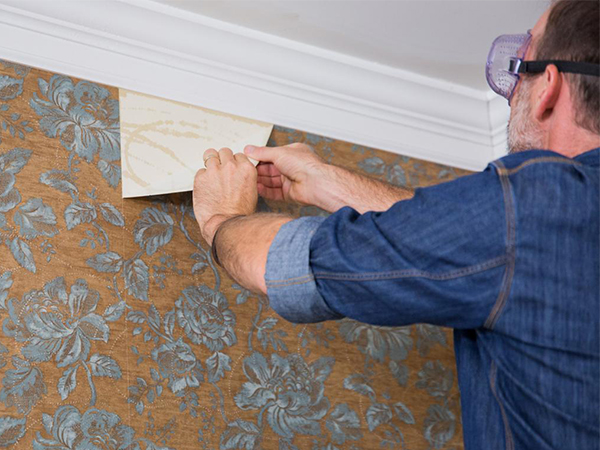
Once the adhesive has softened, use your fingers or a scraper to lift a corner or seam gently. Slowly pull the wallpaper away from the wall.
Keep your scraper relatively flat against the wall rather than digging it into the surface. If the paper resists, don't force it. Apply additional removal solution, allow more time for it to penetrate, and try again.
Working slowly can help prevent unnecessary damage to the wall underneath.
Step 7: Remove Residual Adhesive
After the wallpaper is gone, you may still find a layer of adhesive covering the wall. Don't skip this step. Paint and other wall treatments may not adhere properly over leftover wallpaper paste.
Use a damp sponge or scrubbing pad with warm water to loosen the remaining adhesive. Work in sections and change the water frequently so you're not simply spreading paste around the wall.
For stubborn residue, use a wallpaper adhesive remover according to its label instructions.
Step 8: Rinse and Dry the Walls
Once the adhesive has been removed, wipe the walls with clean water to remove any remaining residue. Avoid saturating drywall, as excessive moisture can cause damage.
Allow the walls to dry completely before sanding, repairing, priming, or painting. Depending on the amount of moisture used and the room's ventilation, drying may take several hours or longer.
Step 9: Inspect and Repair the Walls
Once the walls are dry, inspect them carefully. Removing old wallpaper can reveal nail holes, small gouges, damaged drywall paper, or other imperfections.
Fill holes and minor imperfections with an appropriate wall-repair compound, then sand the repaired areas smooth. If the wall surface is significantly damaged or uneven, additional preparation may be necessary before painting.
If you're painting, applying an appropriate primer can help create a consistent surface and prevent remaining stains or discoloration from showing through.
When to Consider Professional Wallpaper Removal
DIY wallpaper removal is manageable for many homeowners, but some projects can be considerably more challenging. Consider professional help if you're dealing with multiple wallpaper layers, delicate plaster, extensive wall damage, or wallpaper that was installed directly over unfinished drywall.
Older homes can also present additional challenges, particularly when you're unsure what materials or coatings were used beneath the wallpaper. Taking the time to assess the wall before beginning can prevent costly repairs later.
Removing old wallpaper may require time and patience, but careful preparation can make the process much more manageable. Gather the right tools, test a small area, work in sections, and give the adhesive plenty of time to soften before scraping.
Most importantly, avoid rushing. Taking a gentle approach can protect the wall underneath and reduce the amount of repair work you'll need to do afterward. Once the wallpaper and adhesive are gone and the walls are properly prepared, you'll have a clean canvas ready for fresh paint or your next decorating project.