Jul 5, 2023 - Orchid Care Tips to Help This Fussy Flower Thrive
Jun 28, 2023 - Perennials That Bloom the Longest
Jun 21, 2023 - The Best Way to Prune Roses
|
Orchid Care Tips to Help This Fussy Flower Thrive
|
Jul 5, 2023 - By the dedicated team of editors and writers at Newsletter Station.
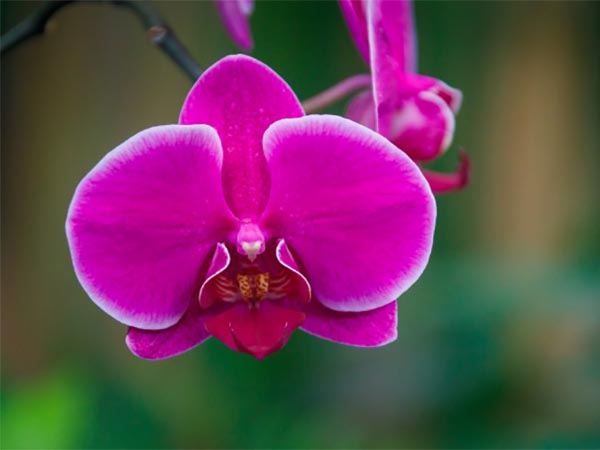
Orchids, known for their exquisite beauty and elegance, are often considered fussy and challenging to care for. However, anyone can nurture these stunning flowers with the proper knowledge and approach. In this blog, we will explore essential orchid care tips to help you provide the optimal conditions for your orchids to thrive.
- Light and Temperature:
Orchids require the right balance of light and temperature to grow and bloom. They generally thrive in bright, indirect light, so placing them near a north or east-facing window is ideal. Avoid exposing orchids to direct sunlight, as it can burn their leaves. Furthermore, maintaining a temperature range between 60°F to 80°F (15°C to 27°C) during the day and a slightly cooler temperature at night is crucial for their well-being.
- Watering:
One of the most common mistakes in orchid care is overwatering. Orchids prefer a specific watering routine. Rather than sticking to a fixed schedule, it's best to water orchids when their potting mix is almost dry. Use room-temperature water and pour it until it drains out from the bottom of the pot. This ensures that the roots receive adequate moisture without being waterlogged. Remember, orchids are more tolerant of underwatering than overwatering.
- Humidity and Air Circulation:
Orchids are native to tropical regions, where they thrive in high humidity. You can increase humidity levels around your orchids to recreate their natural environment. Placing a water tray near the plants or using a humidifier can be beneficial, especially in dry climates. Additionally, proper air circulation is crucial for preventing fungal and bacterial infections. Avoid stagnant air by using fans or opening windows periodically.
- Potting Mix and Repotting:
Using the right potting mix is essential for orchid growth. Orchids prefer a loose, well-draining combination that allows air to reach their roots. A popular option is a mix of bark, sphagnum moss, and perlite. When it comes to repotting, orchids should be repotted every one to two years or when the potting mix starts to break down. Repotting allows you to refresh the potting mix, inspect the roots, and provide a more suitable environment for growth.
- Fertilization:
Orchids have unique nutritional requirements. They benefit from a balanced orchid fertilizer that contains nitrogen (N), phosphorus (P), and potassium (K), along with trace elements. Fertilize your orchids during their active growth phase, typically from spring to fall, and reduce or stop fertilization during the dormant period. Follow the instructions on the fertilizer package, as overfertilizing can harm the plants.
- Pruning and Maintenance:
Regular pruning is essential to maintain the health and appearance of your orchids. Remove any yellowed or withered leaves, as they can indicate a problem. If the flower spike has finished blooming, you can cut it back to encourage new growth. Watch for pests such as aphids, mealybugs, and scale insects. Early detection and treatment will help prevent infestations from spreading.
While orchids may seem fussy initially, they can be rewarding and captivating plants to care for once you understand their needs. By providing the right balance of light, temperature, watering, humidity, and air circulation, you can create an environment that allows these magnificent flowers to thrive.
Remember to choose the appropriate potting mix, fertilize appropriately, and perform regular maintenance to keep your orchids healthy and beautiful. Patience and attention to detail will reward you with stunning blooms and a sense of fulfillment in successfully nurturing these exquisite flowers.
|
|