Jul 5, 2023 - Orchid Care Tips to Help This Fussy Flower Thrive
Jun 28, 2023 - Perennials That Bloom the Longest
Jun 21, 2023 - The Best Way to Prune Roses
|
The Best Way to Prune Roses: A Guide to Nurturing Beautiful Blooms
|
Jun 21, 2023 - By the dedicated team of editors and writers at Newsletter Station.
Roses are beloved for their enchanting beauty and captivating fragrance. Proper pruning is essential to ensure the health and vitality of these stunning flowers. Pruning roses promote robust growth, helps maintain their shape, and encourages abundant blooming.
This blog post will delve into the best practices and techniques for pruning roses, equipping you with the knowledge and confidence to care for your roses like a seasoned gardener.
-
Timing is Key
Pruning roses at the right time is crucial for their overall health and flowering performance. The ideal time for pruning typically depends on the type of rose you have. Spring is the recommended season for pruning, just before new growth begins. However, different rose varieties may require slightly different timing. Hybrid teas and grandifloras, for example, benefit from early spring pruning, while climbing roses are usually pruned after their first flush of flowers in summer.
-
Gather Your Tools
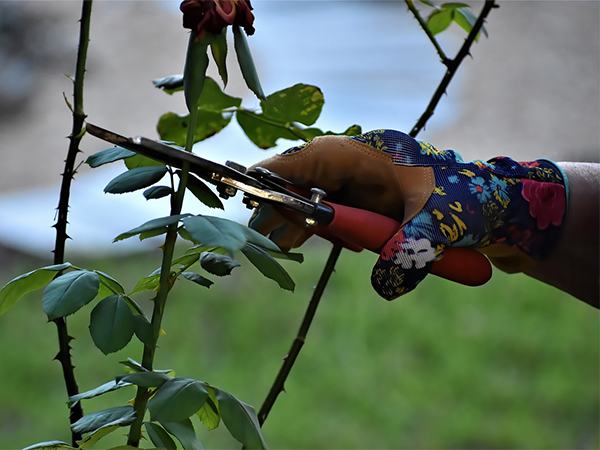
Before you start pruning, ensure you have the necessary tools. These typically include a pair of sharp, clean pruning shears, long-handled loppers for thicker canes, gloves to protect your hands, and disinfectant to prevent the spread of diseases. Maintaining clean tools throughout the process is crucial to prevent the transmission of pathogens between plants.
-
Assessing the Rose Bush
Begin by carefully examining your rose bush to identify damaged, diseased, or dead wood. Removing these elements will promote healthier growth and prevent potential infections from spreading. Cut back canes that appear black, shriveled, or discolored, making clean angled cuts just above an outward-facing bud.
-
Shaping and Thinning
To maintain an attractive shape and improve airflow within the rose bush, it's essential to remove sure canes selectively. Start by removing weak or thin bats and any that cross each other or grow towards the center of the bush. Aim to retain sturdy, healthy canes that are evenly spaced around the center of the plant, encouraging an open and balanced form.
-
Pruning Techniques for Different Rose
Different types of roses require slightly different pruning techniques to achieve optimal results. Here are some guidelines for popular rose varieties:
Hybrid Teas and Grandifloras: These roses often produce large, single flowers on long stems. To encourage vigorous growth and abundant blooms, prune them back to about half their height, making clean cuts just above an outward-facing bud.
Floribundas and Polyanthas: These roses bear clusters of flowers on each stem. Prune them to maintain an open, vase-like shape, cutting back approximately one-third of their height.
Climbing Roses: These roses require a different approach. Remove any dead or damaged wood and selectively prune lateral canes to maintain a neat appearance. Be careful not to prune the main canes that provide structure and support.
-
Aftercare and Maintenance
Once you have completed the pruning process, providing proper aftercare to support your roses' growth is essential. Ensure they receive adequate sunlight, water, and nutrients. Mulching around the base of the plants can help retain moisture, suppress weeds, and maintain an even soil temperature. Regularly monitor your roses for signs of disease or pests, and promptly address any issues.
Pruning roses is a rewarding and essential task for any rose gardener. By following the best practices outlined in this guide, you can promote healthy growth, encourage prolific flowering, and maintain your rose bushes' overall health and beauty.
Remember to approach pruning with confidence, take your time, and enjoy the process of nurturing your roses to reach their full potential.
|
|