Common Types of Stomach Pain and How to Treat Them
- By the dedicated team of editors and writers at Newsletter Station.
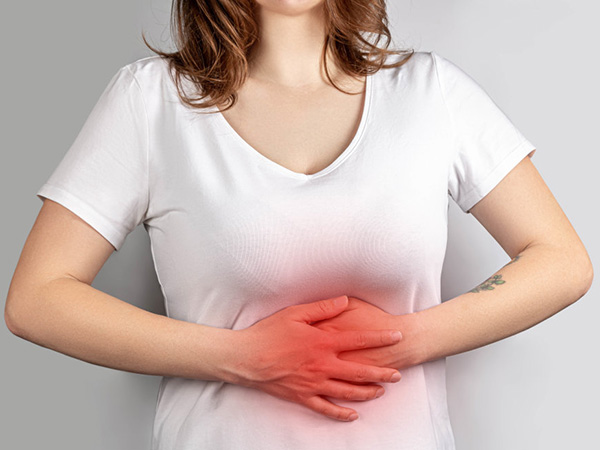
Stomach pain is a prevalent complaint ranging from mild discomfort to excruciating agony. Various factors, including dietary choices, infections, gastrointestinal disorders, and stress, can cause it.
Understanding the different types of stomach pain and their potential causes is essential for effective treatment. This blog will explore common types of stomach pain and discuss their treatment options.
Gas and Bloating
Gas and bloating are among the most common causes of stomach discomfort. They often occur due to consuming gas-producing foods, swallowing air while eating or drinking, or an underlying digestive issue. To treat gas and bloating, consider the following:
a. Dietary changes: Identify trigger foods, such as beans, carbonated beverages, and cruciferous vegetables, and limit their consumption.
b. Over-the-counter remedies: Products containing simethicone can help break down gas bubbles and alleviate bloating.
c. Probiotics: Incorporate probiotic-rich foods or supplements to maintain a healthy gut flora.
d. Slow down when eating: Chewing and slowly eating food can reduce air intake.
Acid Reflux or Heartburn
Acid reflux, also known as heartburn, occurs when stomach acid flows back into the esophagus, causing a burning sensation in the chest. This condition is often triggered by certain foods, obesity, or a weakened lower esophageal sphincter (LES). To treat acid reflux:
a. Lifestyle changes: Elevate the head of your bed, maintain a healthy weight, and avoid lying down immediately after eating.
b. Dietary modifications: Avoid spicy, acidic, and fatty foods, as well as caffeine and alcohol.
c. Antacids and medications: Over-the-counter antacids or prescription medications can provide relief from symptoms.
Gastritis
Gastritis is the inflammation of the stomach lining, typically caused by excessive alcohol consumption, prolonged use of non-steroidal anti-inflammatory drugs (NSAIDs), stress, or bacterial infections such as H. pylori. To treat gastritis:
a. Medications: Your doctor may prescribe proton pump inhibitors (PPIs) or antibiotics for H. pylori infections.
b. Dietary changes: Consume a bland diet with easily digestible foods, avoiding spicy and acidic items.
c. Stress management: Reducing stress through relaxation techniques can help alleviate symptoms of stress.
Irritable Bowel Syndrome (IBS)
Irritable Bowel Syndrome is a chronic gastrointestinal disorder characterized by abdominal pain, bloating, and changes in bowel habits. While IBS doesn't have a cure, managing it is possible:
a. Dietary changes: Experiment with a low-FODMAP diet, which reduces fermentable carbohydrates that can trigger symptoms.
b. Fiber intake: Gradually increase your intake of soluble fiber to help regulate bowel movements.
c. Medications: Consult a healthcare professional for prescription medications that can alleviate specific IBS symptoms.
Gastroenteritis
Gastroenteritis, commonly referred to as stomach flu, is an inflammation of the stomach and intestines caused by viral or bacterial infections. To treat gastroenteritis:
a. Hydration: Drink clear fluids, such as electrolyte solutions or oral rehydration solutions, to prevent dehydration.
b. Rest: Give your stomach time to heal by avoiding solid foods until symptoms subside.
c. Antibiotics: A healthcare professional may prescribe antibiotics if bacteria are the cause of the infection.
Various factors can cause stomach pain, and understanding the type of pain and its underlying cause is crucial for effective treatment. While mild cases of stomach discomfort can often be managed with lifestyle modifications and over-the-counter remedies, it's essential to consult a healthcare professional if your symptoms persist or worsen.
Remember that self-diagnosis is not a substitute for professional medical advice, so seek help to ensure your stomach pain is adequately addressed and treated.