- By the dedicated team of editors and writers at Newsletter Station.
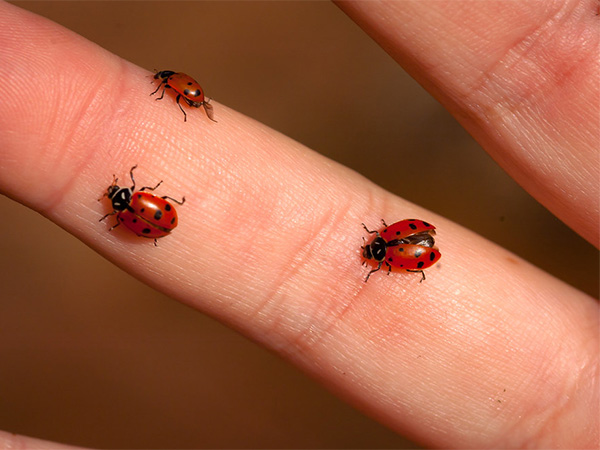
Ladybugs, with their vibrant colors and cute appearance, are often seen as harmless and beneficial insects. They are well-known for controlling aphid populations, making them a gardener's friend. However, there are times when these tiny beetles can become a nuisance, especially when they invade your home in large numbers.
This blog will explore some helpful tips for dealing with a ladybug infestation.
Understanding Ladybugs
Before we dive into the tips, let's take a moment to understand ladybugs better. Ladybugs, or ladybirds or lady beetles, are a diverse group of beetles belonging to the family Coccinellidae. There are over 5,000 species of ladybugs worldwide, with various color patterns and markings. While many ladybug species are indeed beneficial predators, some, like the Asian lady beetle (Harmonia axyridis), can become pests when they overwinter inside homes in search of warmth and shelter.
Tips for Dealing with a Ladybug Infestation
Prevention is key:
The best way to deal with a ladybug infestation is to prevent it from happening in the first place. Seal any cracks or gaps in your home's exterior, including doors, windows, and vents. Ladybugs can slip through tiny openings, so thorough sealing is essential.
Screen vents and openings:
Use fine mesh screens on vents and openings in your home, such as chimneys and attic vents. This will prevent ladybugs from accessing your living spaces while allowing proper ventilation.
Properly maintain outdoor lighting:
Ladybugs are attracted to light, so consider using less attractive yellow or sodium vapor lights around your home. If ladybugs are already a problem, you might want to turn your outdoor lights off during the evening.
Vacuum ladybugs:
If ladybugs have infiltrated your home, gently collect them using a vacuum cleaner. Use a soft attachment and handle them carefully, as ladybugs can release a foul-smelling substance when stressed.
Release ladybugs outdoors:
Rather than killing ladybugs, consider capturing them and releasing them outdoors. This humane way to deal with an infestation allows them to continue their beneficial work in your garden.
Use ladybug traps:
You can purchase ladybug traps or create your own using a light source and a container filled with soapy water. Ladybugs will be attracted to the light and fall into the soapy water, preventing them from multiplying indoors.
Remove food sources:
Ladybugs, such as aphids and scale insects, are often drawn to the same locations as their prey. Addressing these pest problems in your garden can help reduce ladybug infestations.
Professional pest control:
If the ladybug infestation overwhelms you and none of the DIY methods work, consider contacting a pest control professional. They can assess the situation and provide effective solutions.
Ladybugs may be charming insects with ecological benefits, but they can quickly become a nuisance when they invade your home. Following these tips for dealing with a ladybug infestation, you can effectively manage their presence and maintain a pest-free living environment.
Remember that prevention is critical, so take proactive steps to seal your home and reduce attractants to keep ladybugs at bay.