- By the dedicated team of editors and writers at Newsletter Station.
Your home's foundation is like its hidden backbone, supporting everything above it. A solid foundation is essential for your home's structural integrity and longevity. However, over time, various factors can contribute to foundation problems. Recognizing the signs of foundation issues early can save you from costly repairs.
This blog will discuss some common signs that your home may have foundation problems and why addressing them promptly is crucial.
Cracks in the Walls
One of the most noticeable signs of foundation problems is the appearance of cracks in your interior or exterior walls. These cracks may start small but can grow over time. Look for cracks over a quarter of an inch, especially diagonal, horizontal, or near windows and doors. Vertical cracks are less concerning, but a professional should examine any cracks in your walls.
Uneven or Sloping Floors
Walking through your home should feel smooth and level. If you notice that your floors are sloping or uneven, it could be a sign of foundation settlement. Use a level to check different areas of your home's flooring, and if you find significant variations, it's time to investigate further.
Sticking Doors and Windows
Foundation issues can cause your doors and windows to stick or become difficult to open and close. This happens when the foundation shifts, altering the alignment of door and window frames. If you suddenly find yourself wrestling with doors and windows that used to work smoothly, it's a red flag.
Gaps Around Doors and Windows
Another sign related to doors and windows is the appearance of gaps between the frames and the walls. These gaps can develop as the foundation settles unevenly. If you notice daylight coming through these openings or feel drafts, it's time to inspect your foundation.
Bowing or Leaning Walls
Foundation problems can also manifest as walls that appear to be bowing or leaning. This can be particularly dangerous, as it indicates a significant structural issue. Consult a professional immediately if you see walls that seem tilted or bulging.
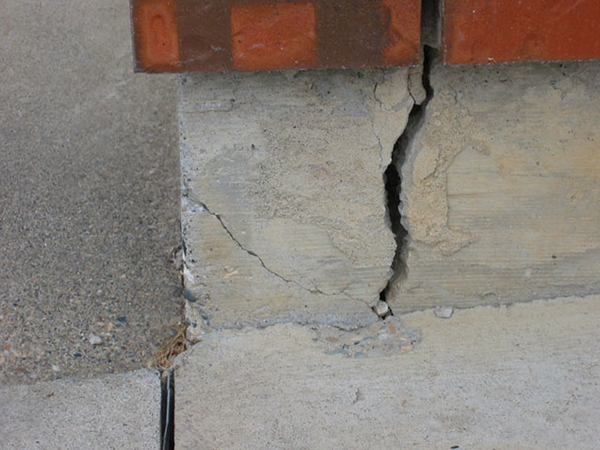
Cracks in the Foundation
Inspect the foundation itself for cracks. Small hairline cracks may not be a major concern, but larger or widening cracks are problematic. These can allow water to seep into your basement or crawl space, leading to further damage.
Sinking or Settling Exterior Concrete
If you have concrete walkways, patios, or driveways around your home, look for signs of settling or sinking. Uneven surfaces can be a result of foundation problems.
Why It's Important to Address Foundation Problems
Ignoring foundation problems can lead to costly consequences. If left unattended, these issues can worsen over time, potentially compromising the structural integrity of your home. Furthermore, foundation problems can affect your property's resale value, making it challenging to sell when the time comes.
Also, foundation problems can lead to moisture issues in your basement or crawl space, promoting mold growth and further structural damage. The sooner you address foundation problems, the less expensive and invasive the repairs will likely be.
Your home's foundation is critical to its overall stability, and any issues should not be taken lightly. If you notice any of the signs mentioned in this blog, it's essential to consult a professional foundation contractor or structural engineer for a thorough inspection.
Early detection and timely repairs can prevent costly and extensive foundation repairs, ensuring your home's longevity and safety.